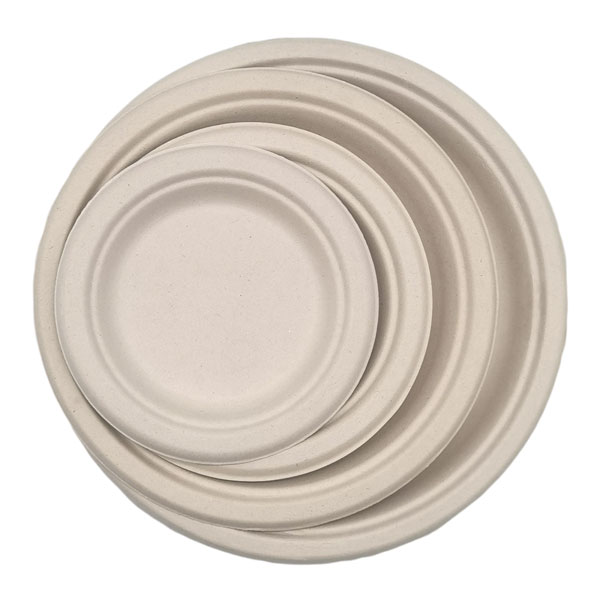
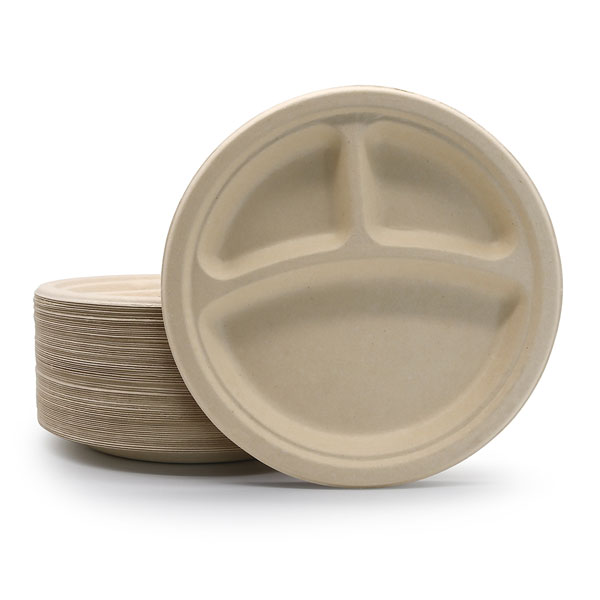
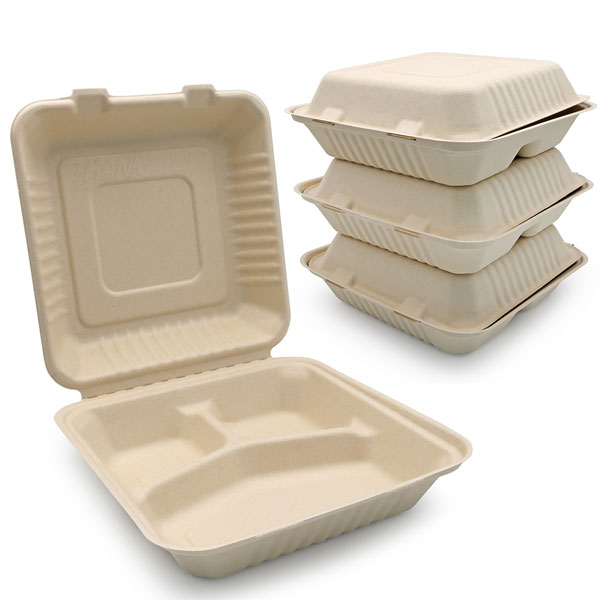
As businesses increasingly prioritize sustainability, many overlook the hidden cost benefits of eco-friendly packaging. For B2B clients in the food service industry, logistics damage can silently eat into profits, but a life cycle analysis reveals that sugarcane bagasse compostable plates slash damage rates by 45%. This isn't just about going green—it's about boosting your operational efficiency and reducing waste in ways that traditional packaging can't match.
In today's competitive market, B2B clients face mounting pressure to adopt sustainable practices without sacrificing cost-effectiveness. Compostable plates made from sugarcane bagasse offer a dual advantage: they align with environmental goals and address common pain points like high logistics costs and product spoilage. Unlike conventional plastics, which are prone to breakage and environmental backlash, these plates are durable, biodegradable, and designed to withstand the rigors of shipping and handling. By integrating compostable plates into your supply chain, you're not just reducing your carbon footprint—you're investing in a smarter, more resilient business model.
Many businesses assume that sustainable options come with a premium price tag, but the reality is quite the opposite. Sugarcane bagasse packaging, including compostable plates, delivers substantial cost savings by minimizing logistics damage. A recent life cycle analysis highlights a 45% reduction in damage rates compared to traditional materials. This translates to fewer returns, lower replacement costs, and enhanced customer satisfaction. For B2B clients, this means more predictable budgets and improved profit margins. Moreover, compostable plates are lightweight and stackable, reducing shipping weight and storage space, which further cuts down on transportation expenses.
Life cycle analysis provides a comprehensive view of a product's environmental and economic impact from cradle to grave. In the case of sugarcane bagasse compostable plates, studies show that their fibrous structure absorbs shocks better than brittle plastics, leading to fewer cracks and breaks during transit. This 45% drop in logistics damage isn't just a statistic—it's a game-changer for businesses dealing with fragile goods. By choosing compostable plates, you're opting for a material that naturally resists moisture and impact, ensuring your products arrive intact and ready for use.
B2B clients often struggle with supply chain inefficiencies, regulatory compliance, and rising customer expectations for sustainability. Compostable plates directly address these issues by offering a reliable, eco-friendly alternative that meets strict composting standards. For instance, in events or catering services, using sugarcane bagasse plates can reduce waste disposal costs and enhance brand reputation. The durability of these plates means fewer complaints and returns, while their compostability simplifies end-of-life management. It's a win-win solution that turns environmental responsibility into a competitive edge.
In conclusion, the hidden cost advantages of sugarcane bagasse compostable plates are too significant to ignore. With a 45% reduction in logistics damage rates, B2B clients can achieve both financial and environmental benefits. Embrace this sustainable shift today to streamline your operations and contribute to a greener planet.