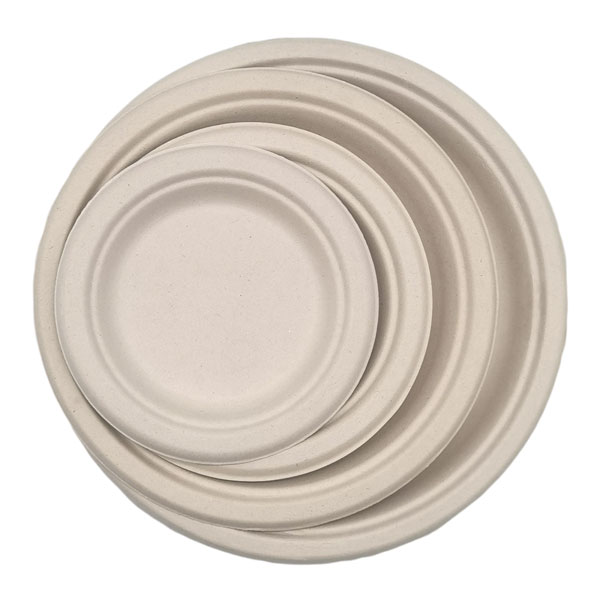
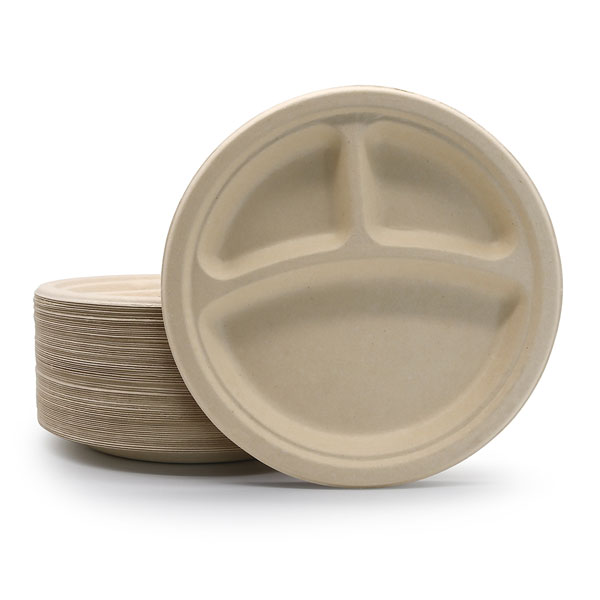
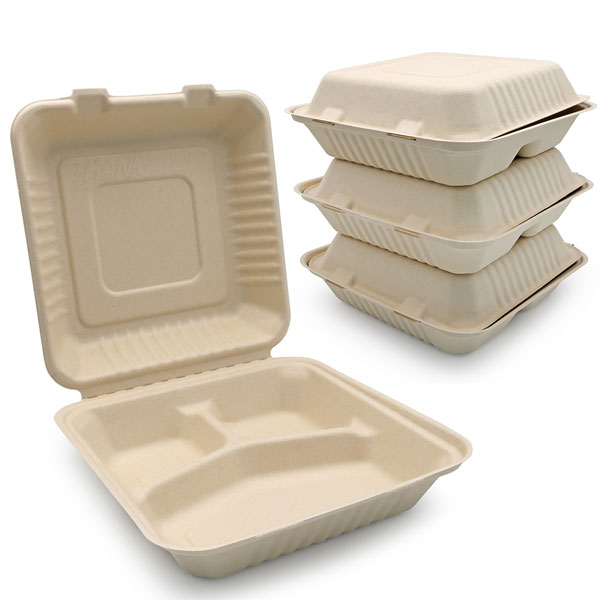
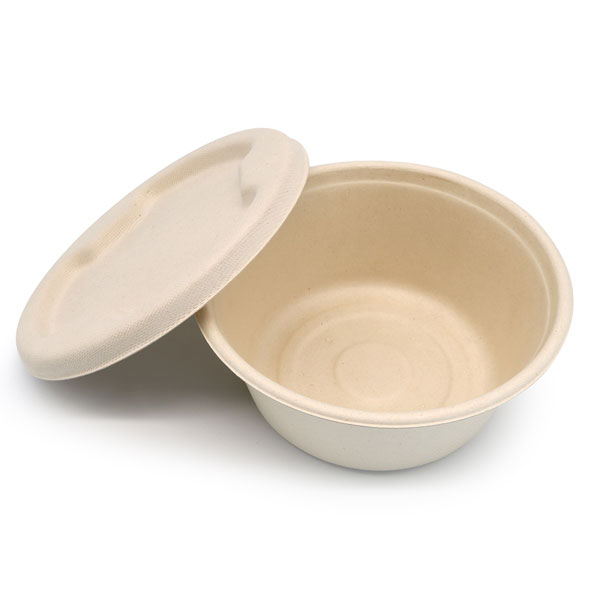
As global carbon tariffs accelerate across 67 countries, businesses are facing unprecedented pressure to adopt eco-friendly solutions. Carbon border adjustment mechanisms (CBAMs) are reshaping international trade, imposing fees on carbon-intensive imports to combat climate change. This regulatory shift is not just a compliance hurdle—it's a powerful driver for innovation, particularly in the packaging industry. In this article, we explore how these mechanisms are fueling a 300% growth in sugarcane bagasse packaging exports, with a focus on the rising demand for compostable plates. For B2B clients, this represents a golden opportunity to align with sustainability trends while enhancing brand reputation.
Carbon border adjustments are policies designed to tax goods based on their carbon footprint, ensuring that imports from countries with weaker environmental standards don't undermine local efforts to reduce emissions. For example, the European Union's CBAM targets sectors like steel and aluminum, but its influence extends to packaging materials. As more nations adopt similar measures, companies must pivot to low-carbon alternatives to avoid costly tariffs. This has sparked a surge in interest for sustainable options like compostable plates, which are made from renewable resources and emit minimal carbon during production.
The packaging sector is undergoing a radical transformation due to carbon tariffs. Traditional plastic and foam-based products are becoming less viable as businesses seek to minimize their carbon liabilities. Sugarcane bagasse, a byproduct of sugar processing, has emerged as a leading material for compostable plates. Not only is it biodegradable, but it also supports a circular economy by repurposing agricultural waste. With exports of sugarcane bagasse packaging projected to grow by 300%, compostable plates are at the forefront of this boom, offering a practical solution for restaurants, events, and retail chains aiming to meet new environmental standards.
Compostable plates provide a host of benefits that address key pain points for B2B clients. First, they decompose naturally, reducing landfill waste and pollution. Second, they align with consumer preferences for eco-friendly products, enhancing brand loyalty. Moreover, as carbon tariffs make conventional packaging more expensive, compostable plates offer a cost-effective alternative in the long run. Their durability and versatility make them ideal for custom applications, from corporate events to food delivery services. By investing in compostable plates now, businesses can future-proof their operations against regulatory changes while contributing to a healthier planet.
At our core, we specialize in providing tailored compostable plates that meet your unique needs. Whether you require branded designs for marketing campaigns or bulk orders for daily operations, our custom options ensure you stay ahead of the curve. With the global push for sustainability intensifying, now is the time to integrate compostable plates into your supply chain. Contact us today to explore how our solutions can help you navigate carbon tariffs and drive growth in an eco-conscious market.