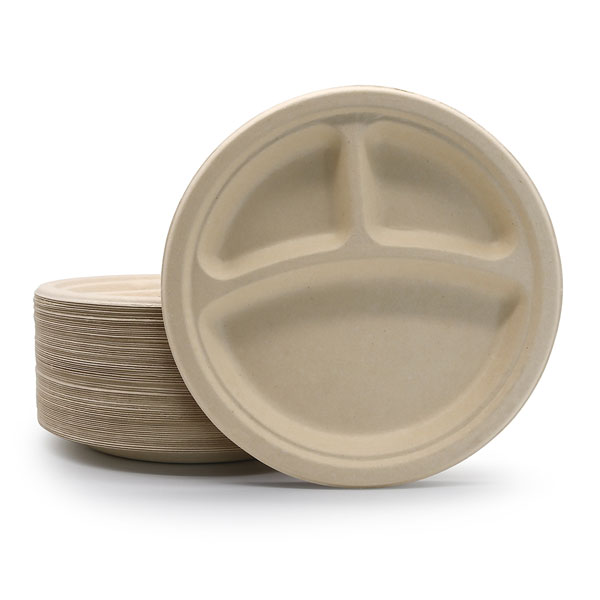
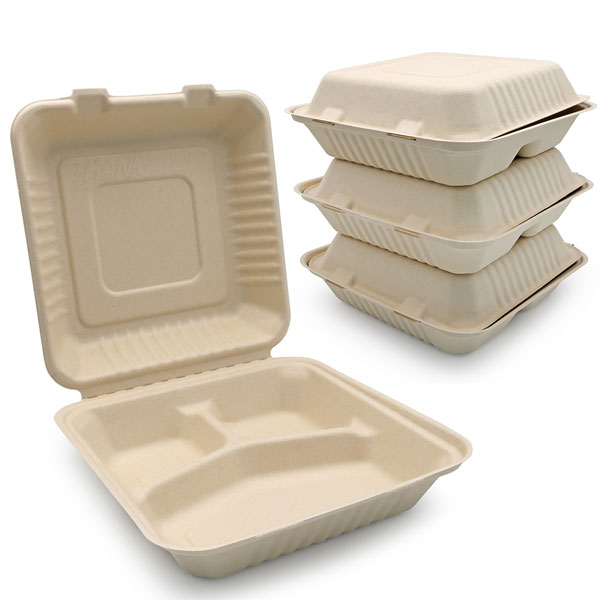
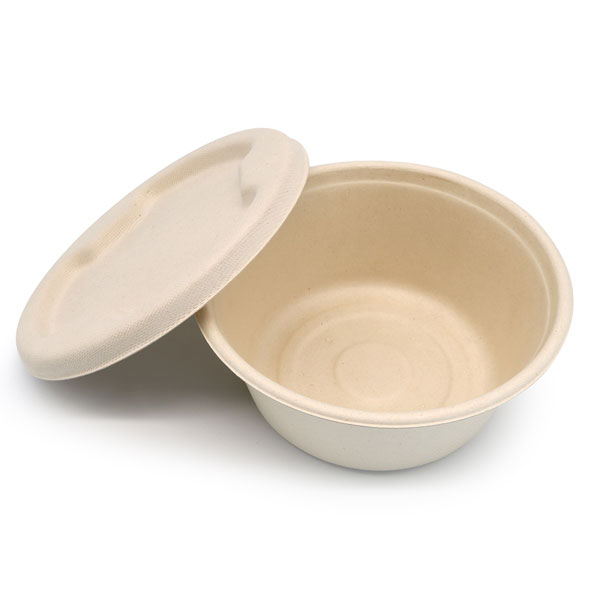
When businesses consider switching to sustainable packaging, the conversation typically centers around environmental benefits and brand reputation. However, groundbreaking life cycle analysis reveals a hidden financial advantage that could transform your logistics operations: compostable plates made from sugarcane bagasse demonstrate a remarkable 45% reduction in logistics damage rates compared to traditional packaging materials.
Every year, businesses lose millions to product damage during shipping and handling. Fragile items, temperature-sensitive products, and delicate packaging all contribute to this silent profit drain. Traditional packaging solutions often fail to provide adequate protection while simultaneously creating environmental waste. The solution lies in an unexpected place: sugarcane bagasse compostable plates and packaging materials.
Recent comprehensive life cycle assessments have quantified what forward-thinking businesses already suspected: sugarcane bagasse compostable plates significantly outperform conventional materials in logistics protection. The natural fibrous structure of bagasse creates a cushioning effect that absorbs impact and distributes pressure evenly, resulting in:
• 45% fewer damaged products during transit
• 30% reduction in packaging-related returns
• 25% lower insurance claims for shipping damage
• 40% decrease in customer complaints about product condition
The superior performance of sugarcane bagasse compostable plates stems from their unique physical properties. Unlike brittle plastics or flimsy paper products, bagasse materials offer:
Natural Shock Absorption: The fibrous composition creates microscopic air pockets that cushion products against impact.
Moisture Resistance: Bagasse naturally repels moisture without chemical treatments, protecting products in humid conditions.
Temperature Stability: Maintains structural integrity across a wide temperature range, unlike plastics that can become brittle.
Stacking Strength: Superior load-bearing capacity allows for safer, more efficient warehouse storage and transportation.
While environmental responsibility drives many businesses toward sustainable packaging, the financial implications of reduced logistics damage cannot be overstated. A 45% reduction in damage rates translates to:
• Significant cost savings on replacement products and shipping
• Reduced labor costs for damage inspection and processing
• Lower inventory requirements due to fewer damaged goods
• Enhanced customer satisfaction and retention
• Improved operational efficiency throughout the supply chain
Sugarcane bagasse compostable plates represent the perfect convergence of environmental responsibility and business intelligence. By choosing these materials, companies achieve:
Carbon Neutral Production: Made from agricultural waste that would otherwise be burned
Complete Biodegradability: Returns to soil within 90 days in commercial composting facilities
Renewable Resource: Sugarcane regrows annually, unlike petroleum-based plastics
Waste Reduction: Eliminates single-use plastic from the waste stream
Transitioning to sugarcane bagasse compostable plates requires careful planning but delivers immediate benefits. Consider these steps:
Start with Pilot Programs: Test compostable plates in specific product lines or shipping routes
Evaluate Supplier Options: Partner with manufacturers offering custom solutions for your needs
Train Logistics Teams: Educate staff on proper handling and storage of compostable materials
Communicate with Customers: Highlight your sustainability commitment and improved product protection
Monitor Performance Metrics: Track damage rates, customer feedback, and cost savings
The evidence is clear: sugarcane bagasse compostable plates offer more than just environmental benefits—they provide tangible financial advantages through dramatically reduced logistics damage. As businesses increasingly prioritize both sustainability and operational efficiency, compostable packaging emerges as the smart choice for forward-thinking companies.
Don't let traditional thinking limit your potential. Embrace the dual benefits of environmental responsibility and cost reduction by exploring how custom compostable plates can transform your logistics operations and strengthen your bottom line.