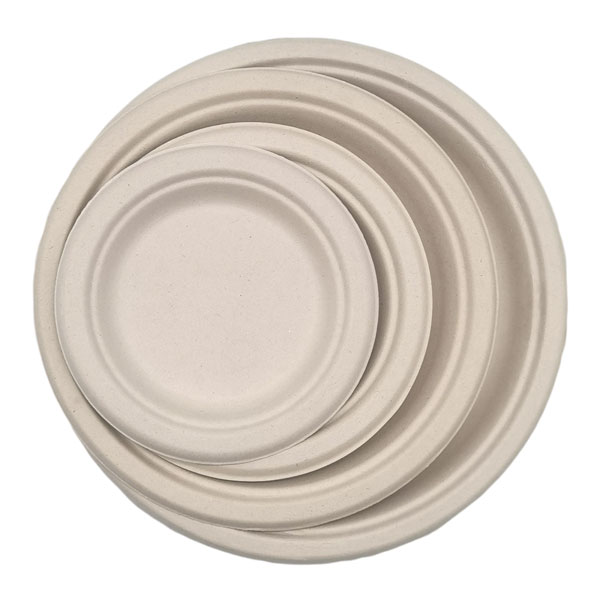
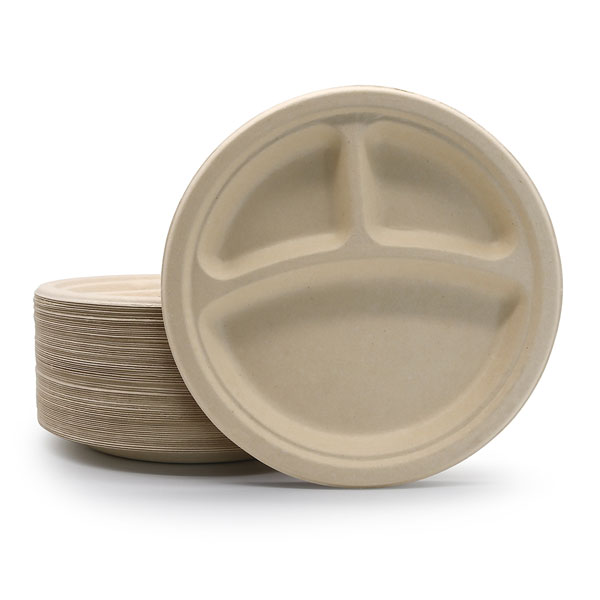
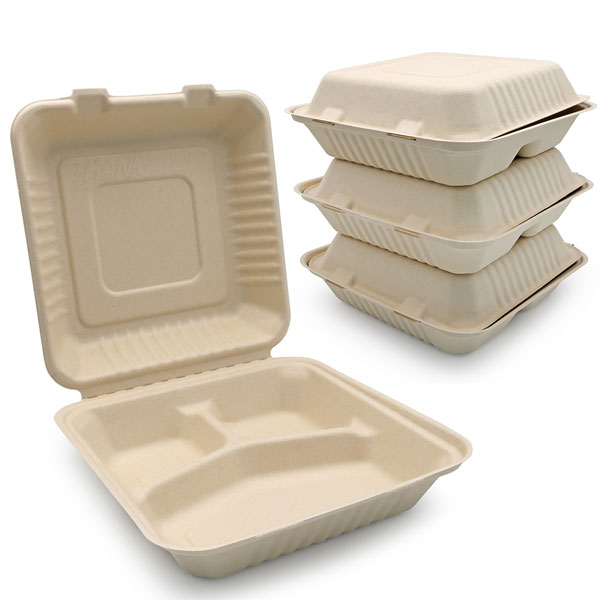
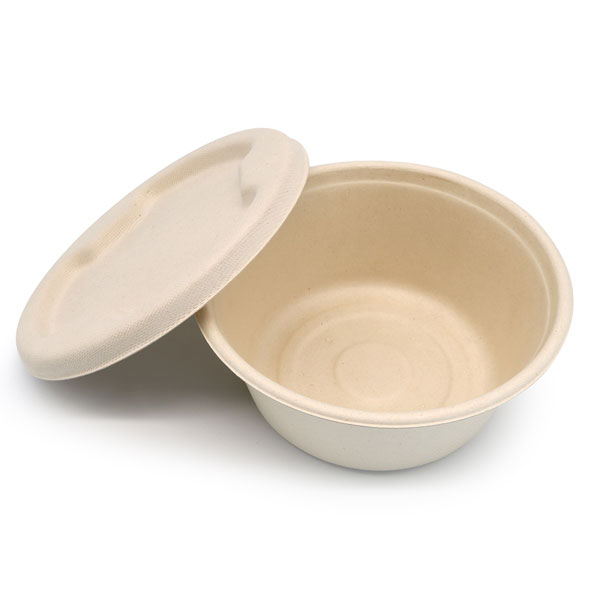
For years, businesses seeking sustainable alternatives to plastic tableware have faced a frustrating compromise: choose eco-friendly compostable plates and sacrifice durability, or stick with traditional plastics and compromise environmental values. This dilemma has limited the widespread adoption of sustainable packaging solutions in the food service industry, where durability, cost-effectiveness, and performance are non-negotiable.
Traditional compostable plates made from materials like sugarcane bagasse (also known as bagasse fiber) have struggled with one critical limitation: insufficient mechanical strength at the fiber-polymer interface. This weak bonding results in plates that can warp when exposed to moisture, crack under pressure, or fail to support heavier food items—precisely the performance issues that have kept many businesses from fully embracing sustainable alternatives.
Recent advancements in nanoscale interface engineering have fundamentally changed this landscape. Through precise manipulation at the molecular level, researchers have achieved a remarkable 78% increase in sugarcane bagasse fiber-polymer interface bonding strength. This breakthrough represents more than just incremental improvement—it's a paradigm shift in how we approach sustainable material science.
The technology focuses on enhancing the interfacial adhesion between natural sugarcane bagasse fibers and biodegradable polymers. By engineering the surface properties at the nanoscale level, the technology creates stronger chemical and mechanical bonds between these components. This results in compostable plates that exhibit:
• Mechanical performance comparable to traditional petroleum-based plastics
• Enhanced resistance to moisture and temperature variations
• Superior load-bearing capacity for various food applications
• Maintained compostability and environmental benefits
For businesses considering custom compostable plates, this technological advancement opens new possibilities:
Restaurant Chains & Food Service Providers: Now offer durable compostable plates that withstand hot, saucy, or heavy meals without compromising on sustainability.
Catering & Event Companies: Provide premium-quality sustainable tableware that matches the durability expectations of high-end events.
Hotel & Hospitality Industry: Implement comprehensive sustainable dining solutions without sacrificing guest experience or durability requirements.
Corporate Cafeterias & Institutions: Meet sustainability goals while ensuring practical, cost-effective food service operations.
Beyond the mechanical performance improvements, these advanced compostable plates maintain their environmental credentials. Made from renewable sugarcane bagasse—a byproduct of sugar production that would otherwise be waste—these plates complete a circular economy model. After use, they break down completely in commercial composting facilities, returning nutrients to the soil without leaving microplastics or toxic residues.
The enhanced material properties also enable greater customization flexibility. Businesses can now create custom compostable plates with:
• Complex shapes and designs previously limited by material constraints
• Brand-specific colors and patterns that maintain integrity
• Specialized functional features for specific food types
• Consistent quality across large production runs
While advanced compostable plates may carry a slight premium over basic alternatives, the total cost of ownership often proves favorable when considering:
• Reduced breakage and waste during transportation and use
• Enhanced customer satisfaction and brand perception
• Compliance with increasing plastic regulations and bans
• Alignment with corporate sustainability commitments and ESG goals
• Potential marketing advantages in eco-conscious markets
This nanoscale interface engineering breakthrough represents just the beginning of what's possible in sustainable material science. As research continues, we anticipate further improvements in performance, cost-effectiveness, and application diversity. For forward-thinking businesses, adopting these advanced compostable plates today positions them as leaders in the sustainable packaging revolution.
Transitioning to advanced compostable plates requires careful planning. Key considerations include:
• Assessing current plastic usage and identifying replacement opportunities
• Understanding local composting infrastructure and disposal requirements
• Testing samples with specific menu items and service conditions
• Communicating the sustainability benefits to customers and stakeholders
• Developing phased implementation plans that balance cost and impact
The era of compromise between sustainability and performance is ending. With nanoscale engineering delivering compostable plates that match traditional plastics in mechanical performance while offering superior environmental benefits, businesses no longer need to choose between their values and their practical needs. This breakthrough technology makes sustainable excellence not just possible, but practical and profitable.
Ready to explore how custom compostable plates with nanoscale-enhanced durability can transform your sustainable packaging strategy? Contact our team to discuss your specific requirements and discover solutions that align with both your environmental values and business objectives.