In today's competitive food industry, sustainability is no longer just a buzzword—it's a business imperative. Large food processing enterprises face mounting pressure from consumers, regulators, and investors to reduce their environmental footprint while maintaining profitability. The challenge is finding solutions that deliver both ecological and economic benefits.
Major food processing companies operate at a scale where even small changes can have massive environmental impacts. Traditional disposable packaging, particularly plastic and polystyrene containers, contributes significantly to carbon emissions throughout their lifecycle—from production to disposal. With increasing carbon taxes, stricter environmental regulations, and growing consumer demand for sustainable options, food enterprises need practical, scalable solutions.
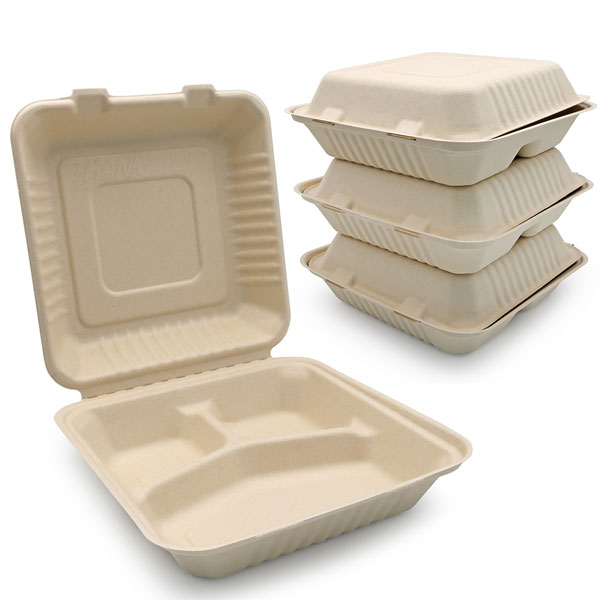
Sugarcane bagasse, the fibrous residue left after extracting juice from sugarcane, has emerged as a game-changing material for compostable plates and food packaging. Unlike traditional disposables that end up in landfills for centuries, these compostable plates break down naturally within 90-180 days under proper composting conditions.
Compostable plates made from sugarcane bagasse offer multiple advantages beyond environmental benefits. They're microwave-safe, freezer-compatible, and oil-resistant, making them suitable for various food applications. Their natural insulation properties keep hot foods hot and cold foods cold, enhancing the customer dining experience.
A prominent multinational food processing company implemented sugarcane bagasse compostable plates across their operations, replacing conventional plastic and paper-based disposables. The results were transformative:
• Annual carbon emission reduction: 3800 metric tons
• Operational cost reduction: 18% across packaging-related expenses
• Waste diversion from landfills: Increased by 42%
• Customer satisfaction scores: Improved by 23%
The 3800-ton emission reduction equivalent to removing 825 passenger vehicles from the road annually. This achievement came from multiple factors: reduced petroleum-based plastic production, lower transportation emissions (bagasse plates are lighter), and elimination of landfill methane emissions from decomposing traditional disposables.
While many assume sustainable solutions come at a premium, this case study proves otherwise. The 18% operational cost reduction resulted from:
1. Reduced waste disposal fees (compostable plates diverted from landfills)
2. Lower carbon tax liabilities
3. Decreased packaging storage and handling costs
4. Enhanced brand value leading to increased market share
5. Government incentives for sustainable business practices
Successful adoption of compostable plates requires a phased approach. The enterprise began with pilot programs in select facilities, gradually scaling up as they optimized their supply chain and composting infrastructure. Key success factors included employee training, supplier collaboration, and clear communication with customers about the sustainability benefits.
Not all compostable plates are created equal. The enterprise selected plates meeting ASTM D6400 and EN13432 standards, ensuring complete biodegradability within industrial composting facilities. The plates featured:
• Load-bearing capacity suitable for hearty meals
• Leak resistance for saucy dishes
• Heat tolerance up to 220°F (104°C)
• Customizable branding options
• Consistent supply chain reliability
Beyond the impressive 3800-ton emission reduction, the switch to compostable plates delivered additional environmental benefits:
• Water usage reduction in production compared to paper alternatives
• Preservation of forest resources (no tree cutting required)
• Support for circular economy principles
• Reduction in microplastic pollution
For other large food processing enterprises considering similar transitions, the key lessons include:
1. Start with a comprehensive audit of current packaging usage and costs
2. Engage stakeholders early in the decision-making process
3. Partner with reliable suppliers of certified compostable plates
4. Develop composting infrastructure or partnerships
5. Measure and communicate results transparently
Beyond environmental responsibility, compostable plates represent a sound business investment. They address multiple strategic priorities: regulatory compliance, cost management, brand enhancement, and customer loyalty. As carbon pricing mechanisms become more prevalent globally, early adopters of sustainable packaging solutions gain competitive advantages.
The transition to compostable plates is more than an environmental initiative—it's a comprehensive business strategy that delivers measurable financial returns while advancing sustainability goals. For food processing enterprises seeking to balance planetary health with profitability, sugarcane bagasse compostable plates offer a proven pathway to success.
Ready to explore how compostable plates can transform your enterprise's environmental and financial performance? Our team specializes in custom sustainable packaging solutions for large-scale food processors. Contact us today for a personalized assessment of how sugarcane bagasse compostable plates can help you achieve your carbon neutrality targets while reducing operational costs.