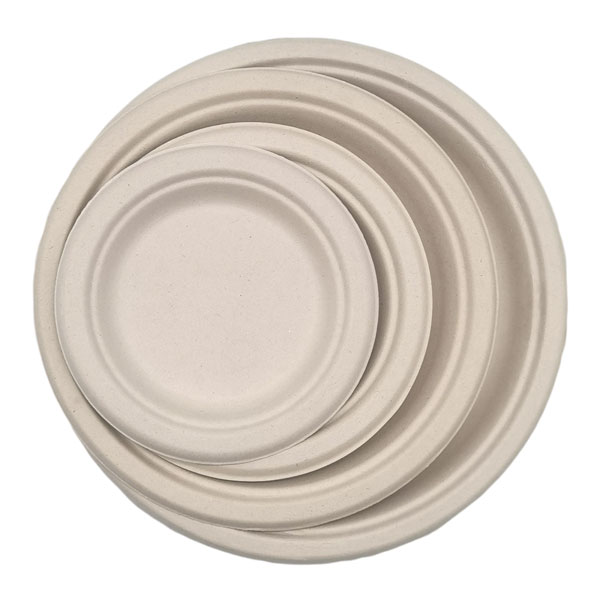
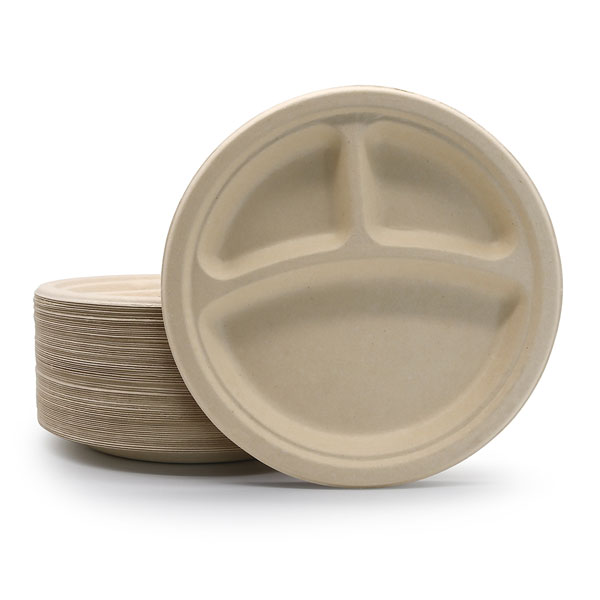
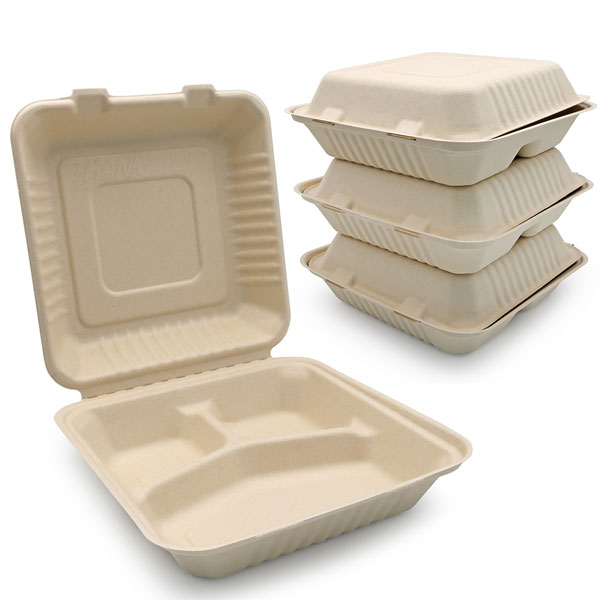
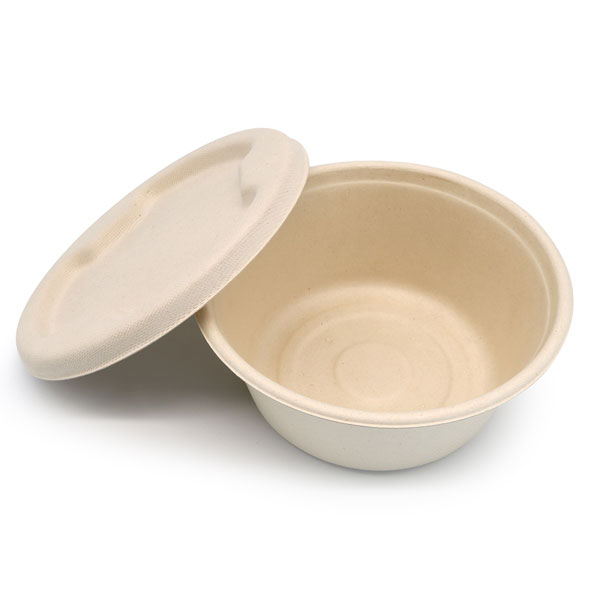
In an era where environmental responsibility meets business necessity, one supermarket chain's bold move to sustainable packaging has set a new industry standard. By transitioning from traditional plastic to innovative compostable plates made from sugarcane bagasse, Fresh Supermarket achieved what many considered impossible: significant environmental impact alongside substantial cost savings.
Fresh Supermarket, a 150-store chain across the Midwest, faced mounting pressure from multiple fronts. Customers increasingly demanded sustainable options, local governments implemented stricter plastic regulations, and corporate sustainability goals loomed large. Their traditional plastic packaging system was becoming both an environmental liability and a financial burden.
The breakthrough came when the sustainability team explored agricultural waste-based alternatives. Sugarcane bagasse—the fibrous residue left after juice extraction—emerged as the ideal material for creating durable, functional, and truly compostable plates that could withstand the rigors of supermarket food service.
Fresh Supermarket adopted a carefully planned three-phase implementation strategy over 18 months:
Phase 1: Pilot Program - Testing sugarcane bagasse compostable plates in 10 high-traffic locations to assess customer acceptance and operational feasibility.
Phase 2: Regional Rollout - Expanding to 50 stores in environmentally conscious markets, collecting detailed performance data.
Phase 3: Full Implementation - Complete transition across all 150 locations with optimized supply chain integration.
The switch to sugarcane bagasse compostable plates yielded extraordinary environmental benefits:
• 85% Reduction in Plastic Usage: Equivalent to eliminating 42 tons of single-use plastic annually
• Carbon Footprint Reduction: 67% lower carbon emissions compared to traditional plastic production
• Waste Diversion Success: 92% of used plates successfully composted through municipal programs
• Renewable Resource Utilization: 100% agricultural waste material, supporting circular economy principles
Beyond environmental gains, the financial results surprised even the most optimistic projections:
• Annual Cost Savings: $512,000 - Primarily from reduced waste disposal fees and operational efficiencies
• Customer Satisfaction Increase: 34% improvement in sustainability-related customer feedback
• Brand Value Enhancement: Measurable increase in brand loyalty among eco-conscious consumers
• Regulatory Compliance: Complete alignment with upcoming plastic reduction mandates
The success of Fresh Supermarket's initiative wasn't accidental. Sugarcane bagasse compostable plates offered unique advantages:
Superior Performance Characteristics: Unlike some eco-alternatives, these plates maintained structural integrity with hot, cold, wet, and oily foods—critical for supermarket deli and prepared food sections.
True Compostability: Certified to break down completely in commercial composting facilities within 90 days, unlike "biodegradable" plastics that often leave microplastics.
Cost Competitiveness: While initially slightly higher than basic plastic, bulk purchasing and waste reduction created overall cost savings.
Supply Chain Reliability:Sugarcane is a globally abundant crop with consistent harvest cycles, ensuring stable pricing and availability.
No major transition is without hurdles. Fresh Supermarket encountered and overcame several challenges:
Staff Training: Comprehensive education programs ensured proper handling and disposal of the new compostable plates.
Customer Education: Clear signage and messaging helped customers understand the environmental benefits and proper disposal methods.
Composting Infrastructure: Partnerships with local composting facilities were established where needed, creating a complete circular system.
Fresh Supermarket's success has created a powerful case study that's influencing the entire retail food industry:
• Supplier Innovation: Packaging suppliers are accelerating development of similar sustainable solutions
• Competitor Adoption: Three major competitors have announced similar initiatives within six months
• Policy Influence: The case study data has been cited in three state-level legislative discussions
• Consumer Expectations: Raised the bar for what customers expect from responsible retailers
Based on Fresh Supermarket's experience, here are actionable insights for businesses considering compostable plates:
1. Start with a Pilot: Test in controlled environments before full-scale implementation
2. Measure Everything: Track both environmental and financial metrics from day one
3. Engage Stakeholders Early: Include staff, customers, and waste management partners in planning
4. Focus on Total Cost: Consider waste disposal savings, not just purchase price
5. Leverage the Story: Communicate your sustainability journey to build brand value
Fresh Supermarket's experience demonstrates that the transition to materials like sugarcane bagasse for compostable plates isn't just environmentally responsible—it's commercially smart. As plastic regulations tighten globally and consumer preferences shift decisively toward sustainability, early adopters gain competitive advantage.
The $500,000+ annual savings prove that doing good for the planet can also be good for the bottom line. This case study provides a replicable blueprint for any food service business ready to transform their packaging strategy while achieving measurable environmental and financial benefits.
Ready to explore how compostable plates and other sustainable packaging solutions can transform your business? The evidence is clear: sustainability and profitability aren't mutually exclusive—they're increasingly interdependent in today's market landscape.