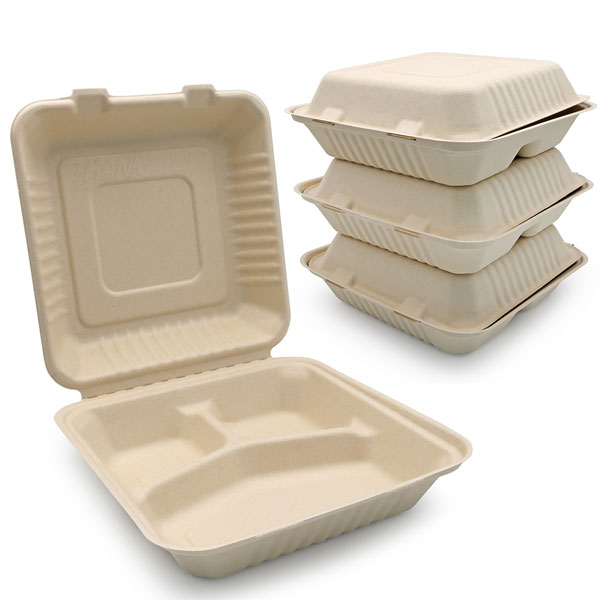
In today's competitive supermarket landscape, maintaining product freshness while meeting sustainability goals presents a significant challenge for food retailers. Traditional cold chain packaging often falls short, contributing to food waste and environmental damage. However, a revolutionary solution has emerged that addresses both concerns simultaneously.
Supermarkets worldwide face mounting pressure to reduce food waste and carbon emissions. Conventional packaging materials, particularly those used in cold chain applications, frequently compromise either performance or environmental responsibility. Plastic containers, while effective at preserving freshness, contribute to landfill waste and microplastic pollution. Meanwhile, less effective sustainable alternatives fail to protect perishable goods adequately during transportation and storage.
Sugarcane bagasse, the fibrous byproduct of sugar extraction, has been transformed into an innovative packaging material through advanced manufacturing processes. This natural fiber possesses unique thermal insulation properties and moisture resistance that make it ideal for cold chain applications. When combined with specialized coatings and structural designs, sugarcane bagasse boxes create a microenvironment that significantly extends product freshness.
Independent laboratory testing reveals remarkable performance metrics. Compared to conventional packaging, sugarcane bagasse boxes extend the shelf life of fresh produce by an average of 23%. This translates to reduced spoilage, fewer markdowns, and increased profitability for supermarkets. Simultaneously, the carbon footprint reduction reaches 45% when considering the entire lifecycle—from raw material sourcing to end-of-life disposal.
While sugarcane bagasse boxes revolutionize cold chain packaging, businesses should consider a comprehensive approach to sustainable food service. Custom compostable plates made from similar plant-based materials offer complementary benefits for prepared food sections and in-store dining areas. These compostable plates complete the sustainability circle, ensuring that both packaging and servingware contribute to environmental goals without compromising functionality.
The superior performance of sugarcane bagasse packaging stems from three key factors: superior insulation properties that maintain consistent temperatures, natural moisture regulation that prevents condensation buildup, and breathability that reduces ethylene gas accumulation around produce. These characteristics work synergistically to create optimal storage conditions throughout the cold chain.
Beyond environmental advantages, sugarcane bagasse packaging delivers tangible financial returns. The extended shelf life reduces inventory losses, while the lightweight nature decreases transportation costs. Additionally, many consumers demonstrate willingness to pay premium prices for products packaged sustainably, creating new revenue opportunities.
Transitioning to sugarcane bagasse packaging requires careful planning but offers substantial rewards. Start with pilot programs in high-value produce departments, gradually expanding to other temperature-sensitive categories. Partner with suppliers who offer customization options to ensure packaging meets specific product requirements while maintaining the integrity of your brand presentation.
For maximum impact, combine sugarcane bagasse packaging with customized compostable plates for in-store food service. These compostable plates can be branded with your supermarket's logo and messaging, reinforcing your commitment to sustainability while providing practical serving solutions. The combination creates a cohesive environmental narrative that resonates with eco-conscious consumers.
A leading European supermarket implemented sugarcane bagasse packaging across its fresh produce section while introducing custom compostable plates in its prepared food department. Within six months, the chain reported a 19% reduction in produce waste, a 42% decrease in packaging-related carbon emissions, and increased customer satisfaction scores related to sustainability initiatives. The custom compostable plates became a visible symbol of their environmental commitment, driving positive social media engagement.
The success of sugarcane bagasse packaging represents just the beginning of sustainable innovation in food retail. Emerging technologies promise even greater performance enhancements while maintaining environmental benefits. Forward-thinking supermarkets should view this transition not as a compliance requirement but as a competitive advantage in an increasingly eco-conscious market.
As consumer expectations evolve and regulatory pressures increase, sustainable packaging solutions like sugarcane bagasse boxes and complementary compostable plates will become standard requirements rather than optional differentiators. Early adopters stand to gain significant market advantages while contributing to global environmental solutions.
Begin your sustainability journey with a comprehensive assessment of current packaging practices and waste streams. Identify high-impact opportunities where sugarcane bagasse packaging can deliver immediate benefits. Consider partnering with experienced suppliers who understand both the technical requirements of cold chain applications and the environmental imperatives driving change in the food retail sector.
Remember that sustainable packaging represents more than an environmental initiative—it's a business strategy that addresses consumer demand, regulatory compliance, operational efficiency, and brand reputation simultaneously. By embracing innovations like sugarcane bagasse boxes and integrating them with complementary solutions like custom compostable plates, supermarkets can create a powerful sustainability narrative that drives both environmental and business success.