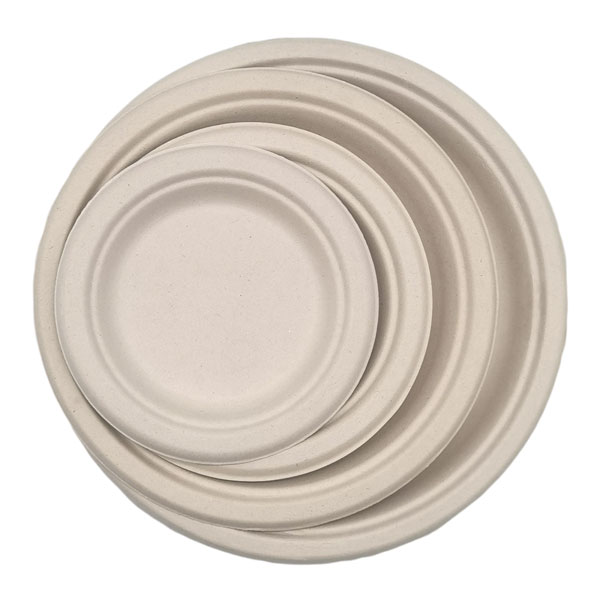
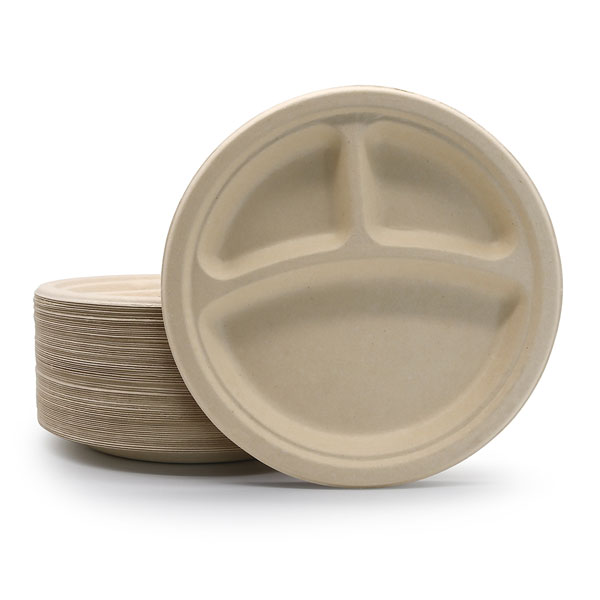
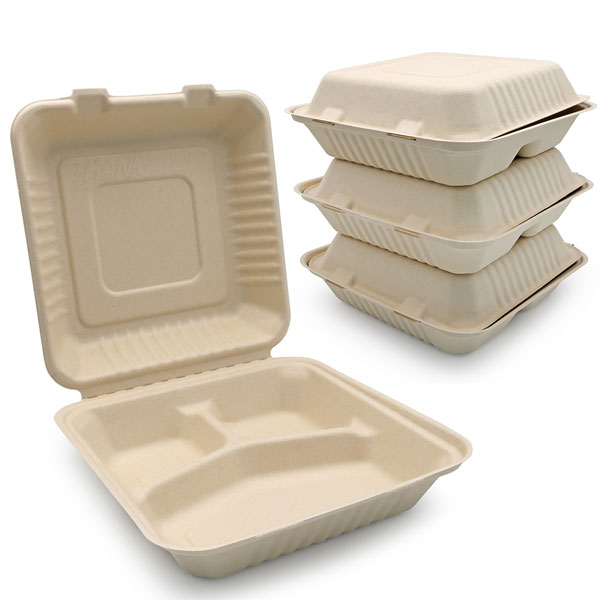
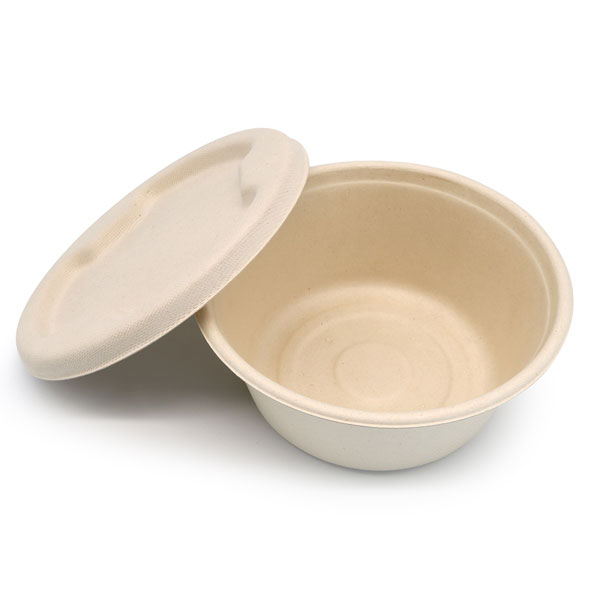
The global movement against single-use plastics has reached a critical tipping point. With over 127 countries implementing some form of plastic ban legislation, food service businesses face unprecedented regulatory pressure and consumer demand for sustainable alternatives. As the eco-packaging market accelerates toward a projected $250 billion valuation by 2025, one solution stands out for its perfect balance of sustainability, functionality, and compliance: compostable plates made from renewable materials like sugarcane bagasse.
From the European Union's Single-Use Plastics Directive to California's ambitious plastic reduction laws, regulatory frameworks are evolving rapidly. The United Nations Environment Programme reports that plastic bans now cover approximately 60% of the world's population, creating both challenges and opportunities for food service providers. Businesses that fail to adapt risk regulatory penalties, brand damage, and lost market share to more sustainable competitors.
The sustainable packaging market is experiencing explosive growth, projected to reach $250 billion by 2025 according to recent industry analysis. This represents a compound annual growth rate of 7.4%, significantly outpacing traditional packaging sectors. The driving forces include:
Recent surveys show 73% of consumers are willing to pay more for sustainable packaging, with millennials and Gen Z leading this preference shift.
Major food service chains and corporations have made public commitments to eliminate single-use plastics, creating massive demand for alternatives.
As production scales up, the price gap between conventional and sustainable packaging continues to narrow.
Among the various sustainable materials, sugarcane bagasse—the fibrous byproduct of sugar extraction—has emerged as a particularly promising solution for compostable plates. This agricultural waste material offers several distinct advantages:
Sugarcane bagasse compostable plates demonstrate excellent heat resistance (up to 220°F/104°C), oil and moisture resistance, and structural integrity comparable to traditional plastic or paper plates.
Unlike some "biodegradable" alternatives that require industrial composting facilities, high-quality sugarcane bagasse plates typically decompose in 30-90 days in commercial composting conditions.
As an agricultural byproduct, sugarcane bagasse utilizes waste material that would otherwise be burned or discarded, creating a circular economy solution with negative carbon impact.
For B2B clients in the food service industry, transitioning to compostable plates represents more than just regulatory compliance—it's a strategic business decision with multiple benefits:
By adopting compostable plates now, businesses stay ahead of increasingly stringent plastic regulations and avoid costly last-minute transitions.
Sustainable packaging serves as a visible demonstration of corporate responsibility, appealing to environmentally conscious consumers and business partners.
Modern compostable plates offer the same convenience and functionality as traditional options, with no compromise on user experience.
The true power of compostable plates lies in their customization potential. Forward-thinking businesses are leveraging this opportunity to:
Custom printing with logos, brand colors, and messaging transforms ordinary compostable plates into powerful marketing tools.
Tailored dimensions and compartmentalized designs improve food presentation and reduce waste.
Combining sugarcane bagasse with other natural fibers creates plates with specific performance characteristics for different food types.
As the eco-packaging market accelerates toward its $250 billion milestone, businesses have a clear window of opportunity to establish leadership in sustainability. The transition to compostable plates should be approached strategically:
Evaluate current plastic usage, identify replacement priorities, and establish sustainability goals aligned with business objectives.
Choose suppliers with proven expertise in compostable plate manufacturing, customization capabilities, and reliable supply chains.
Develop a phased transition plan that minimizes disruption while maximizing brand and sustainability benefits.
Effectively communicate your sustainability commitment to customers, employees, and stakeholders to maximize the business value of your transition.
The convergence of regulatory pressure, market growth, and material innovation has created a perfect storm of opportunity for businesses ready to embrace compostable plates. As sugarcane bagasse and other sustainable materials continue to gain market share in the booming $250 billion eco-packaging industry, early adopters stand to gain competitive advantage, brand loyalty, and alignment with the global sustainability movement. The question is no longer whether to transition from plastic to compostable alternatives, but how quickly and strategically your business can make the shift.