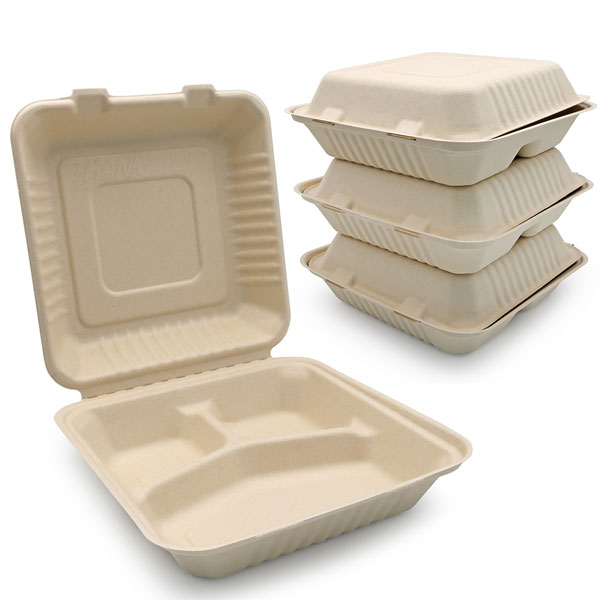
In today's competitive restaurant industry, chain operators face mounting pressure from two critical fronts: escalating operational costs and growing consumer demand for environmental responsibility. The solution to this dual challenge lies in an unexpected place - sugarcane bagasse, the fibrous byproduct of sugar extraction that's revolutionizing food packaging. This comprehensive guide reveals how switching to compostable plates and containers can reduce your operational expenses by an impressive 30% while positioning your brand as an environmental leader.
Most chain restaurants underestimate the true cost of their packaging choices. Beyond the obvious purchase price, traditional plastic and Styrofoam containers create significant hidden expenses that drain profitability. These include waste disposal fees that continue to rise as municipalities implement stricter environmental regulations, storage costs for bulky packaging materials, and the growing consumer backlash against non-sustainable options that can damage brand reputation.
Commercial waste disposal represents one of the fastest-growing operational costs for restaurant chains. Traditional packaging contributes substantially to landfill waste, triggering higher disposal fees and potential regulatory penalties. By contrast, compostable plates made from sugarcane bagasse can be processed through commercial composting facilities, often qualifying for waste reduction incentives and significantly lowering your overall waste management expenses.
Sugarcane bagasse represents a breakthrough in sustainable packaging technology. This agricultural byproduct, once considered waste, now provides the foundation for durable, heat-resistant, and completely compostable plates and containers. Unlike petroleum-based plastics that require extensive energy to produce, bagasse utilizes material that would otherwise be discarded, creating a circular economy solution that benefits both businesses and the environment.
Modern compostable plates manufactured from sugarcane bagasse offer performance characteristics that rival or exceed traditional options. They maintain structural integrity with hot, greasy, or moist foods, provide excellent microwave compatibility, and offer superior insulation properties. This means your customers enjoy the same convenience they expect from traditional packaging, while your business demonstrates genuine environmental commitment.
The dramatic cost savings from switching to sugarcane bagasse containers come from multiple operational areas. Here's how the 30% reduction breaks down across your business operations:
While premium compostable plates may have a slightly higher unit cost than basic plastic options, their superior performance reduces breakage and spillage incidents. More importantly, as production scales and technology advances, the cost gap continues to narrow, with many chains reporting comparable or lower overall packaging costs within their first year of transition.
This represents the most significant savings area. Compostable packaging dramatically reduces the volume of waste sent to landfills, which directly lowers disposal fees. Many municipalities offer reduced rates or incentives for businesses implementing sustainable waste management practices, creating additional financial benefits.
Sugarcane bagasse containers are typically designed for optimal space utilization, allowing more units to be stored in the same warehouse or backroom space. Their nesting capabilities and consistent sizing improve inventory management efficiency and reduce the frequency of reordering, lowering associated labor and logistics costs.
Beyond direct cost savings, compostable plates deliver substantial marketing and branding benefits. Today's consumers, particularly millennials and Gen Z, actively seek out environmentally responsible dining options. By prominently featuring your use of sugarcane bagasse containers, you tap into this growing market segment and differentiate your chain from competitors still using conventional packaging.
Restaurants that demonstrate authentic environmental commitment enjoy higher customer retention rates and increased average spending. Patrons are willing to pay premium prices and show greater loyalty to brands that align with their values. This loyalty dividend represents a significant, though often overlooked, component of the overall cost-benefit equation.
Transitioning to compostable plates requires careful planning but delivers rapid returns. Begin with a pilot program at select locations to gather data and refine your approach. Work with suppliers who understand the specific needs of chain operations and can provide consistent quality across all your locations. Educate both staff and customers about the benefits of the new packaging to maximize acceptance and marketing impact.
Successful implementation depends on finding a supplier with expertise in B2B compostable packaging solutions. Look for partners who offer customization options, reliable supply chains, and comprehensive support throughout the transition process. The right supplier becomes a strategic partner in your sustainability journey and cost-reduction objectives.
Establish clear metrics to track the impact of your switch to sugarcane bagasse containers. Monitor waste disposal costs, customer feedback, social media engagement related to your sustainability efforts, and overall packaging expenses. Most chains begin seeing measurable financial benefits within 3-6 months, with the full 30% cost reduction typically realized within the first year.
The transition to sugarcane bagasse compostable plates represents more than just an environmental choice - it's a strategic business decision with substantial financial benefits. By reducing operational costs by 30% while enhancing brand value and customer loyalty, chain restaurants can achieve competitive advantages that extend far beyond the bottom line. The future of restaurant packaging is sustainable, cost-effective, and already here in the form of innovative compostable plates made from sugarcane bagasse.