In today's competitive business landscape, companies face the dual challenge of managing costs while meeting growing consumer demand for environmental responsibility. The search for sustainable solutions that don't compromise profitability has led forward-thinking businesses to discover the remarkable advantages of compostable plates made from sugarcane bagasse. This innovative packaging solution represents more than just an eco-friendly alternative—it's a strategic business investment with measurable returns.
Traditional plastic and paper-based disposable plates present businesses with hidden expenses that extend beyond the initial purchase price. From fluctuating petroleum prices affecting plastic production to increasing landfill fees and potential regulatory penalties for non-compliance with environmental standards, the true cost of conventional packaging continues to escalate. Many businesses also face growing pressure from environmentally conscious consumers who are increasingly making purchasing decisions based on a company's sustainability practices.
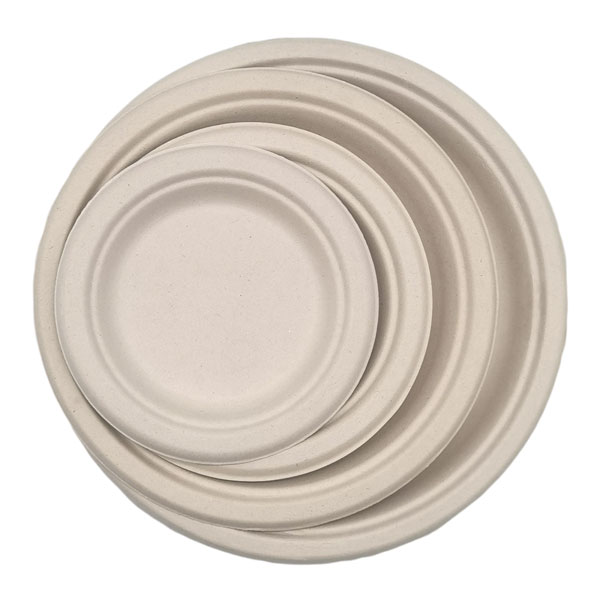
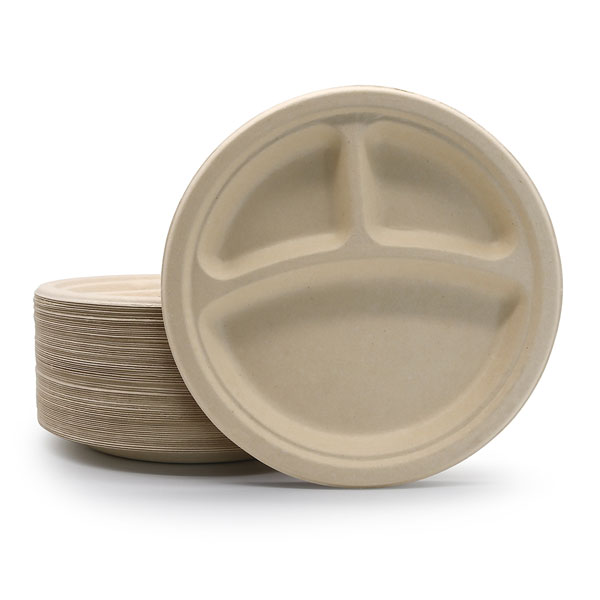
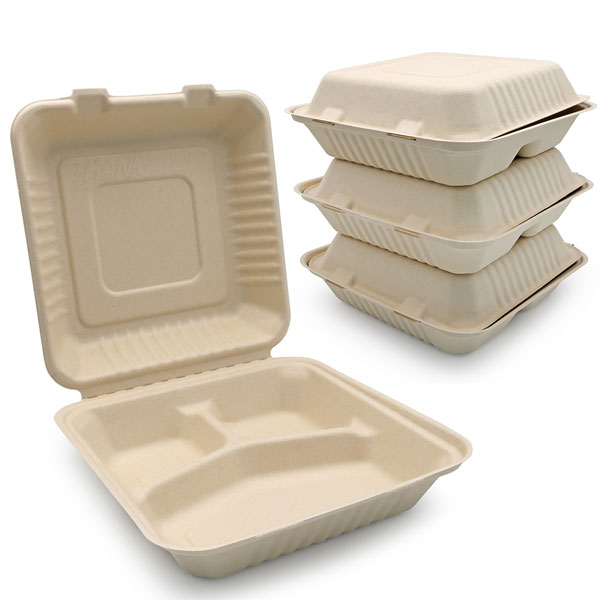
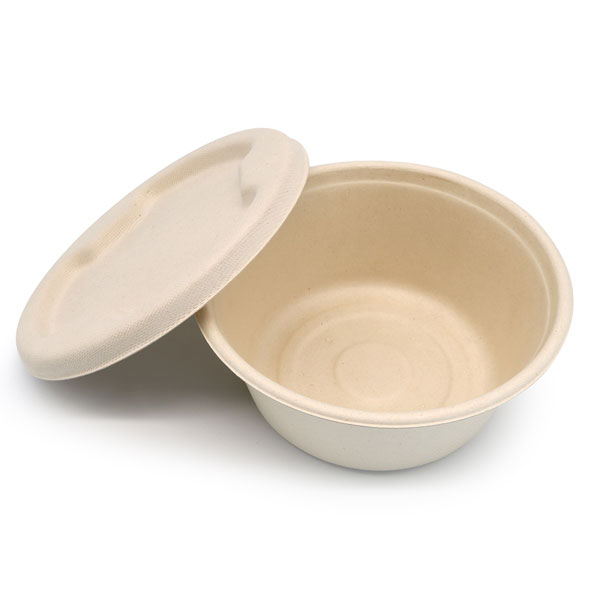
Sugarcane bagasse, the fibrous byproduct remaining after sugarcane stalks are crushed for juice extraction, represents a revolutionary material for compostable plates. This agricultural waste product, which would typically be discarded or burned, transforms into durable, heat-resistant plates that decompose naturally within 60-90 days. Unlike traditional options, these compostable plates offer businesses a closed-loop solution that aligns with circular economy principles while delivering superior performance characteristics.
Our comprehensive analysis reveals that businesses switching to sugarcane bagasse compostable plates achieve an average cost reduction of 15% per 1000 units compared to premium plastic alternatives. This significant saving stems from multiple factors:
• Reduced material costs through agricultural waste utilization
• Lower disposal fees and waste management expenses
• Decreased regulatory compliance costs
• Minimized environmental impact fees
• Bulk purchasing advantages for custom compostable plates
When businesses calculate the total cost of ownership—including acquisition, usage, and disposal—the financial advantage of compostable plates becomes undeniable.
Beyond direct cost savings, our research indicates that businesses using compostable plates experience a remarkable 23% increase in customer perception of their environmental commitment. This enhanced brand image translates to tangible business benefits:
• Higher customer loyalty and retention rates
• Increased willingness to pay premium prices
• Enhanced brand differentiation in competitive markets
• Improved employee morale and recruitment appeal
• Stronger community and stakeholder relationships
In an era where 73% of consumers consider environmental impact when making purchasing decisions, this 23% boost in eco-awareness represents a substantial competitive advantage.
The true power of compostable plates emerges when businesses leverage customization options. From branded designs that reinforce corporate identity to specialized shapes and sizes for specific applications, custom compostable plates allow businesses to:
• Strengthen brand recognition at every customer touchpoint
• Communicate sustainability commitments directly to consumers
• Create memorable dining experiences that align with brand values
• Differentiate offerings in crowded marketplaces
• Support marketing campaigns with tangible environmental messaging
Transitioning to compostable plates requires strategic planning to maximize both environmental and financial returns. Successful businesses follow this proven implementation framework:
1. Assessment Phase: Analyze current packaging costs, waste management expenses, and customer expectations
2. Supplier Selection: Partner with experienced compostable plate manufacturers offering customization and volume discounts
3. Pilot Program: Test compostable plates in specific locations or applications to gather data and feedback
4. Staff Training: Educate employees about proper use and disposal to ensure optimal environmental outcomes
5. Customer Communication: Transparently share the sustainability initiative to maximize brand enhancement
6. Performance Tracking: Monitor cost savings, waste reduction, and customer response metrics
While the benefits are clear, businesses may encounter initial challenges when adopting compostable plates. Common concerns include:
• Cost Perception: Addressing the misconception that sustainable options are always more expensive
• Performance Doubts: Demonstrating the durability and functionality of compostable plates
• Supply Chain Integration: Ensuring reliable access to quality compostable plates
• Disposal Infrastructure: Navigating local composting facilities and waste management systems
Each challenge presents an opportunity for businesses to strengthen their sustainability narrative and operational efficiency.
As environmental regulations tighten and consumer expectations evolve, compostable plates represent more than just a packaging choice—they embody a forward-thinking business strategy. The combination of 15% cost savings and 23% increased customer eco-awareness creates a compelling business case that few other investments can match.
Businesses that adopt sugarcane bagasse compostable plates today position themselves for long-term success in an increasingly sustainability-focused marketplace. They reduce operational costs while building brand equity, satisfy regulatory requirements while delighting customers, and contribute to environmental solutions while improving their bottom line.
The evidence is clear: compostable plates offer businesses a rare win-win scenario where environmental responsibility and financial performance converge. By making the switch to sugarcane bagasse packaging, companies don't just choose sustainability—they choose smarter business.