In the rapidly growing fresh e-commerce sector, food waste remains a staggering $1 trillion global problem. For B2B companies specializing in cold chain delivery, packaging inefficiencies account for up to 40% of product losses during transportation. Traditional packaging solutions simply aren't cutting it anymore.
Temperature fluctuations, moisture accumulation, and inadequate insulation plague conventional packaging methods. Fresh produce, prepared meals, and perishable goods suffer damage that translates directly to financial losses and environmental waste. The search for sustainable solutions has never been more urgent.
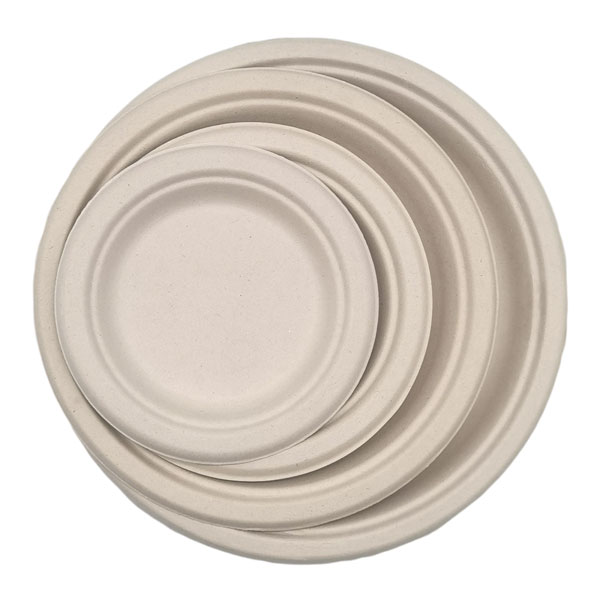
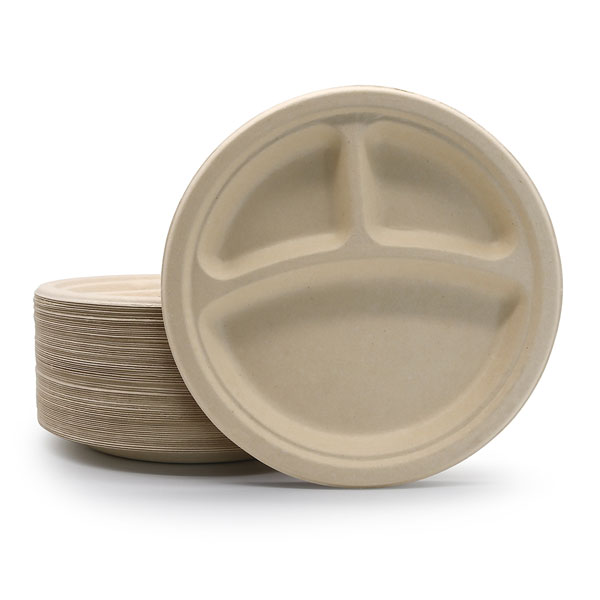
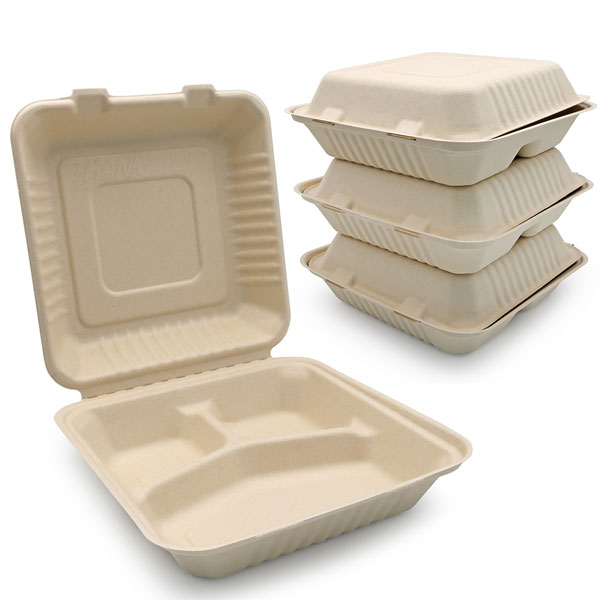
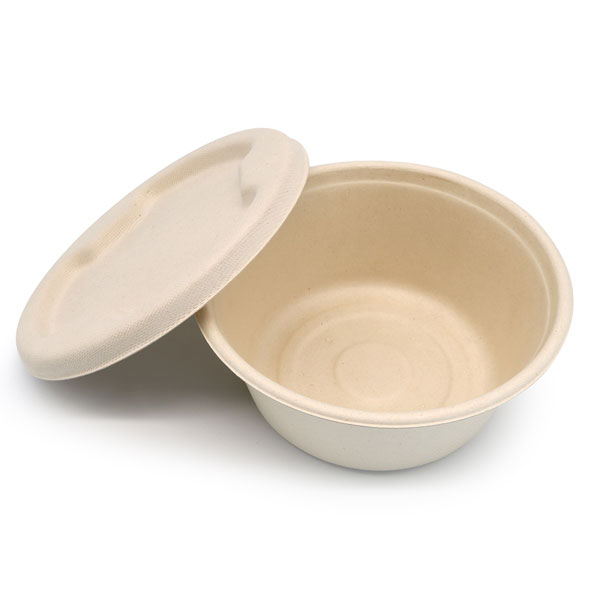
Derived from sugarcane processing waste, bagasse represents a circular economy triumph. This fibrous byproduct, once considered agricultural waste, now forms the foundation of revolutionary compostable plates and packaging solutions. Its natural properties include exceptional thermal insulation, moisture resistance, and biodegradability.
The secret lies in the unique cellular structure of sugarcane bagasse. Custom-designed compostable plates for cold chain applications provide:
• Superior thermal retention maintaining optimal temperatures 35% longer than conventional materials
• Natural moisture regulation preventing condensation buildup
• Enhanced structural integrity reducing compression damage during transit
• Customizable designs fitting specific product dimensions perfectly
Beyond environmental benefits, switching to sugarcane bagasse compostable plates delivers tangible ROI:
Reduced product losses directly improve profit margins. Sustainability credentials enhance brand value and customer loyalty. Regulatory compliance becomes simpler with certified compostable materials. Supply chain efficiency increases with optimized packaging designs.
One-size-fits-all approaches fail in specialized cold chain applications. Custom compostable plates can be engineered for specific requirements:
• Temperature range specifications
• Product size and shape optimization
• Stackability for logistics efficiency
• Branding integration opportunities
Transitioning to sugarcane bagasse packaging requires strategic planning. Start with pilot programs targeting high-loss product categories. Measure performance against traditional packaging metrics. Scale successful implementations across your product line. Partner with experienced compostable plates manufacturers who understand cold chain requirements.
As consumer demand for sustainable solutions grows and regulations tighten, early adoption of sugarcane bagasse compostable plates positions your business as an industry leader. The 30% reduction in food waste represents just the beginning of potential savings and environmental benefits.
The revolution in cold chain packaging is here. Custom compostable plates made from sugarcane bagasse offer a proven solution to one of fresh e-commerce's most persistent challenges. By embracing this innovative approach, B2B companies can simultaneously reduce costs, minimize environmental impact, and meet evolving customer expectations for sustainable practices.