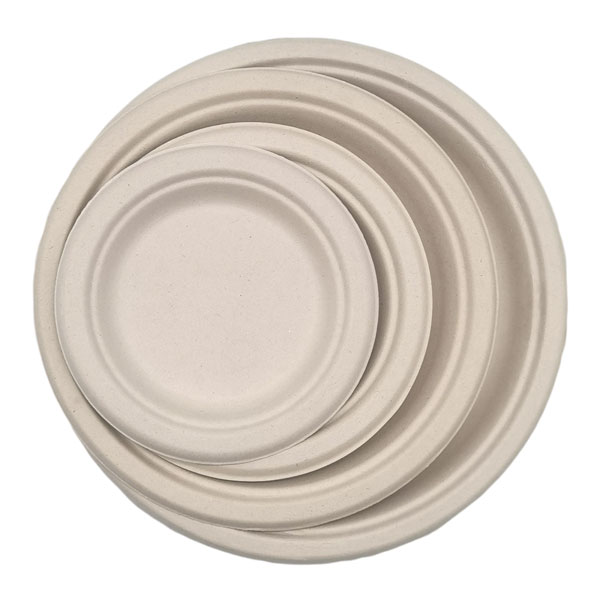
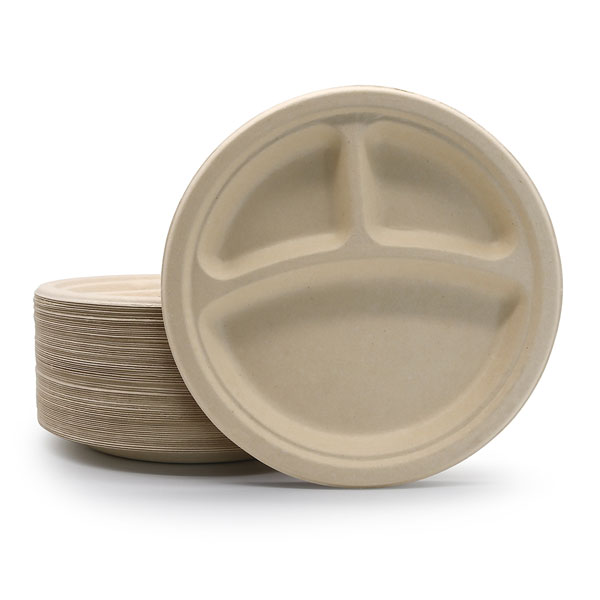
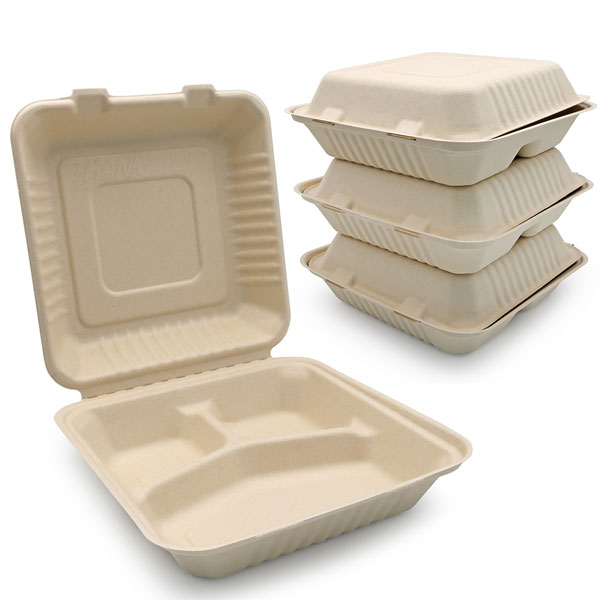
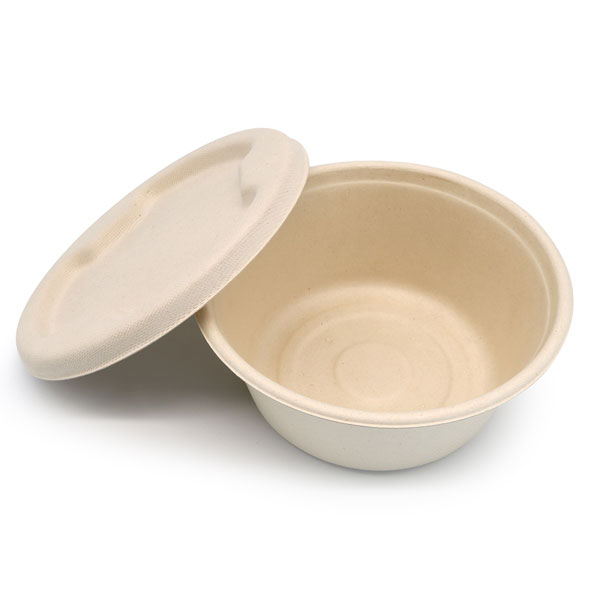
For food business owners, the decision to switch to eco-friendly packaging often feels like a trade-off: do the right thing for the planet or protect your bottom line. What if you could achieve both simultaneously? A deep dive into the long-term Return on Investment (ROI) reveals that sustainable packaging, specifically compostable plates made from sugarcane bagasse, isn't just an ethical choice—it's a financially astute one. By moving beyond upfront price comparisons, we uncover how this switch systematically reduces operational costs, enhances brand value, and can lead to substantial savings, averaging 15% on your total packaging expenditure.
Traditional cost analysis focuses on the per-unit price of containers. This myopic view misses the broader financial landscape. When you factor in waste disposal fees, potential tax incentives, and consumer behavior, the equation shifts dramatically.
Non-compostable waste, especially from food service, is heavy and costly to dispose of. Landfill taxes are rising globally. By using fully compostable plates, businesses can drastically reduce their volume of general waste. This can lead to lower garbage collection frequency, smaller bin sizes, and direct savings on waste hauling contracts—a line item often overlooked in packaging budgets.
Modern consumers, especially millennials and Gen Z, actively seek out and are willing to pay more for brands with proven environmental commitments. Displaying compostable plates and bagasse containers is a powerful, tangible signal of your values. This translates into higher customer loyalty, positive social media exposure, and the ability to command a slight price premium, directly boosting your ROI.
Sugarcane bagasse, the fibrous byproduct of sugar extraction, is not just a sustainable raw material; it's an economic powerhouse for your operations.
Unlike some flimsy alternatives, bagasse compostable plates are sturdy, microwave-safe, and leak-resistant for longer periods. This means fewer customer complaints, fewer instances of double-plating due to failure, and less product wasted from container failure—saving on both packaging and food costs.
Adopting a versatile line of bagasse containers can simplify your inventory. Their suitability for hot, cold, wet, and oily foods often means you can replace multiple specialized plastic or foam items with one sustainable product. This reduces inventory complexity, minimizes over-ordering risks, and creates bulk purchasing power for a single material type.
Governments worldwide are banning single-use plastics. Investing in compliant compostable plates now avoids costly, rushed transitions later. It also positions you to qualify for green business grants, tax deductions, or lower fee structures offered by municipalities for waste diversion, contributing directly to your 15% cost-saving figure.
To see your potential savings, conduct a holistic audit: 1) Current Total Packaging Cost: Include unit cost, warehousing, and waste disposal fees. 2) Post-Switch Projection: Factor in new unit costs, reduced waste fees, and any bulk discounts. 3) Intangible Value: Estimate the value of enhanced brand perception and customer retention. The gap between the first and second total is where you'll find your direct savings, with the third point amplifying long-term profitability.
The transition to sugarcane bagasse compostable plates is a strategic investment with a clear, calculable payoff. The promised 15% packaging cost reduction is not a marketing fantasy but a composite result of operational efficiencies, waste diversion savings, and brand-driven revenue growth. In today's market, true cost-efficiency is green. By choosing packaging that aligns with planetary health, you're not just saving the earth—you're safeguarding and growing your business's financial future.