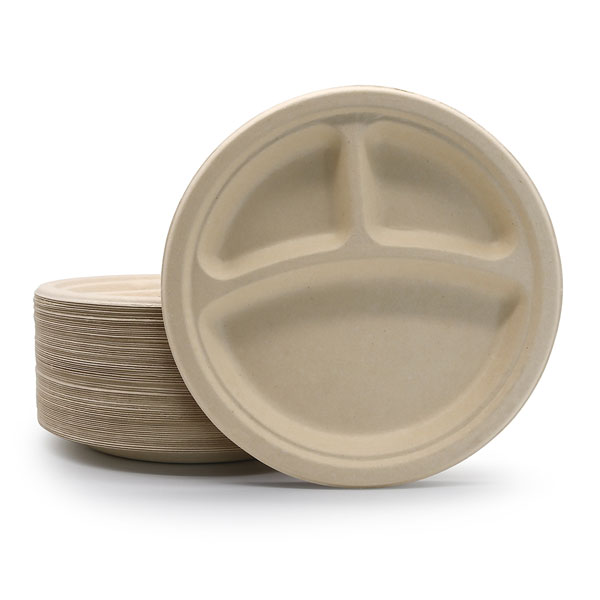
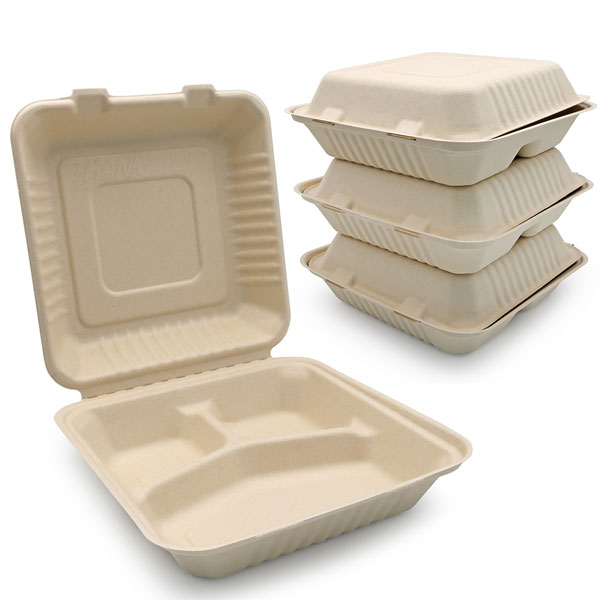
For B2B buyers and operations managers, warehouse efficiency isn't just a metric—it's a critical cost center and a constant logistical challenge. Traditional plastic or polystyrene foodservice packaging is bulky, often requiring excessive void fill and consuming valuable cubic footage. What if your commitment to sustainability could also unlock significant operational efficiencies? Enter compostable plates crafted from sugarcane bagasse, a by-product of sugar extraction. This isn't merely an eco-swap; it's a strategic supply chain optimization. By transitioning to bagasse-based compostable plates, forward-thinking businesses are reporting reductions of up to 30% in their warehouse space requirements. Let's explore how this innovative material transforms storage from a headache into a competitive advantage.
Conventional packaging materials are designed for durability, not density. Their volume-to-product ratio is often poor, leading to pallets that are 'full' long before they reach weight limits. This inefficiency cascades through your supply chain: more shipments, higher freight costs, and sprawling warehouse footprints. For companies aiming to scale or optimize existing facilities, this bulky reality directly impacts the bottom line and complicates inventory management.
Sugarcane bagasse possesses inherent properties that make it a supply chain ally. The manufacturing process for compostable plates creates a product that is inherently strong yet nestable and stackable with remarkable stability.
Unlike rigid plastic plates that require individual separation, high-quality compostable plates are engineered to nest tightly together. This design drastically reduces the air space between each unit in a carton. The result? More plates per box, more boxes per pallet, and ultimately, more product in a smaller area of your warehouse.
Bagasse material provides excellent natural cushioning and rigidity. This often reduces or eliminates the need for additional protective packaging like bubble wrap or cardboard dividers used to prevent traditional plates from cracking during transit. Less internal packaging means denser, more efficient primary cartons.
While sturdy, bagasse is lighter than many alternative materials. Lighter cartons allow for safer, taller stacking in the warehouse without risking collapse or exceeding floor weight limits. This vertical optimization is key to unlocking that 30% space saving, allowing you to store more inventory in the same footprint.
A 30% reduction in space is a compelling figure, but what does it mean in practice? It translates directly to: Lower Storage Costs: Reduced square footage needed can lower leasing costs or free up space for other revenue-generating activities. Reduced Freight Costs: Denser pallets mean fewer shipments to move the same quantity of product, cutting transportation expenses and carbon emissions. Improved Inventory Turns: Efficient storage leads to better organization and faster picking, streamlining order fulfillment. Enhanced Sustainability Profile: This efficiency complements the core environmental benefit of using compostable plates, strengthening your brand's ESG (Environmental, Social, and Governance) story for conscious clients and partners.
Choosing sugarcane bagasse compostable plates is no longer just an environmental statement—it's a smart business decision for supply chain resilience. When evaluating suppliers, emphasize your need for packaging designed with logistics in mind. Request samples to test nestability and stackability, and ask for case studies on warehouse optimization. The goal is to partner with a provider who understands that true sustainability encompasses operational efficiency and tangible ROI.
In the competitive B2B landscape, every advantage counts. Switching to sugarcane bagasse compostable plates offers a dual victory: a demonstrable reduction in environmental impact and a direct, quantifiable improvement in warehouse and logistics efficiency. By embracing this innovative material, you're not just storing plates; you're reclaiming space, reducing costs, and future-proofing your supply chain. It's time to see sustainable packaging as the strategic asset it truly is.