For businesses in food delivery, meal kits, pharmaceuticals, and premium groceries, the cold chain is a critical yet costly link. Traditional polystyrene (EPS) foam coolers, while effective insulators, create a massive waste problem and rely on energy-intensive manufacturing. The search is on for a solution that doesn't force a choice between performance and planetary responsibility. The answer lies not in advanced synthetics, but in a clever, nature-inspired design using agricultural by-products.
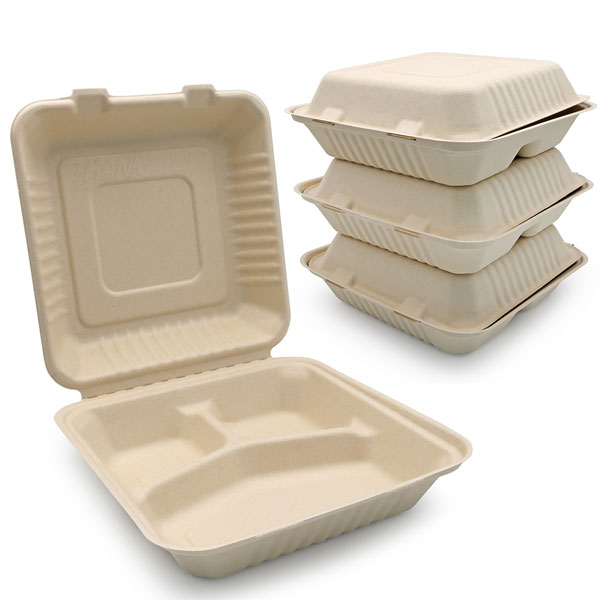
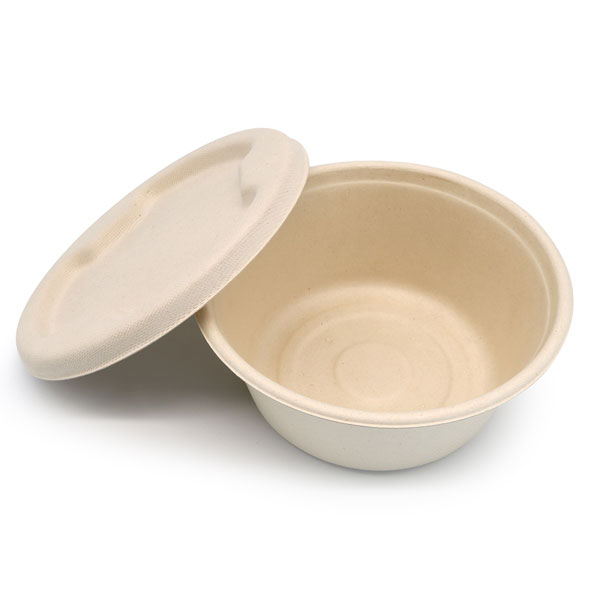
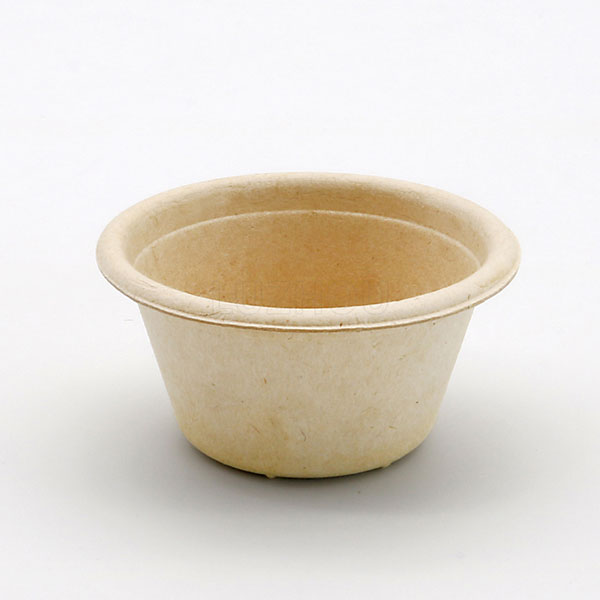
Our breakthrough material starts with bagasse—the fibrous residue left after extracting juice from sugarcane. Instead of being burned or discarded, this waste is transformed. Through a proprietary process, it's molded into robust, durable insulation boxes with exceptional thermal properties. The natural cellulose fibers create millions of tiny air pockets, forming an effective barrier against external heat transfer. This biomimicry approach results in a container that is inherently strong, lightweight, and, crucially, fully compostable plates and packaging in industrial facilities.
How does it stack up? Independent testing confirms our sugarcane pulp insulation boxes maintain safe internal temperatures for perishables for over 8 hours, meeting and often exceeding the performance of standard EPS foam. But the innovation extends beyond the box itself.
The manufacturing process requires significantly less energy compared to producing petroleum-based foams. From raw material to finished product, we achieve an average reduction of 30% in energy consumption. This dual benefit—superior thermal retention and a lower carbon footprint from production—creates a compelling value proposition for environmentally conscious B2B clients.
1. Meet & Exceed Sustainability Mandates: Replace fossil-fuel-based coolers with a plant-based, commercially compostable solution. This directly reduces landfill waste and supports corporate ESG (Environmental, Social, and Governance) goals.
2. Enhance Brand Perception: Customers increasingly reward sustainable choices. Delivering your premium products in packaging that protects the planet as well as the contents strengthens brand loyalty and allows for powerful marketing storytelling.
3. Future-Proof Your Operations: With legislation targeting single-use plastics expanding globally, switching to a compostable plates and packaging model for your cold chain needs is a proactive step toward compliance and operational resilience.
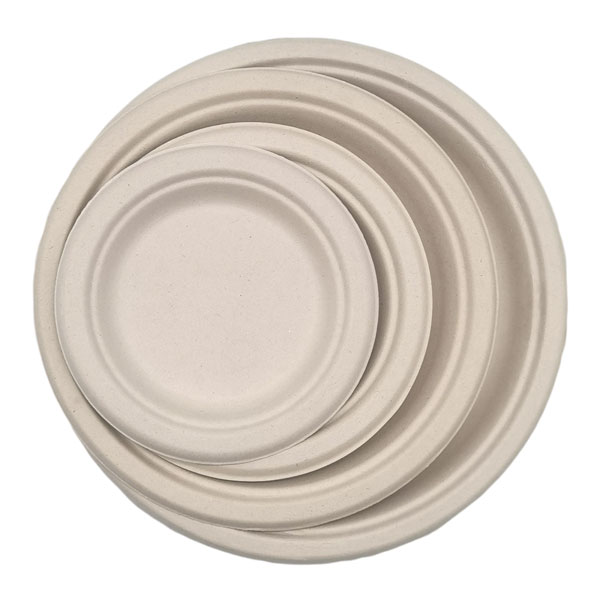
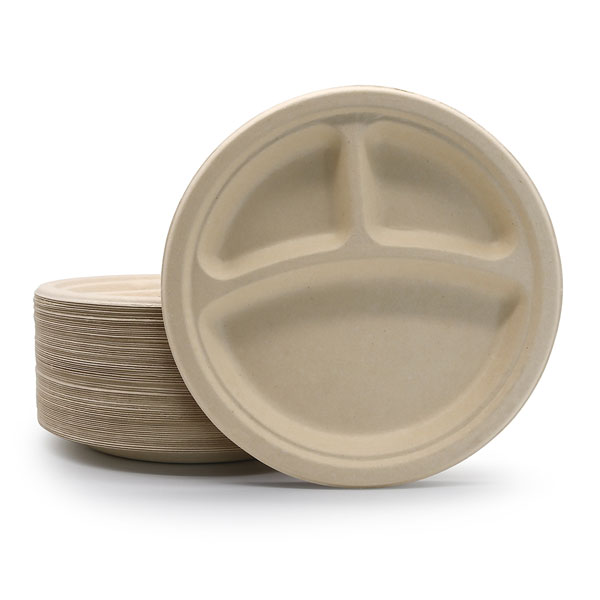
The journey of a traditional foam cooler ends in a landfill for centuries. Our sugarcane pulp box exemplifies a circular economy. After its primary use, it can be collected in a commercial composting stream. Within months, it breaks down into nutrient-rich compost, returning to the earth to support new growth—closing the loop beautifully. This lifecycle completes the narrative that begins with your choice of sustainable compostable plates for serving, ensuring your commitment to the environment is consistent from plate to package.
Adopting this eco-packaging solution is designed for ease. We offer customization in sizes, dimensions, and branding to fit your specific product dimensions and logistical needs. Performance is guaranteed, ensuring no compromise on the safety and quality of your temperature-sensitive goods. By partnering with us, you invest in a system that protects your products, your profits, and the planet simultaneously.
The data is clear: high performance and environmental stewardship are no longer mutually exclusive. Sugarcane pulp insulation technology delivers on the core promise of the cold chain—reliable temperature control—while dramatically reducing energy use and waste. It represents a smarter, cleaner, and more responsible way to do business. Ready to cool your products and your carbon footprint? Let's discuss how to customize this sustainable solution for your brand's unique journey.