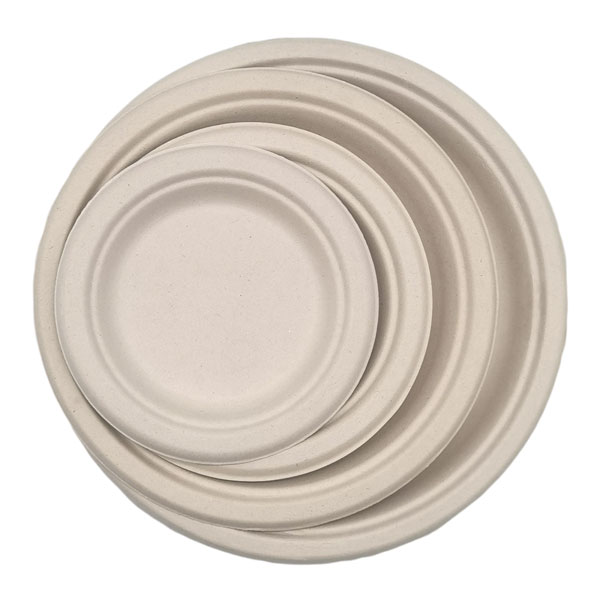
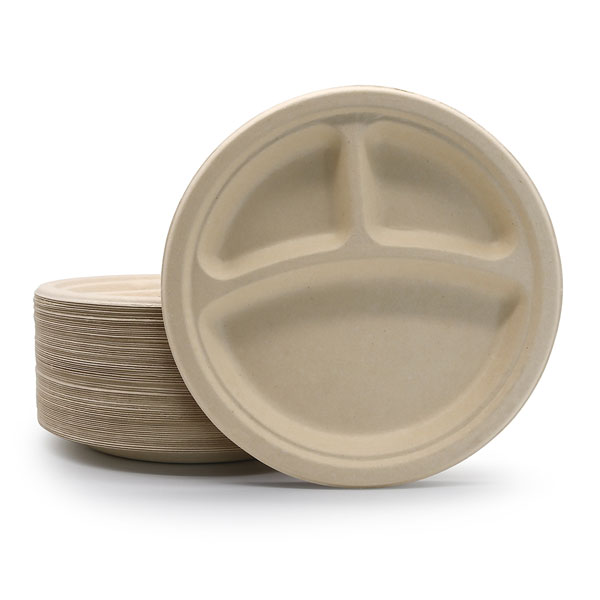
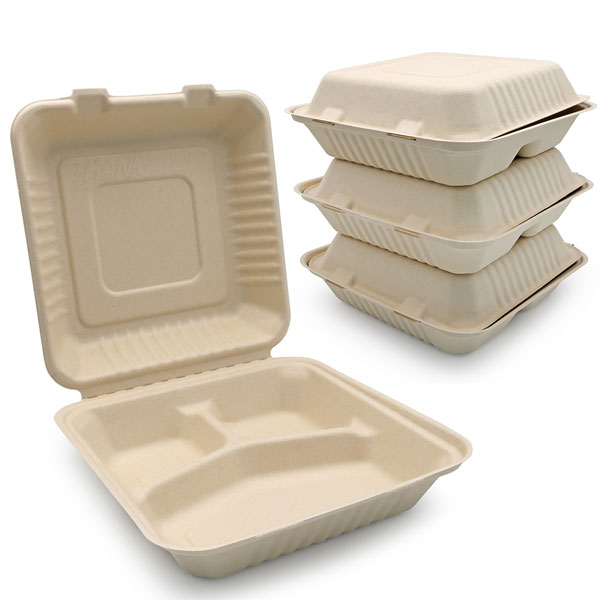
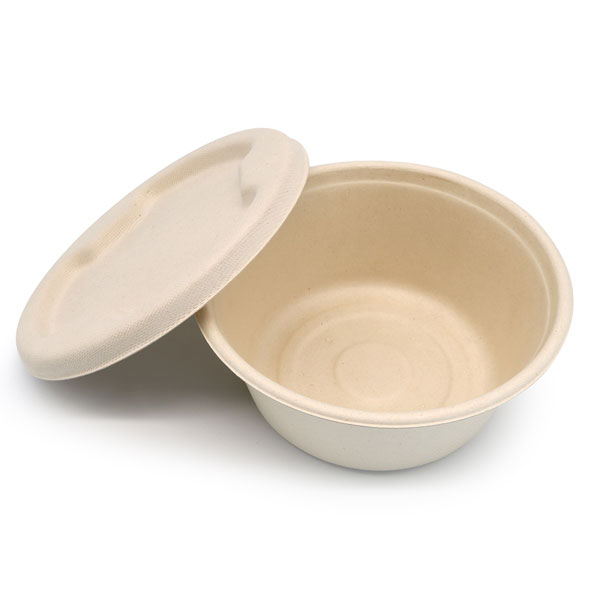
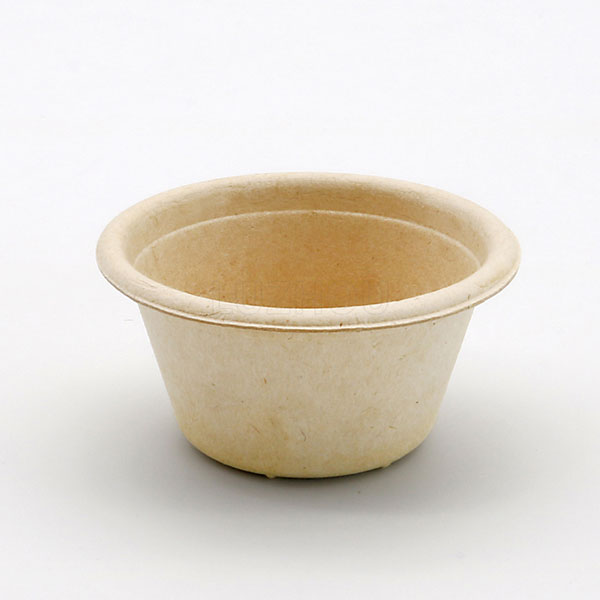
For international cruise lines, the majestic ocean view from the deck has long been shadowed by a pressing environmental responsibility. Single-use plastics, especially from food service, posed a significant threat, contributing to ocean pollution and drawing criticism from environmentally conscious passengers. The challenge was clear: find a packaging solution that matched the luxury experience but aligned with planetary stewardship. The answer emerged not from advanced polymers, but from nature's own design: compostable plates made from sugarcane pulp.
One prominent cruise line embarked on a comprehensive packaging reform, targeting its buffet and casual dining services. The core intervention was replacing traditional plastic and coated paper plates with durable, aesthetically pleasing compostable plates derived from sugarcane bagasse—a fibrous byproduct of sugar extraction.
The transition was phased, starting with specific dining zones. Key steps included: partnering with a certified supplier for marine-grade compostable tableware, crew training on proper waste segregation (compost vs. recycle), and installing dedicated collection bins labeled for compostable items. Onshore, partnerships were established with industrial composting facilities in key port cities to process the waste, creating a closed-loop system.
The data from a full operational year revealed a transformation that exceeded expectations.
1. 60% Reduction in Ocean-Bound Packaging Waste: By switching to compostable plates, the cruise line dramatically cut non-degradable waste. These plates, when properly processed, break down into nutrient-rich compost within months, unlike plastics that persist for centuries. This directly reduced the volume of waste potentially entering marine ecosystems.
2. 40% Improvement in Passenger Eco-Evaluation Scores: Passenger surveys introduced a new metric: environmental satisfaction. Post-implementation, scores skyrocketed. Travelers actively noted and appreciated the tangible eco-friendly efforts. The use of clearly labeled, natural-feeling compostable plates became a visible symbol of the brand's commitment, enhancing its reputation and passenger loyalty.
This case underscores why compostable plates are a strategic upgrade for B2B clients in hospitality and beyond:
• Brand Alignment with Values: They provide a physical touchpoint that communicates environmental responsibility directly to the end-user.
• Waste Stream Simplification: They offer a clear end-of-life solution (commercial composting), moving away from problematic "wish-cycling" of contaminated plastics.
• Performance Parity: Modern sugarcane pulp compostable plates are leak-resistant, microwave-safe, and sturdy enough for cruise-line cuisine, debunking myths about inferior functionality.
For businesses inspired by this case, the journey begins with assessment. Audit your current single-use items, identify high-volume products like plates for initial replacement, and source certified (e.g., BPI, TUV) compostable plates. Crucially, integrate waste management planning from the start—education and proper infrastructure are as vital as the product itself.
The voyage toward sustainability is no longer optional; it's a course passengers and the planet demand. As this cruise line demonstrated, strategic choices like adopting compostable plates are powerful rudders, steering brands toward cleaner oceans, enhanced customer approval, and a genuinely greener horizon.