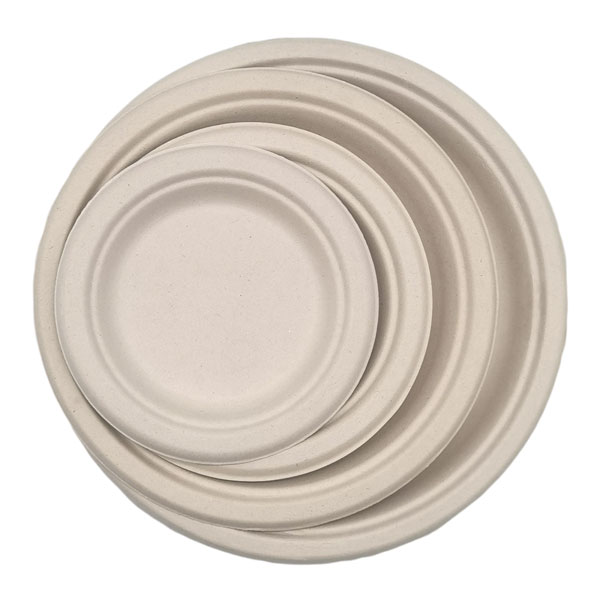
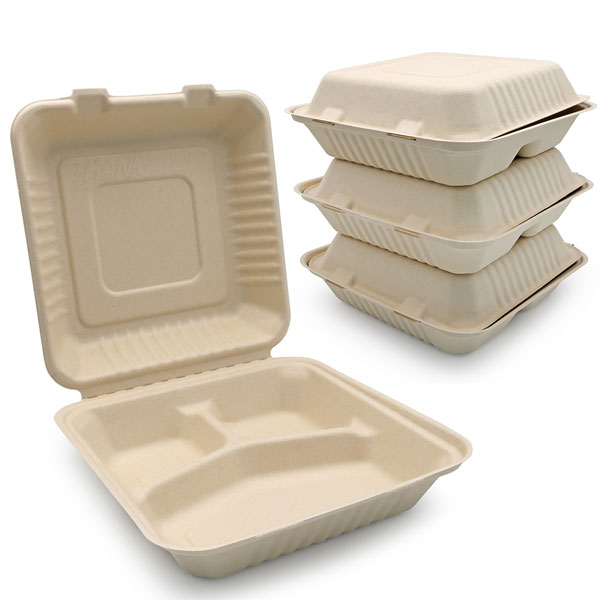
Organizing catering for a massive sports event is a logistical feat. But for one premier stadium, the biggest challenge wasn't feeding the crowds—it was dealing with the aftermath: mountains of single-use plastic waste that contradicted their new sustainability charter. The goal was clear: host a zero-waste event without compromising on convenience, hygiene, or cost-effectiveness. The solution? A full-scale shift to custom-branded compostable plates and food containers made from sugarcane bagasse.
Event planners often fear that "eco-friendly" means "less durable." This case study proved the opposite. Sugarcane bagasse, the fibrous byproduct of sugar extraction, creates plates that are sturdy enough for hot, greasy stadium food and leak-resistant for saucy dishes. Unlike some bioplastics, these compostable plates are designed for commercial composting facilities, breaking down into nutrient-rich soil within 90 days, completing a natural cycle. This directly addressed the core pain points: performance matching plastic and a verifiable end-of-life solution that truly diverted waste from landfill.
The success wasn't just in the product swap. It was in the integrated system:
1. Clear Stream Separation: Bold, color-coded bins labeled "Compostables Only" for bagasse items and "Recycling" were placed throughout the venue. Staff and volunteers were trained to guide attendees.
2. Custom Branding as a Marketing Tool: Each compostable plate was imprinted with the stadium's logo and a simple message: "I'm compostable! Return me to a green bin." This turned every meal into a brand touchpoint and an educational moment.
3. Partnering with Local Composters: Pre-event agreements with a commercial composting facility ensured the collected waste had a guaranteed destination, turning a cost center (waste removal) into a sustainability story.
The outcomes were quantified and impressive:
• 98% Waste Diversion Rate: Nearly all catering waste was composted or recycled, achieving the zero-waste-to-landfill target.
• 200% Increase in Brand Exposure: This is the standout figure. How? The unique, branded compostable plates sparked massive social media engagement. Attendees posted photos with the distinctive tableware, tagging the stadium. Local and sustainability-focused news outlets covered the story. The visual, tangible commitment to the environment generated more authentic publicity than any traditional ad campaign could.
• Positive Sponsor Alignment: Corporate sponsors associated their brands with a forward-thinking, successful initiative, enhancing their own ESG (Environmental, Social, and Governance) profiles.
This case study demonstrates that sustainable catering is no longer a niche choice but a strategic brand decision. Switching to durable, custom compostable plates made from sugarcane bagasse provides a triple win: it meets rigorous environmental goals, performs flawlessly under pressure, and creates a unique narrative that audiences love to share. It transforms a disposable item from invisible waste into a visible brand asset, driving exposure and building lasting goodwill with an environmentally conscious public. For B2B clients in catering, events, or hospitality, this is the blueprint for turning sustainability obligations into remarkable marketing opportunities.