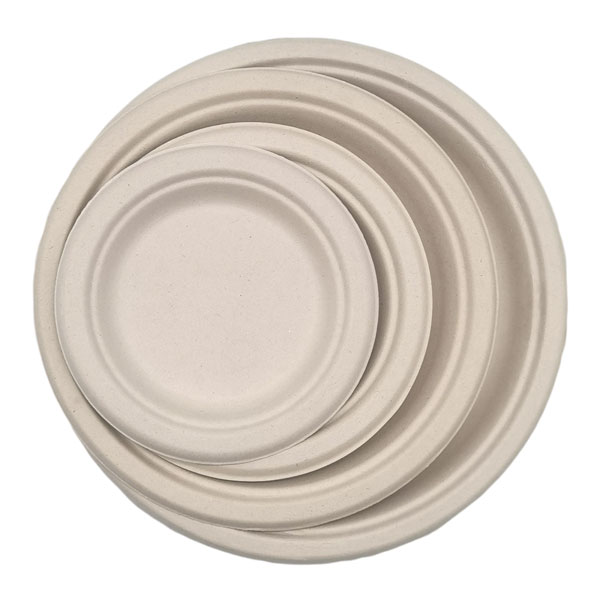
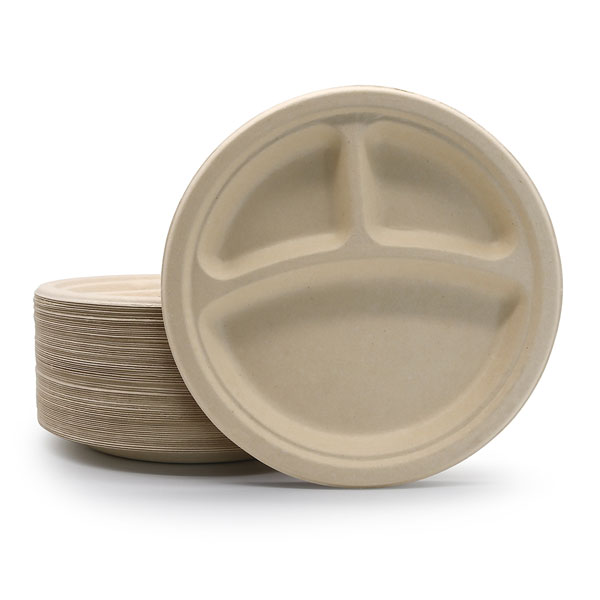
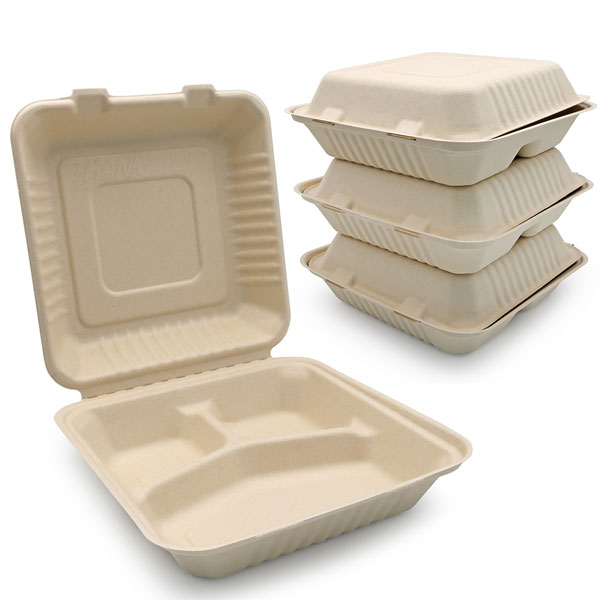
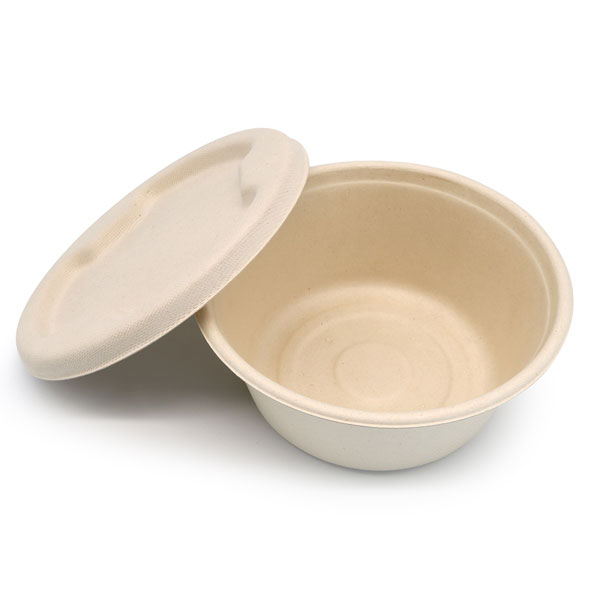
The 2024 Carbon Border Adjustment Mechanism (CBAM) is set to reshape global trade, imposing carbon tariffs on imports into the EU and other regions. For export-oriented enterprises, this presents a significant financial risk—potentially adding up to 12% in costs for carbon-intensive products. However, a powerful solution lies in sustainable packaging, specifically compostable plates made from sugarcane bagasse. This article explores how adopting this eco-friendly alternative can be a cornerstone of your CBAM compliance strategy, helping you avoid tariffs, meet consumer demand, and enhance your brand's global standing.
The CBAM is designed to level the playing field by ensuring imported goods bear carbon costs similar to those produced within the EU. Initially targeting sectors like cement, steel, and aluminium, its scope is expected to expand. For businesses exporting goods packaged with conventional plastics or other high-carbon materials, the indirect emissions from packaging could soon fall under scrutiny. This translates to increased costs and reduced market access. The urgency to decarbonize supply chains has never been greater.
Sugarcane bagasse, the fibrous residue left after juice extraction, is a rapidly renewable resource. Compostable plates manufactured from this material offer a circular solution with a minimal carbon footprint. Unlike petroleum-based plastics, their production is carbon-neutral or even carbon-negative, as sugarcane plants absorb CO2 during growth. By integrating these plates into your export packaging, you directly reduce the embodied carbon of your product, creating a verifiable data point to lower your CBAM liability.
1. Enhanced Brand Value: Global consumers and B2B clients increasingly prefer sustainable partners. Using compostable plates signals your commitment to environmental stewardship, strengthening your brand reputation.
2. Supply Chain Resilience: Bagasse is an agricultural by-product, ensuring a stable, price-resilient supply chain less vulnerable to fossil fuel market volatility.
3. Waste Reduction & Compliance: These plates meet international compostability standards (e.g., EN 13432, ASTM D6400), helping clients in target markets comply with local plastic reduction laws, adding another layer of marketability.
Transitioning to sugarcane bagasse compostable plates requires a strategic approach. Begin with a carbon footprint audit of your current packaging. Partner with a certified supplier who can provide Life Cycle Assessment (LCA) data to quantify emission reductions—a crucial document for CBAM reporting. Customize plates with your branding to turn packaging into a marketing tool. Communicate this shift clearly in your export documentation and marketing materials to demonstrate proactive compliance to EU importers and regulators.
In conclusion, the 2024 CBAM is not just a regulatory hurdle but a catalyst for innovation. Proactively adopting compostable plates from sugarcane bagasse positions your export enterprise as a forward-thinking leader. It's a tangible step to mitigate financial risk from carbon tariffs, future-proof your operations against expanding regulations, and unlock a competitive edge in the eco-conscious global marketplace. Start your transition today to protect your margins and the planet.