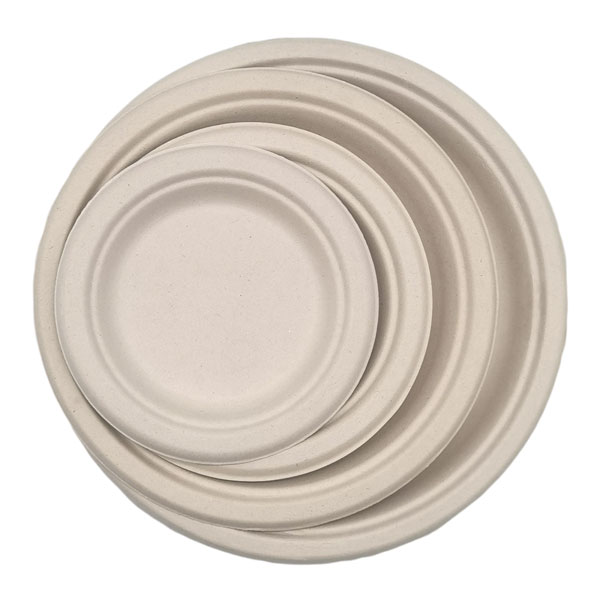
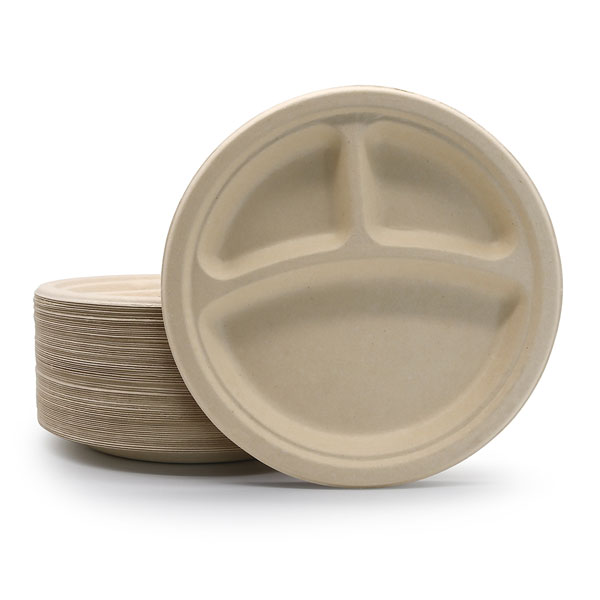
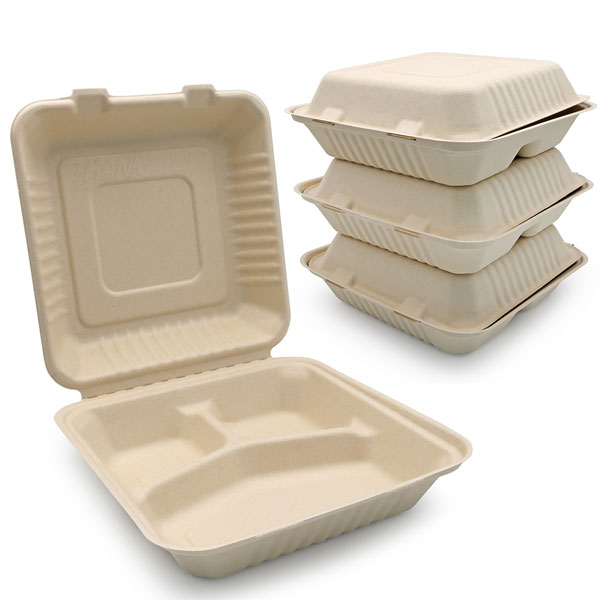
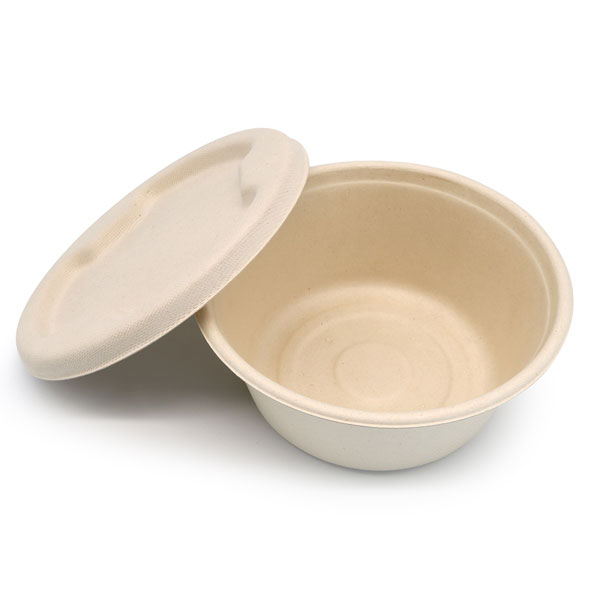
In the evolving landscape of sustainable business, the circular economy is no longer a niche concept but a core driver of innovation and profitability. For forward-thinking B2B companies, particularly in the food service, catering, and events sectors, packaging has become a critical touchpoint. Traditional single-use plastics are a growing liability, damaging brand reputation and failing to meet stringent environmental regulations. This is where a powerful innovation emerges: integrating compostable plates made from bagasse—a fibrous byproduct of sugarcane—into a transformative Packaging-as-a-Service (PaaS) business model. This synergy is not just about selling a product; it's about delivering a closed-loop system that enhances operational efficiency, solidifies brand loyalty, and demonstrably increases Customer Lifetime Value (CLV).
The PaaS model shifts the paradigm from a one-time transactional sale to an ongoing, service-oriented relationship. Instead of merely purchasing disposable ware, clients subscribe to a system that includes the supply, collection, and responsible end-of-life processing of packaging materials. The primary pain point for B2B clients is the complexity and cost of achieving genuine sustainability. Greenwashing is risky, and managing waste streams internally is burdensome. A PaaS model powered by truly circular materials like bagasse compostable plates directly addresses this. It offers a turnkey solution: clients receive premium, functional packaging, and the provider ensures it is composted industrially, completing the nutrient cycle and providing verified environmental impact data.
Not all "eco-friendly" materials are created equal. Bagasse stands out as the perfect substrate for a reliable and scalable PaaS model for several reasons:
Performance & Client Satisfaction: Bagasse plates are sturdy, microwave-safe, and resistant to leaks, meeting the practical demands of professional food service. This eliminates the performance anxiety associated with some green alternatives, ensuring client and end-customer satisfaction.
Verified Circularity: Unlike materials that merely degrade or require specific conditions, bagasse is a rapidly renewable agricultural waste product. When collected post-use and processed in industrial composting facilities, it turns into nutrient-rich soil within weeks. This creates a tangible, trackable loop that PaaS clients can proudly report on.
Supply Chain Resilience: Derived from a widely available byproduct, bagasse offers a more stable and ethical supply chain than plastic resins or forest-based products, de-risking the long-term service contract for both provider and client.
How does this model translate into a staggering 35% potential increase in Customer Lifetime Value? The mechanism is multifaceted:
1. Reduced Churn Through Deep Integration: A PaaS contract based on reliable compostable plates embeds your service into the client's core operations. Switching providers becomes complex, fostering long-term retention.
2. Upselling & Cross-Selling Ecosystem: The ongoing relationship opens doors for providing complementary circular products—compostable cutlery, containers, or cups—all under the same seamless service umbrella, increasing revenue per account.
3. Brand Value & Partnership Alignment: You are no longer a vendor but a sustainability partner. Helping clients achieve their ESG (Environmental, Social, and Governance) goals and improve their public image makes your service strategically invaluable, justifying premium pricing and insulating from cost-based competition.
4. Data-Driven Insights & Loyalty: The PaaS model generates valuable data on usage and waste diversion. Providing these analytics to clients helps them optimize their operations, creating a sticky, value-added relationship that transcends simple procurement.
To capitalize on this 2024 innovation, businesses must build their offering around three pillars: Education (clearly communicating the science and benefits of bagasse composting), Infrastructure (partnering with industrial composters to guarantee the loop is closed), and Transparency (using technology to track and report impact). Your marketing should highlight the dual benefit: operational simplicity for the client and a powerful, marketable sustainability story for their brand.
The future of B2B packaging is circular, service-oriented, and built on genuinely sustainable materials. By pioneering a Packaging-as-a-Service model centered on high-performance compostable plates made from bagasse, you offer more than a product—you offer a strategic advantage. This is the innovation that reduces environmental footprint while building resilient, profitable, and long-lasting customer relationships, driving the circular economy forward and securing your bottom line.