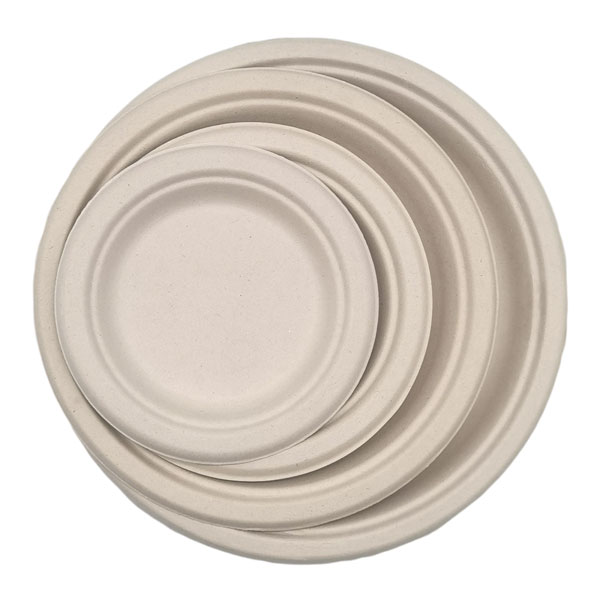
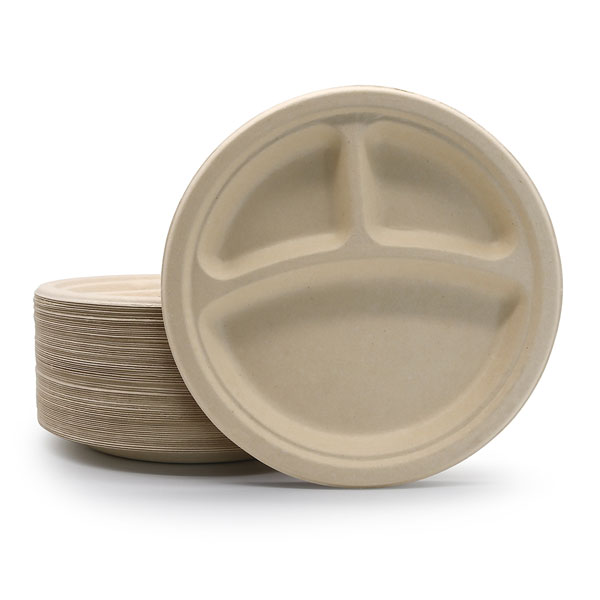
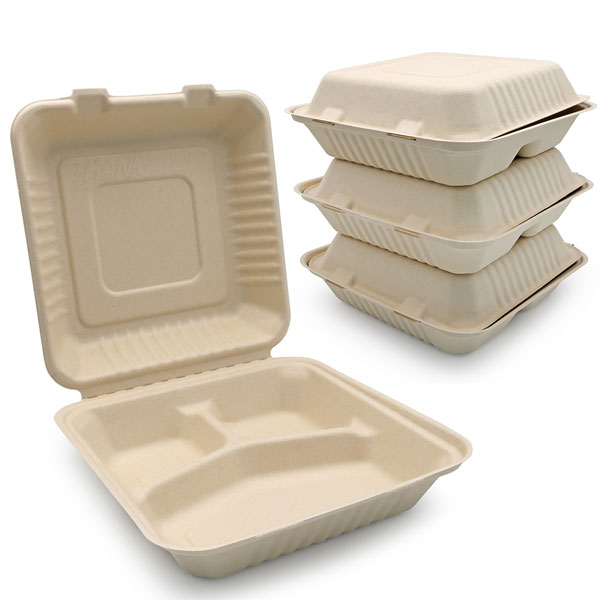
The sustainable packaging industry is undergoing a radical transformation. In 2024, digital twin technology emerges as the game-changer for designers and manufacturers committed to the planet. This virtual revolution is particularly impactful for developing advanced bagasse-based solutions, where precision and speed are paramount. For businesses seeking durable, functional, and truly sustainable compostable plates, this technological leap is unlocking possibilities previously constrained by time and physical prototyping costs.
Traditional development of bagasse packaging—made from sugarcane fiber—relies heavily on iterative physical prototyping. Each design change requires creating a new mold, producing a sample, and conducting rigorous biodegradability and strength tests. This process is not only slow, often taking months, but also generates material waste, ironically counter to the eco-friendly mission. The uncertainty in performance prediction leads to costly over-engineering or, worse, product failure. This is the critical pain point for brands that need reliable, high-performance compostable plates to meet market demand swiftly.
A digital twin is a dynamic, virtual replica of a physical product or process. In packaging design, it simulates everything from material composition and structural integrity to thermal behavior and decomposition rates in industrial composting facilities. By inputting the specific properties of bagasse pulp, designers can now observe how a plate design will perform under real-world stress, moisture, and heat—all within a digital environment.
The application trend for 2024 shows clear, measurable benefits. Virtual simulation allows for thousands of design iterations in the time it takes to produce a single physical prototype. Companies report reducing the bagasse packaging development cycle by 50%, accelerating time-to-market for innovative compostable plates. Furthermore, advanced material modeling achieves up to 90% accuracy in performance prediction for attributes like load-bearing capacity, liquid resistance, and compostability timeline. This precision drastically reduces the risk and resource expenditure associated with new product launches.
This trend is more than an efficiency tool; it's a catalyst for innovation. Designers can experiment with complex, strength-optimized geometries for compostable plates that were once too expensive to prototype. They can precisely calibrate material thickness to minimize resource use while ensuring functionality, pushing the boundaries of what's possible with bagasse. For B2B clients, this means accessing highly customized, performance-guaranteed sustainable packaging solutions faster and with greater confidence than ever before.
As we move through 2024, integrating digital twin technology is becoming a strategic imperative for leaders in eco-friendly packaging. It represents the perfect synergy of environmental stewardship and cutting-edge innovation, ensuring that the next generation of compostable plates is not only kinder to the earth but also superior in performance and brought to market with unprecedented speed.