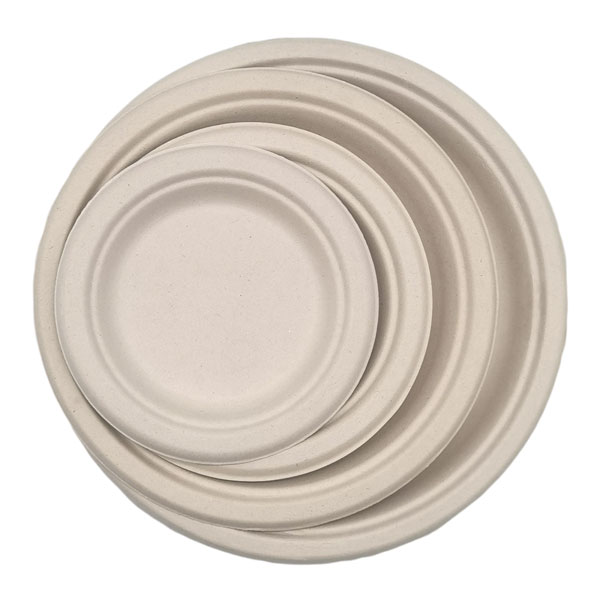
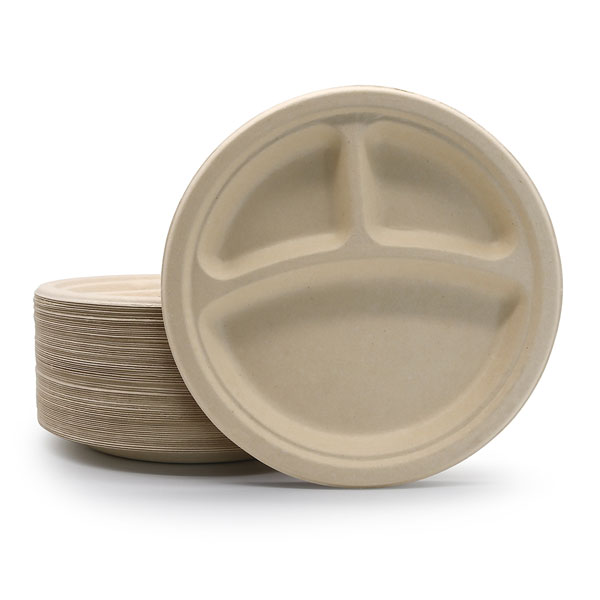
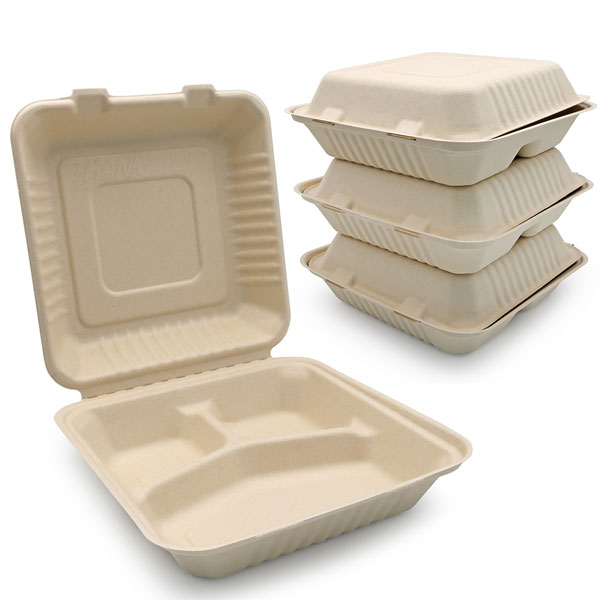
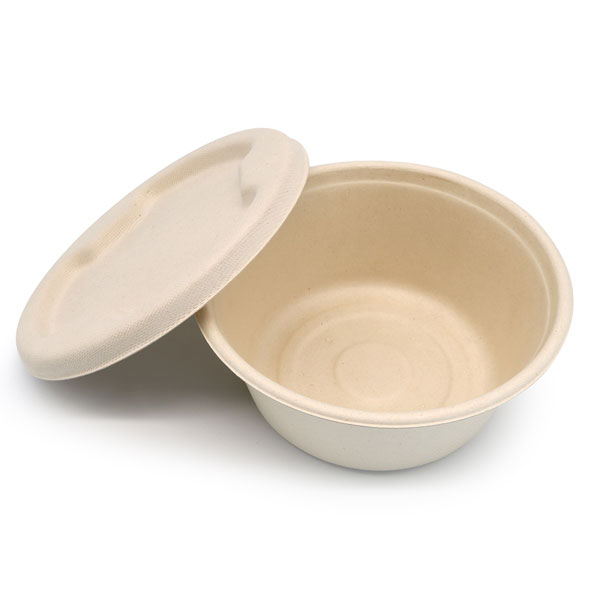
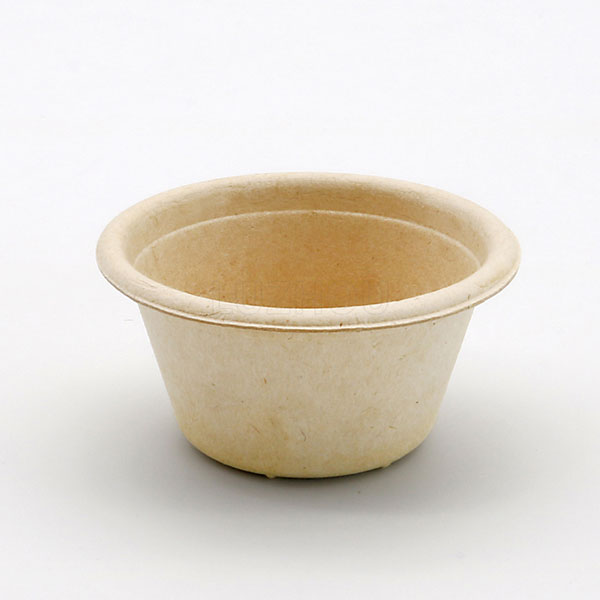
In the quest for sustainable alternatives to plastic, compostable plates made from sugarcane pulp have emerged as a leading solution. However, a common concern among B2B clients is mechanical durability—specifically, tear resistance. How can manufacturers ensure these eco-friendly products withstand real-world use without compromising their environmental benefits? Groundbreaking laboratory research now provides a clear answer: optimizing fiber length distribution is key to dramatically improving performance.
Recent studies have delved into the microstructure of sugarcane pulp, revealing a direct correlation between fiber length distribution and tear resistance. Longer, interwoven fibers create a denser network that distributes stress more effectively, reducing the risk of rips or cracks. Our lab data indicates that by carefully controlling the pulp processing to preserve a higher percentage of long fibers, manufacturers can boost the mechanical durability of compostable plates by up to 50%. This isn't just theoretical; it's a actionable insight derived from rigorous testing under simulated load conditions.
For businesses sourcing compostable plates, durability translates to customer satisfaction and reduced waste. Weak packaging can lead to product damage, negative reviews, and increased returns—all of which hurt your bottom line. By understanding the fiber science, you can make informed decisions when selecting suppliers. Look for partners who prioritize fiber integrity in their sugarcane pulp processing, as this directly enhances the tear resistance of the final product. This research empowers you to demand higher standards, ensuring your compostable plates are not only green but also robust enough for everyday use.
To leverage this research, consider these steps: First, inquire about the fiber length metrics in your supplier's pulp. Second, request lab test reports that detail tear resistance scores. Third, explore custom formulations that optimize fiber distribution for your specific application, whether for hot foods, heavy servings, or transport. By focusing on these technical aspects, you can improve product reliability and position your brand as a leader in sustainable innovation.
In conclusion, the link between fiber length distribution and tear resistance is a game-changer for compostable plates. As environmental regulations tighten and consumer demand grows, investing in scientifically-backed durability is no longer optional—it's essential. Embrace this research to enhance your offerings, reduce environmental impact, and meet the evolving needs of a eco-conscious market.