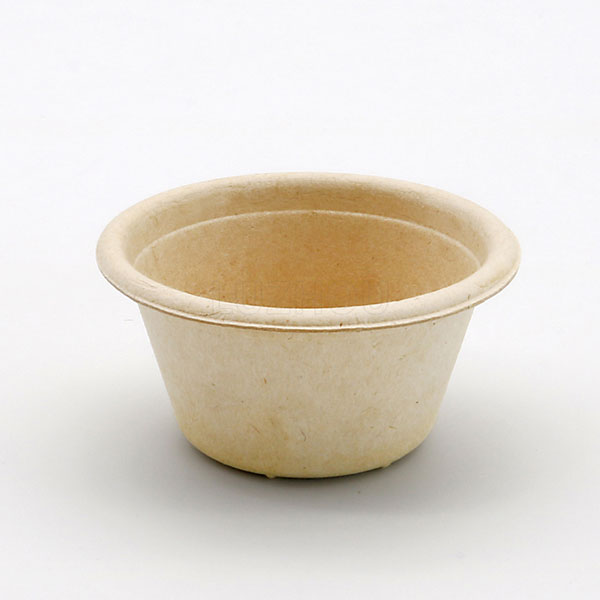
In today's eco-conscious market, businesses face mounting pressure to reduce waste and cut operational costs. Traditional plastic and foam packaging often lead to high waste disposal fees and environmental penalties. However, a shift to compostable plates made from sugarcane pulp offers a compelling solution. This cost-benefit analysis explores how this sustainable switch can help your company cut waste removal costs by 40% or more while aligning with zero-waste initiatives.
Many corporations underestimate the true expense of waste disposal. Landfill fees, transportation costs, and regulatory compliance for non-recyclable materials like plastic plates add up quickly. In the U.S., commercial waste removal fees have risen by over 5% annually, straining budgets. Additionally, businesses risk reputational damage as consumers and partners prioritize sustainability. By sticking with traditional options, companies miss out on tax incentives for green practices and face potential fines for excess waste.
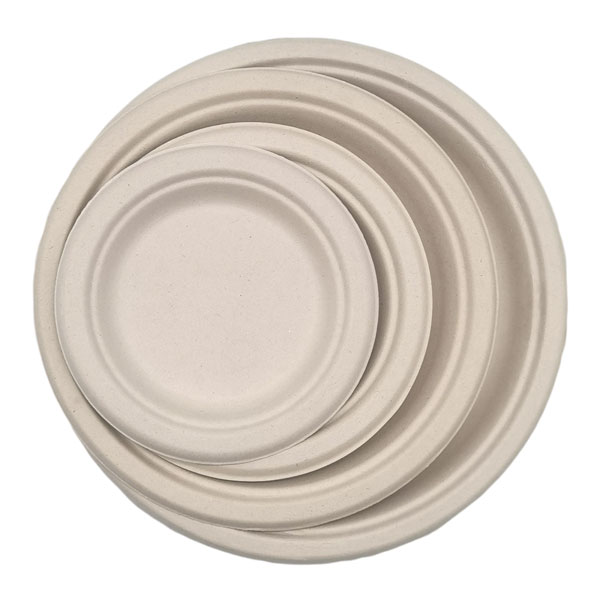
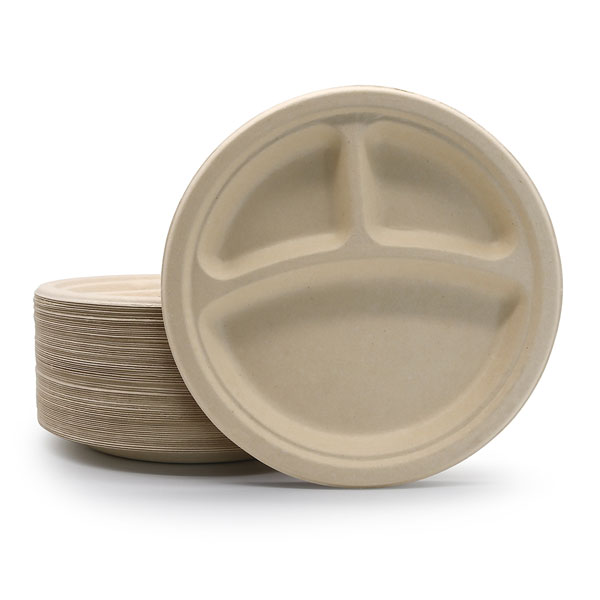
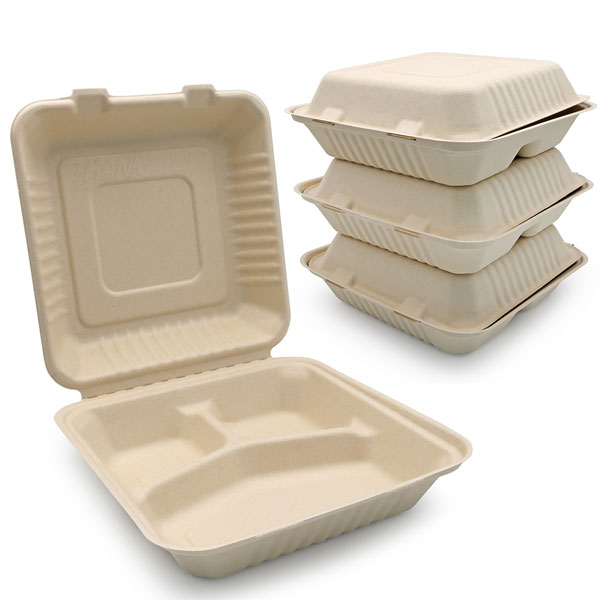
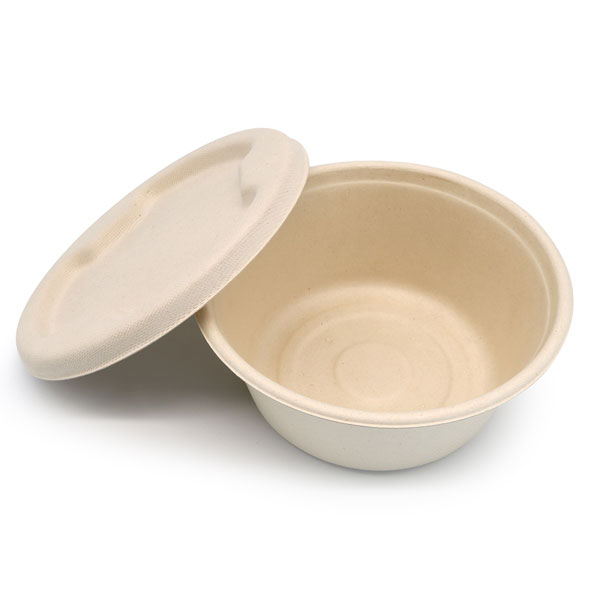
Sugarcane pulp compostable plates are derived from bagasse, a byproduct of sugar production. Unlike plastics, these plates break down entirely in commercial composting facilities, diverting waste from landfills. This directly lowers waste volume, leading to reduced pickup frequency and lower disposal fees. For example, a mid-sized catering company reported a 40% decrease in waste costs after switching to compostable plates, as their waste stream became lighter and more manageable. Moreover, many municipalities offer discounts for businesses using compostable materials, further enhancing savings.
Transitioning to compostable plates is a strategic move toward zero waste. Start by auditing your current waste output to identify areas where sugarcane pulp products can replace plastics. Partner with a composting service to ensure proper disposal, turning used plates into nutrient-rich soil instead of trash. Educate your team and clients on the benefits—this not only boosts your brand's eco-image but also encourages broader adoption. Over time, this closed-loop system minimizes landfill contributions, helping you meet sustainability targets while cutting costs.
The return on investment for compostable plates extends beyond waste fee reductions. Financially, businesses can save thousands annually on disposal, while potentially qualifying for green certifications that attract B2B clients. Environmentally, sugarcane pulp is carbon-neutral and renewable, reducing your carbon footprint. A case study from a corporate event planner showed that using compostable plates led to a 50% drop in waste-related expenses and a 30% increase in client satisfaction due to enhanced eco-credentials. By integrating these plates into your operations, you invest in long-term resilience and market competitiveness.
In conclusion, adopting compostable plates from sugarcane pulp isn't just an ethical choice—it's a smart financial strategy. By reducing waste volume and disposal fees, your business can achieve significant savings and progress toward zero waste. Start your cost-benefit analysis today to see how this sustainable switch can transform your bottom line and environmental impact.