For fresh meat companies, packaging serves a critical dual purpose: preserving product quality and ensuring consumer safety. Traditional plastic packaging, while effective in some respects, poses significant challenges that are increasingly difficult to ignore. Chemical migration from plastics into food products, particularly fatty foods like meat, has become a major concern for both regulators and consumers. This migration risk is amplified during the cold chain process, where temperature fluctuations can accelerate the transfer of potentially harmful compounds from packaging to product.
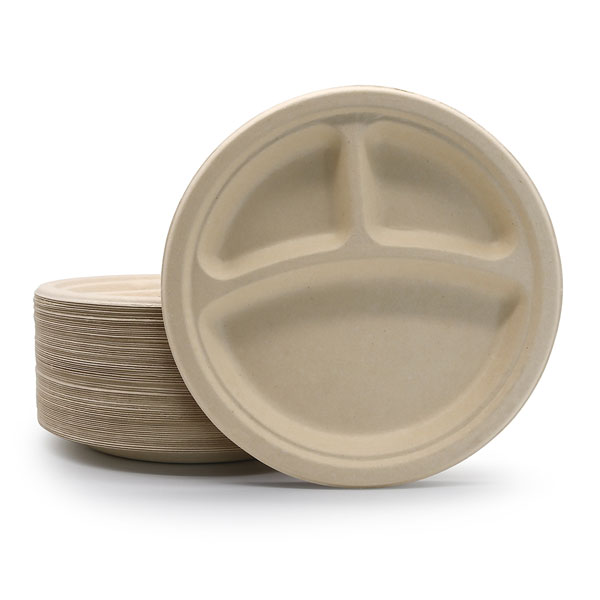
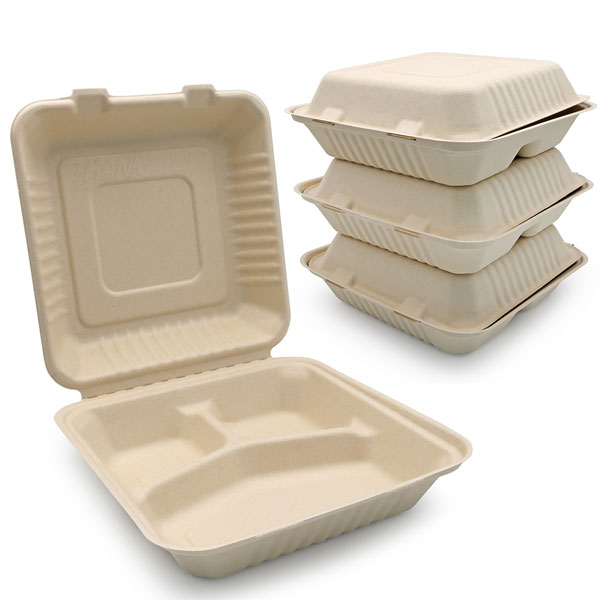
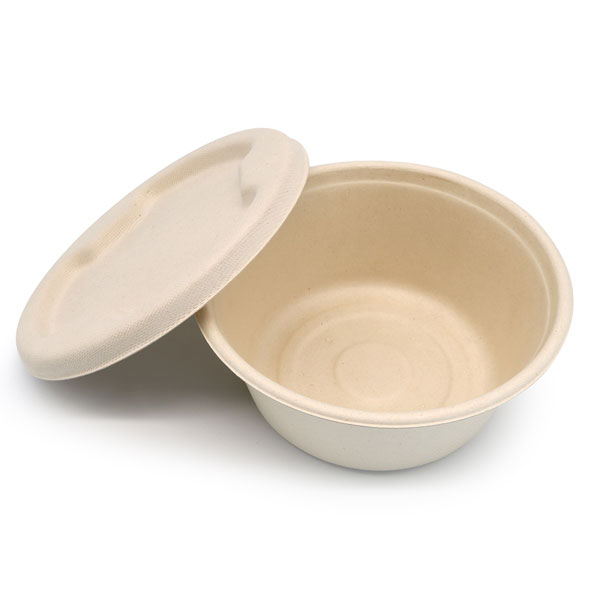
Sugarcane bagasse, the fibrous byproduct left after juice extraction, has emerged as a revolutionary material for food packaging. Unlike conventional plastics, bagasse-based compostable plates and containers are completely free from petroleum-based chemicals that can migrate into food. The natural cellulose structure of bagasse creates a barrier that doesn't require chemical additives for strength or moisture resistance. For fresh meat companies, this means eliminating one of the most significant contamination risks in their supply chain.
One of the most compelling advantages of bagasse packaging for fresh meat companies is its performance in cold chain environments. Unlike some biodegradable alternatives that weaken when exposed to moisture, high-quality compostable plates made from bagasse maintain their structural integrity even in high-humidity refrigeration and freezing conditions. The material's natural thermal insulation properties help maintain consistent temperatures, reducing the risk of temperature abuse during transportation and storage. This enhanced cold chain safety directly translates to longer shelf life and reduced product waste.
Chemical migration from plastic packaging occurs when compounds like phthalates, bisphenol A (BPA), and other additives transfer from packaging to food. This risk is particularly pronounced with fresh meat due to its fat content, which can absorb these chemicals more readily. Bagasse compostable plates and packaging eliminate this concern entirely. Being derived from natural plant fibers, they contain no synthetic chemicals that could migrate into food products. Independent laboratory testing consistently shows zero detectable chemical migration from bagasse packaging to food products, even under extreme temperature conditions.
Beyond safety considerations, bagasse packaging offers fresh meat companies significant business advantages. Consumers are increasingly seeking out brands that demonstrate environmental responsibility. By switching to compostable plates and packaging, meat companies can position themselves as sustainability leaders in their category. The compostable nature of bagasse packaging means it can be commercially composted after use, diverting waste from landfills and creating valuable compost for agriculture. This creates a complete circular economy story that resonates with today's environmentally conscious consumers.
Modern bagasse packaging technology allows for extensive customization to meet the specific needs of fresh meat companies. From portion-controlled compostable plates for pre-packaged cuts to larger trays for family-sized portions, manufacturers can create packaging solutions tailored to their product lines. Advanced manufacturing techniques enable features like leak-resistant barriers, secure lids, and even modified atmosphere packaging capabilities—all while maintaining the compostable and migration-free properties that make bagasse so valuable.
As food safety regulations continue to evolve, particularly regarding packaging materials and chemical migration limits, bagasse compostable plates and packaging offer a future-proof solution. These materials typically exceed current regulatory requirements for food contact safety. Additionally, with increasing legislation targeting single-use plastics in many markets, adopting compostable alternatives positions fresh meat companies ahead of regulatory curves, avoiding potential compliance issues and associated costs.
Transitioning to bagasse packaging requires careful planning but offers substantial long-term benefits. Start with a pilot program for specific product lines to validate performance in your specific cold chain conditions. Work with experienced manufacturers who understand the unique requirements of fresh meat packaging. Consider consumer education components to highlight the safety and sustainability benefits of your new packaging. Many companies find that the marketing advantages alone justify the transition, with increased brand loyalty and market share among environmentally conscious consumers.
For fresh meat companies seeking to reduce plastic usage while enhancing product safety, bagasse-based compostable plates and packaging represent an ideal solution. By eliminating chemical migration risks, improving cold chain performance, and meeting growing consumer demand for sustainable options, this innovative packaging approach addresses multiple business challenges simultaneously. As the food industry continues to evolve toward greater sustainability and safety, bagasse packaging stands out as a practical, effective, and environmentally responsible choice for forward-thinking fresh meat companies.