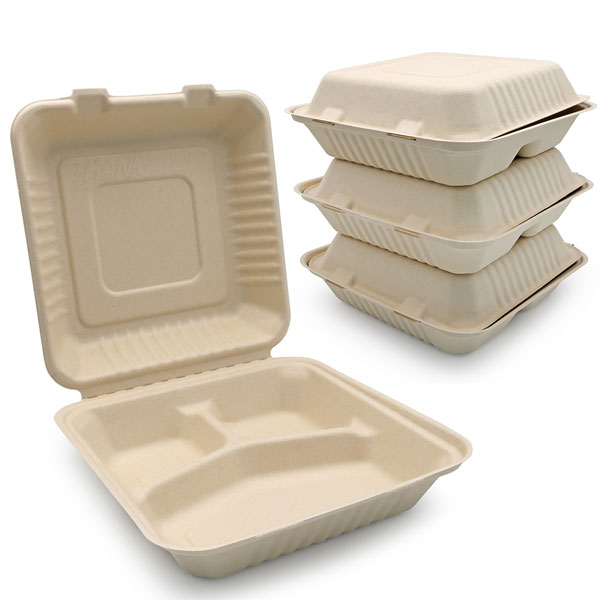
Chain restaurants face unique sustainability challenges in today's platform-driven delivery ecosystem. With multiple ordering channels, diverse customer bases, and complex logistics, achieving meaningful recovery rates for takeaway packaging seems nearly impossible. Traditional single-use plastics create environmental liabilities, while poorly designed compostable alternatives often end up in landfills due to inadequate recovery infrastructure. The solution lies in a purpose-built circular system that adapts to platform-specific processes while leveraging the natural advantages of bagasse-based compostable plates.
Modern chain restaurants operate across multiple platforms - from direct online ordering to third-party delivery apps like Uber Eats, DoorDash, and Grubhub. Each platform presents different customer touchpoints, packaging requirements, and recovery opportunities. A successful circular system must integrate seamlessly with these varied processes while maintaining operational efficiency. Bagasse packaging, made from sugarcane fiber, offers the perfect foundation for such a system due to its durability, compostability, and brand-alignment with sustainability values.
Achieving 90% recovery rates requires a holistic approach built on three interconnected pillars:
1. Platform-Integrated Collection Systems: Customized collection points designed for each delivery platform's unique customer journey. For app-based orders, this might include QR-coded packaging with platform-specific return instructions. For direct orders, branded collection bins at strategic locations.
2. Smart Compostable Plates Design: Bagasse plates engineered not just for food safety and durability, but for easy identification and separation in waste streams. Distinctive colors, clear composting symbols, and platform-specific branding help consumers and waste management partners identify and properly process these materials.
3. Data-Driven Recovery Optimization: Tracking systems that monitor recovery rates by platform, location, and packaging type. This data informs continuous improvement of the system and provides measurable sustainability metrics for corporate reporting and marketing.
Why does bagasse excel in circular takeaway systems? Unlike petroleum-based plastics or even some plant-based alternatives, bagasse offers:
- True Compostability: Certified compostable plates break down completely in industrial composting facilities within 90 days
- Carbon Negative Footprint: Sugarcane absorbs more CO2 during growth than is emitted during production and decomposition
- Supply Chain Resilience: As a byproduct of sugar production, bagasse utilizes existing agricultural waste streams
- Brand Enhancement: Premium feel and natural appearance align with consumer expectations for sustainable dining
Transitioning to a circular takeaway system requires careful planning across four phases:
Phase 1: Platform Audit & Customization - Analyze each ordering platform's specific requirements and customer behaviors to design tailored recovery solutions.
Phase 2: Compostable Plates Integration - Source certified compostable plates that meet both functional requirements and recovery system needs.
Phase 3: Partner Ecosystem Development - Establish relationships with composting facilities, waste management partners, and platform representatives.
Phase 4: Launch & Optimization - Implement the system with clear customer communication and continuous performance monitoring.
While achieving 90% recovery is the primary goal, successful circular systems deliver additional benefits:
- Cost Savings: Reduced waste disposal fees and potential revenue from compost production
- Brand Loyalty: Enhanced customer perception and repeat business from environmentally conscious consumers
- Regulatory Compliance: Proactive adaptation to evolving single-use plastic regulations
- Operational Efficiency: Streamlined packaging inventory and waste management processes
As consumer demand for sustainable options grows and regulations tighten, circular systems will become standard for chain restaurants. Early adopters of platform-specific recovery systems using compostable plates position themselves as industry leaders while building resilience against future sustainability challenges. The combination of innovative bagasse packaging and smart recovery processes creates a win-win scenario: environmental responsibility meets operational excellence.
For chain restaurants ready to transform their takeaway operations, the path to 90% recovery begins with understanding platform-specific opportunities and leveraging the natural advantages of compostable plates. The circular economy isn't just an environmental ideal - it's a practical business strategy for forward-thinking restaurant chains.