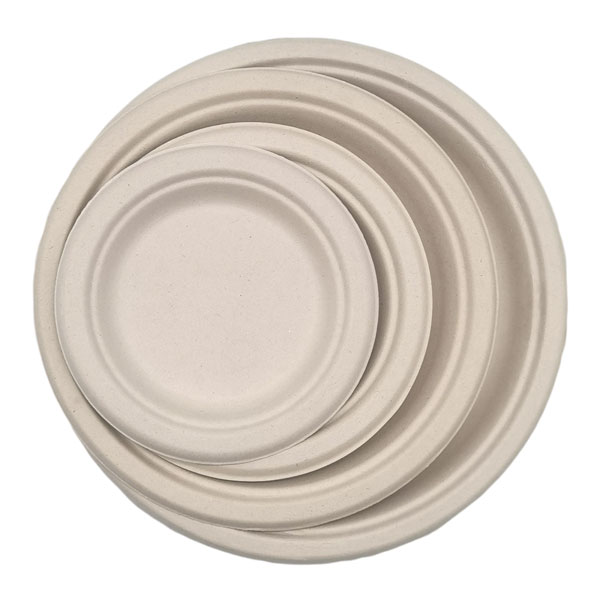
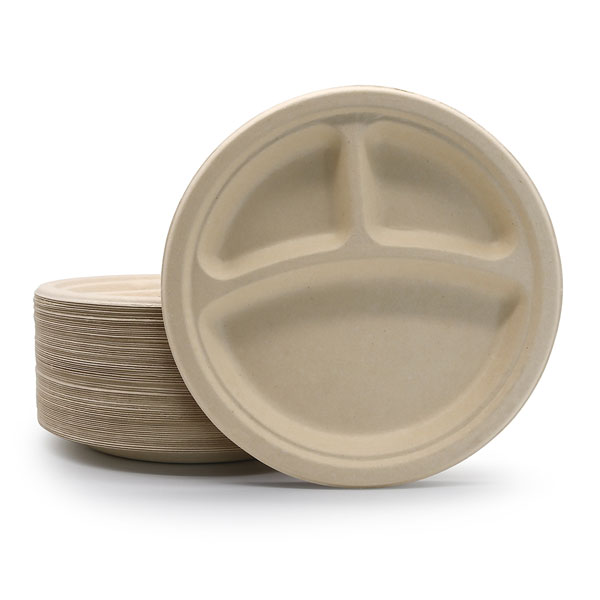
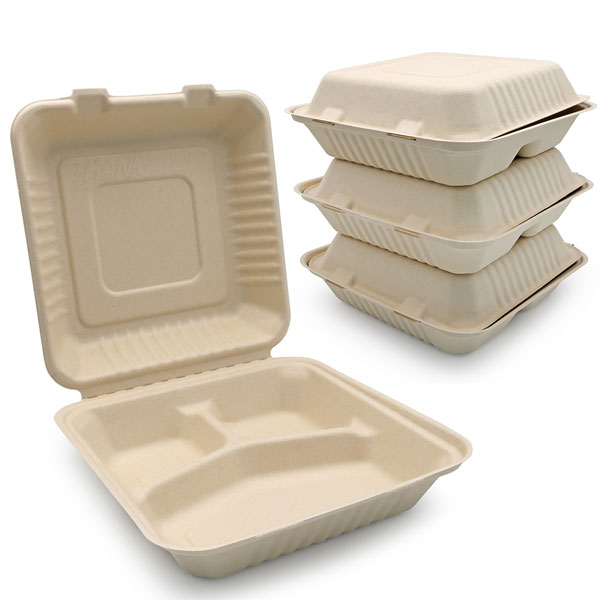
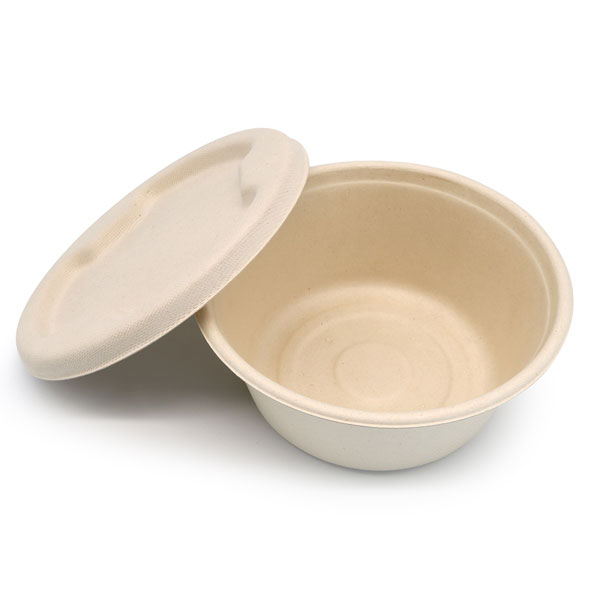
The Latin American market for sustainable packaging is experiencing unprecedented growth, with bagasse-based compostable plates leading the charge. As environmental consciousness rises and regulatory frameworks evolve, businesses across the food sector are seeking reliable, eco-friendly alternatives to traditional plastic and Styrofoam packaging. This comprehensive 2024 update explores the current landscape, scaling opportunities, and regulatory challenges shaping the future of compostable packaging in Latin America.
Latin America's food service industry is undergoing a green transformation, driven by consumer demand, corporate sustainability goals, and increasing regulatory pressure. Compostable plates made from bagasse—a byproduct of sugarcane processing—have emerged as a preferred solution for restaurants, catering services, hotels, and food delivery platforms across the region.
The market growth is particularly notable in countries like Brazil, Mexico, Colombia, and Chile, where urban populations are increasingly concerned about plastic pollution and its environmental impact. According to recent market analysis, the Latin American compostable packaging market is projected to grow at a CAGR of 12.8% between 2024 and 2029, with food service applications accounting for over 65% of this demand.
1. Consumer Awareness: Millennial and Gen Z consumers are actively seeking sustainable dining options, with 78% of urban consumers in major Latin American cities expressing preference for establishments using eco-friendly packaging.
2. Corporate Sustainability Initiatives: Major restaurant chains, hotel groups, and food delivery platforms have committed to reducing single-use plastics by 2025, creating substantial demand for compostable plates and other sustainable alternatives.
3. Tourism Industry Requirements: With Latin America being a major tourist destination, hospitality businesses are adopting sustainable practices to meet international expectations and certifications.
The scalability of bagasse-based compostable plates presents significant opportunities for manufacturers and food service providers. Bagasse, being an agricultural waste product, offers several advantages for large-scale production:
Raw Material Availability: Latin America is home to some of the world's largest sugarcane producers, particularly Brazil, which accounts for approximately 40% of global sugarcane production. This abundant supply chain ensures consistent raw material availability for compostable plates manufacturing.
Manufacturing Infrastructure Growth: Investment in local manufacturing facilities has increased by 35% since 2022, reducing dependency on imports and creating regional supply chains. Countries like Brazil, Mexico, and Colombia are developing specialized industrial parks focused on sustainable packaging production.
Customization Capabilities: Advanced manufacturing technologies now allow for customized compostable plates with brand logos, specific shapes, and enhanced functional properties such as improved grease resistance and microwave compatibility.
• Quick Service Restaurants (QSR): 42% market share
• Catering Services: 28% market share
• Hotels and Resorts: 18% market share
• Food Delivery Platforms: 12% market share
Despite the growing market, regulatory barriers remain a significant challenge for widespread adoption of compostable plates across Latin America. The regulatory landscape varies considerably between countries, creating complexity for regional operations.
Certification Requirements: Different countries require different certifications for compostable products. While some nations accept international standards like ASTM D6400 or EN 13432, others have developed local certification systems. This fragmentation increases compliance costs and time-to-market for manufacturers.
Infrastructure Limitations: The effectiveness of compostable plates depends on proper industrial composting facilities. Many Latin American cities still lack adequate composting infrastructure, limiting the environmental benefits of these products in practice.
Labeling and Marketing Regulations: Strict regulations govern how compostable products can be marketed, with requirements for clear labeling about proper disposal methods. Non-compliance can result in significant fines and reputational damage.
Brazil: ANVISA regulations require specific biodegradability testing and certification. Recent legislation (Law 14.260/2021) mandates progressive reduction of single-use plastics, creating opportunities for compostable plates.
Mexico: NOM-251-SSA1-2009 regulates food contact materials, with additional state-level regulations in Mexico City and other urban centers banning certain single-use plastics.
Chile: Law 21.368 (2021) establishes a comprehensive framework for single-use plastics, including specific requirements for compostable alternatives.
Colombia: Resolution 1407 of 2018 regulates biodegradable and compostable products, with additional municipal regulations in Bogotá and Medellín.
For businesses looking to enter or expand in the Latin American market for compostable plates, several strategic considerations are essential:
1. Local Partnership Development: Collaborate with local distributors, waste management companies, and certification bodies to navigate regulatory complexities and establish reliable supply chains.
2. Customized Product Development: Design compostable plates that meet specific regional preferences, including size variations, design aesthetics, and functional requirements for different types of cuisine.
3. Educational Initiatives: Invest in consumer and business education about proper disposal methods for compostable products to ensure environmental benefits are realized.
4. Government Engagement: Participate in policy discussions and industry associations to help shape favorable regulatory frameworks and infrastructure development.
The Latin American market for bagasse-based compostable plates is poised for continued growth, driven by several key trends:
Technological Advancements: Innovations in manufacturing processes are reducing costs and improving the performance characteristics of compostable plates, making them increasingly competitive with conventional alternatives.
Circular Economy Integration: Forward-thinking businesses are developing closed-loop systems where used compostable plates are collected and processed into agricultural compost, creating additional value streams.
Regional Harmonization: Efforts are underway to harmonize regulations across Latin American countries, which would significantly reduce barriers to market entry and expansion.
Premiumization Trend: High-end restaurants and luxury hotels are adopting premium compostable plates with sophisticated designs, creating new market segments beyond basic food service applications.
The Latin American market for bagasse-based compostable plates represents a significant opportunity for environmentally conscious businesses. While regulatory barriers and infrastructure challenges persist, the overall trajectory is positive, with strong demand growth and increasing investment in sustainable solutions.
Success in this market requires a strategic approach that balances product innovation with regulatory compliance, local partnerships with regional scalability, and environmental benefits with commercial viability. As Latin America continues its transition toward more sustainable food service practices, compostable plates will play an increasingly important role in shaping the region's environmental future.
For businesses ready to embrace this opportunity, the time to act is now—by developing tailored solutions, building strategic partnerships, and contributing to the development of a more sustainable food service ecosystem across Latin America.