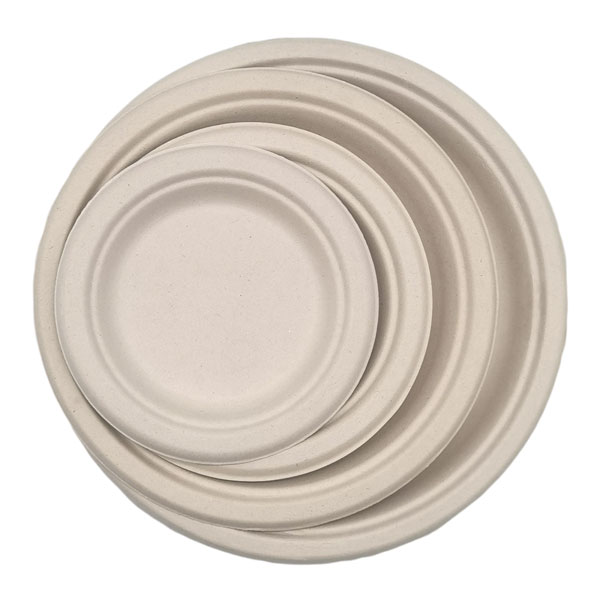
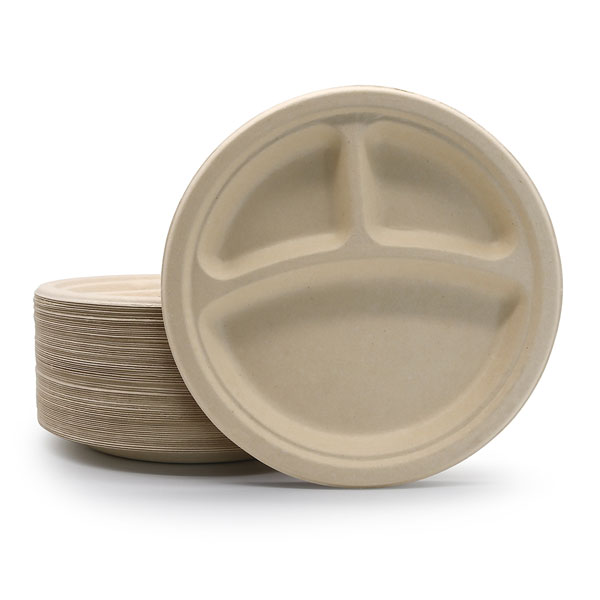
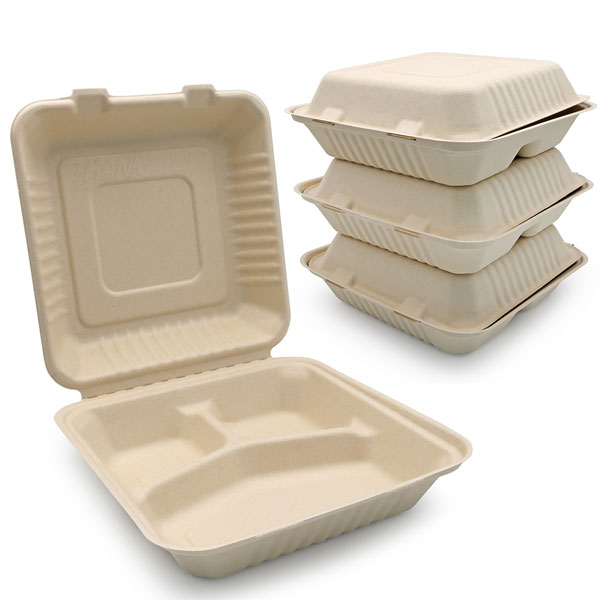
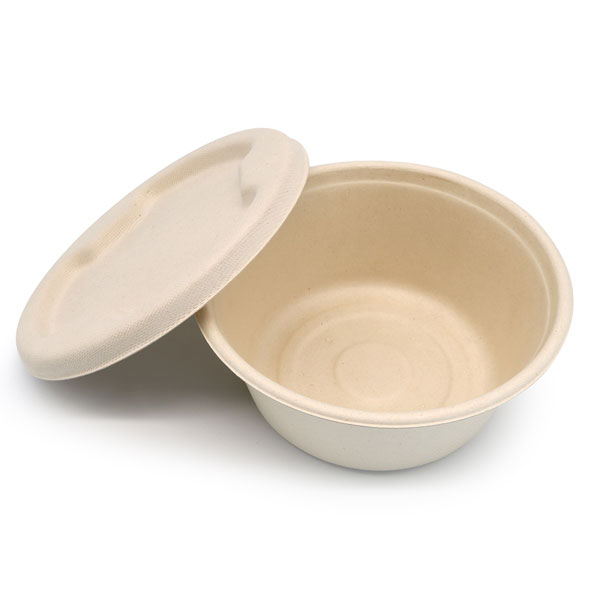
In today's fast-paced food service industry, compostable plates have emerged as more than just an environmental statement—they represent a strategic operational advantage. As Quick Service Restaurants (QSRs) face increasing pressure to balance sustainability with efficiency, bagasse-based solutions are leading the transformation. Made from sugarcane fiber, these compostable plates offer the durability of traditional materials while providing complete biodegradability within commercial composting facilities.
The breakthrough in bagasse packaging innovation comes from advanced auto-peeling technology that addresses a critical pain point in QSR operations. Traditional compostable plates often suffered from sticking issues during high-speed assembly, creating bottlenecks and reducing throughput. Modern auto-peeling systems utilize precision-engineered release coatings and optimized fiber composition to ensure plates separate effortlessly during automated packaging processes.
For B2B clients in the food service industry, the combination of compostable plates with auto-peeling capabilities delivers measurable benefits. Restaurants can maintain their assembly line speeds while reducing plastic waste by up to 100%. The technology enables seamless integration with existing automated systems, minimizing retooling costs and training requirements. This innovation represents a practical solution for chains seeking to meet sustainability commitments without compromising operational efficiency.
Beyond functional advantages, modern bagasse compostable plates offer extensive customization options for brand-conscious QSRs. The material's natural texture provides an excellent surface for high-quality printing, allowing restaurants to showcase their commitment to sustainability through branded packaging. Custom shapes, sizes, and compartmentalized designs can be engineered to accommodate specific menu items while maintaining the auto-peeling functionality that drives kitchen efficiency.
As municipalities worldwide implement stricter single-use plastic bans, compostable plates with advanced functionality become essential compliance tools. Bagasse products meet international composting standards including ASTM D6400 and EN13432, providing restaurants with future-proof packaging solutions. The sugarcane fiber supply chain offers additional advantages, with rapid renewable growth cycles and agricultural byproduct utilization that supports circular economy principles.
While initial investments in specialized compostable plates may appear higher than conventional options, the total cost of ownership reveals significant advantages. Reduced waste disposal fees, improved brand perception, and operational efficiencies from auto-peeling technology contribute to compelling ROI calculations. Forward-thinking QSRs recognize that sustainable packaging is no longer a cost center but a strategic investment in customer loyalty and regulatory compliance.
Successful adoption of auto-peeling bagasse compostable plates requires strategic planning. We recommend starting with pilot programs in high-volume locations to measure efficiency gains and customer response. Partnering with experienced suppliers who understand both material science and food service operations ensures smooth transitions. Training kitchen staff on proper handling and disposal procedures maximizes the environmental benefits while maintaining service standards.
As auto-peeling technology continues to evolve alongside compostable plate manufacturing, we anticipate further innovations in material strength, heat resistance, and customization capabilities. The convergence of operational efficiency and environmental responsibility represents the new standard for QSR packaging. Early adopters of these advanced bagasse solutions position themselves as industry leaders while building resilient, future-ready operations that appeal to environmentally conscious consumers and investors alike.