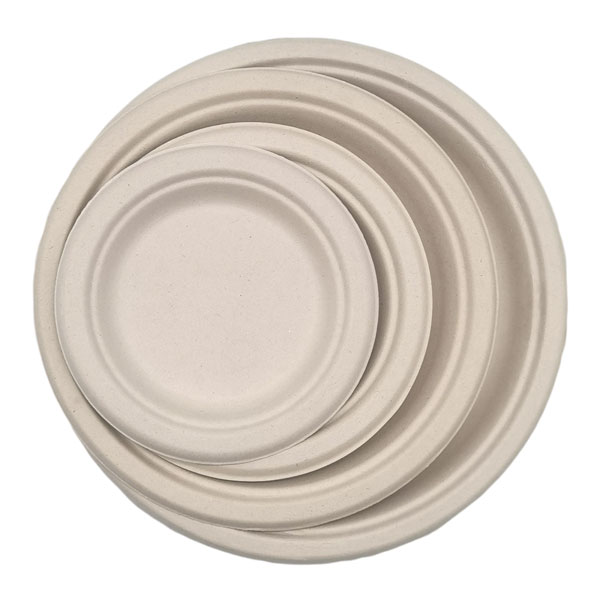
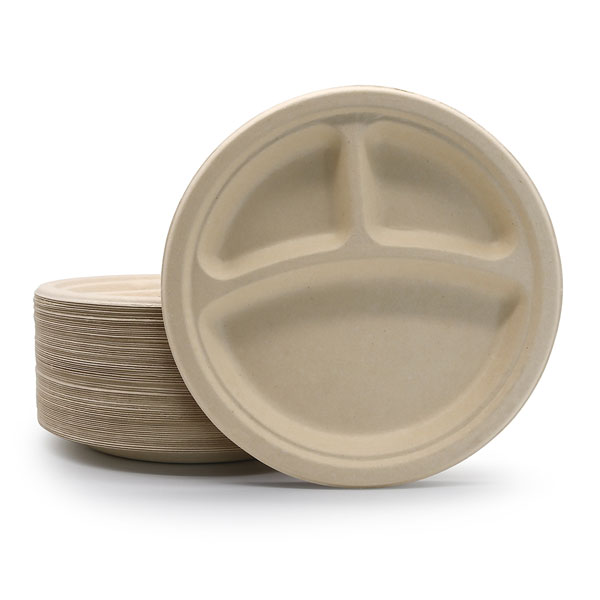
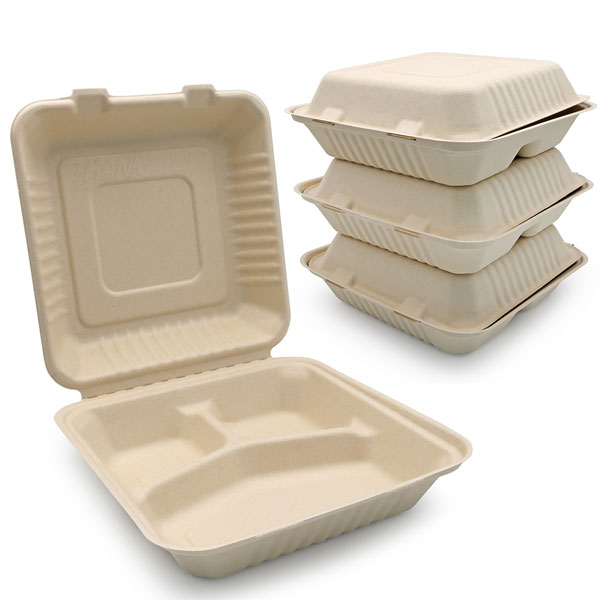
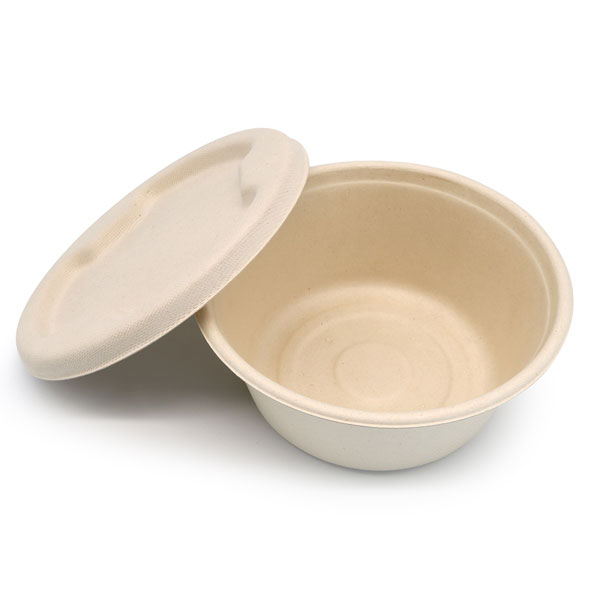
For years, the food service and packaging industry has faced a critical dilemma: how to create truly sustainable packaging that also performs effectively. Bagasse, derived from sugarcane pulp, offers excellent compostability and renewability, but its natural porosity has limited applications for moisture-sensitive products. Traditional barrier solutions often compromised the very sustainability credentials that made bagasse attractive in the first place.
The breakthrough in non-toxic barrier additives represents a paradigm shift in sustainable packaging technology. These innovative formulations create effective moisture barriers without introducing harmful chemicals, microplastics, or compromising compostability. Unlike conventional petroleum-based coatings or fluorinated compounds, these new additives are derived from plant-based sources and are fully compatible with industrial composting systems.
For businesses transitioning to sustainable packaging, these non-toxic barrier additives offer several key advantages. First, they extend the functional range of bagasse packaging to include moist foods, oily items, and liquid-containing products. Second, they maintain the packaging's compostability certification, ensuring end-of-life sustainability. Third, they provide excellent grease resistance without the environmental concerns associated with PFAS or other persistent chemicals.
With increasing regulatory scrutiny on food contact materials and packaging chemicals, non-toxic barrier additives provide a future-proof solution. They comply with FDA, EU, and other international food safety standards while avoiding the regulatory risks associated with emerging chemical restrictions. For brands committed to transparency and safety, this technology offers peace of mind and a clear marketing advantage.
The latest generation of non-toxic barrier additives achieves remarkable performance metrics. Laboratory testing shows moisture barrier effectiveness comparable to traditional coatings, with water vapor transmission rates reduced by up to 90%. Grease resistance meets industry standards for fast food packaging, while maintaining complete biodegradability within commercial composting timeframes.
One of the most significant advantages of these breakthrough additives is their seamless integration into existing manufacturing processes. They can be applied using standard coating equipment without major capital investment, making adoption economically viable for packaging converters. The additives work synergistically with bagasse's natural fibers, enhancing rather than compromising the material's structural integrity.
Beyond the immediate performance benefits, non-toxic barrier additives contribute to a more circular economy. They enable bagasse packaging to replace petroleum-based alternatives in more applications, reducing plastic waste and carbon footprint. The additives themselves break down completely during composting, leaving no harmful residues in soil or water systems.
This technological breakthrough opens new market opportunities across multiple sectors. Food service businesses can now offer truly sustainable packaging for previously challenging items like salads with dressings, oily snacks, and hot beverages. Retail brands can differentiate themselves with packaging that combines performance with environmental responsibility. The technology also supports corporate sustainability goals and ESG reporting requirements.
The innovation in non-toxic barrier additives represents just the beginning of a broader transformation in sustainable packaging. Ongoing research focuses on enhancing barrier properties further, developing antimicrobial functionalities, and creating smart packaging features. Companies adopting this technology today position themselves as industry leaders in the transition to a circular packaging economy.
For businesses considering the adoption of bagasse packaging with non-toxic barrier additives, several practical steps ensure successful implementation. Begin with a thorough assessment of current packaging needs and performance requirements. Work with suppliers who offer comprehensive technical support and certification documentation. Conduct pilot testing with actual products to validate performance under real-world conditions. Finally, communicate the environmental and safety benefits clearly to customers and stakeholders.
The breakthrough in non-toxic barrier additives for bagasse packaging represents more than just a technical improvement—it's a fundamental enabler of truly sustainable packaging solutions. By combining performance with environmental responsibility, this innovation helps businesses meet both operational requirements and sustainability commitments, creating value across the entire supply chain.