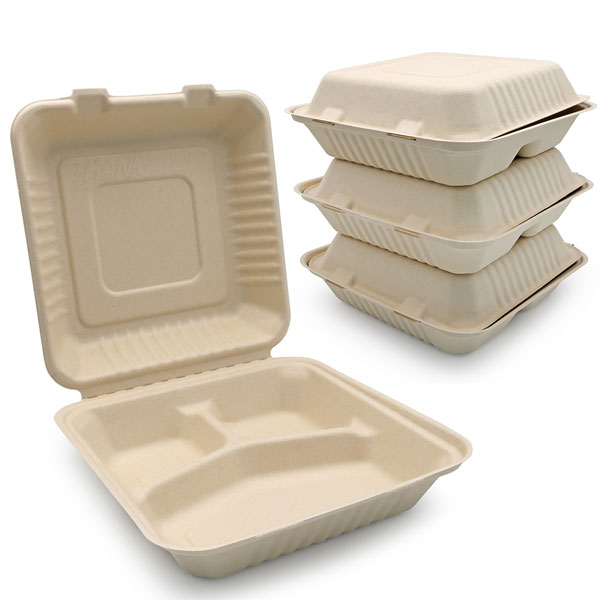
Across North America, fresh food chains are undergoing a quiet but profound transformation in their packaging strategies. From organic grocery stores to premium produce retailers, businesses are rapidly adopting sugarcane bagasse packaging as their go-to sustainable solution. This shift represents more than just an environmental trend—it's a strategic business decision driven by consumer demand, regulatory pressures, and operational efficiencies.
Bagasse, the fibrous byproduct left after sugarcane juice extraction, has emerged as one of the most promising sustainable packaging materials available today. Unlike traditional petroleum-based plastics or even some plant-based alternatives, bagasse offers a truly circular solution. It utilizes agricultural waste that would otherwise be burned or discarded, transforming it into durable, compostable packaging that meets the rigorous demands of fresh food retail.
Several critical factors are propelling North American fresh food chains toward bagasse packaging adoption at an unprecedented pace. First, consumer awareness has reached a tipping point—over 78% of shoppers now actively seek out retailers with demonstrable sustainability credentials. Second, regulatory landscapes are shifting, with single-use plastic bans expanding across municipalities and states. Third, supply chain resilience has become paramount, and bagasse offers a domestically-sourced alternative to imported packaging materials.
Beyond environmental credentials, bagasse packaging delivers tangible operational advantages. The material's natural insulation properties help maintain optimal temperatures for fresh produce, reducing spoilage rates by up to 15%. Its moisture resistance prevents condensation buildup, crucial for maintaining product quality during transportation. Additionally, bagasse containers are microwave-safe and freezer-compatible, offering the versatility that modern food retail demands.
For fresh food chains, packaging serves as a powerful brand touchpoint. Bagasse packaging provides a distinctive, premium aesthetic that communicates quality and environmental stewardship simultaneously. Leading chains report that switching to bagasse has enhanced their brand perception, with 92% of surveyed customers expressing greater loyalty to retailers using compostable packaging. This visual differentiation becomes particularly valuable in crowded retail environments where shelf appeal directly impacts sales.
While initial investment in bagasse packaging may exceed traditional options, forward-thinking chains are recognizing the long-term economic benefits. Reduced waste disposal costs, elimination of plastic bag taxes in certain jurisdictions, and decreased environmental compliance expenses contribute to a compelling ROI. Furthermore, as production scales and technology advances, bagasse packaging costs are projected to decrease by 25-30% over the next three years, making the business case even stronger.
Modern bagasse packaging solutions offer unprecedented flexibility for fresh food chains. From custom-printed containers that reinforce brand identity to specialized designs for different product categories—berries, leafy greens, prepared foods—the customization options are extensive. Leading suppliers now provide just-in-time delivery systems and inventory management support, ensuring seamless integration into existing retail operations.
Navigating the complex world of compostability certifications can be challenging for fresh food chains. Reputable bagasse packaging meets stringent standards including ASTM D6400, EN 13432, and BPI certification. These credentials ensure that packaging will properly break down in commercial composting facilities, providing chains with the assurance they need to make confident sustainability claims to their customers.
Successful bagasse adoption requires strategic planning. Leading chains typically begin with pilot programs in high-visibility locations, gradually expanding as they optimize their processes. Employee training on proper handling and disposal procedures ensures maximum environmental benefit. Many retailers also leverage the transition as a marketing opportunity, educating customers about their sustainability journey through in-store signage and digital campaigns.
As North American fresh food chains continue to accelerate their bagasse packaging adoption, we're witnessing the emergence of a new industry standard. The convergence of consumer preference, regulatory momentum, and technological advancement creates a perfect storm for sustainable packaging adoption. Chains that embrace this shift now position themselves as industry leaders, building customer loyalty and future-proofing their operations against evolving market expectations.
For fresh food chains considering bagasse packaging, the timing has never been better. With proven environmental benefits, operational advantages, and strong consumer appeal, sugarcane-based packaging represents a smart investment in both sustainability and business growth. As adoption accelerates across North America, early movers gain competitive advantage while contributing to a more sustainable food retail ecosystem.