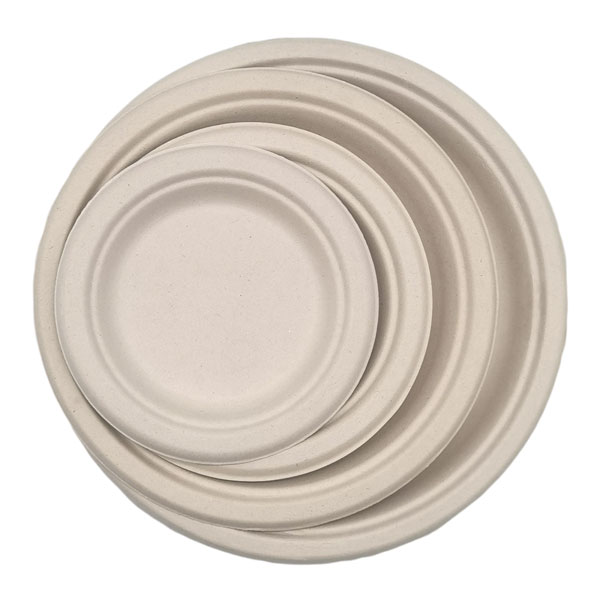
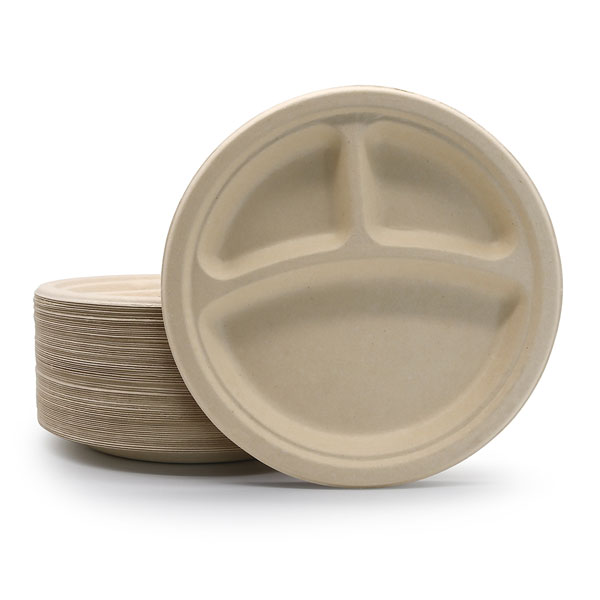
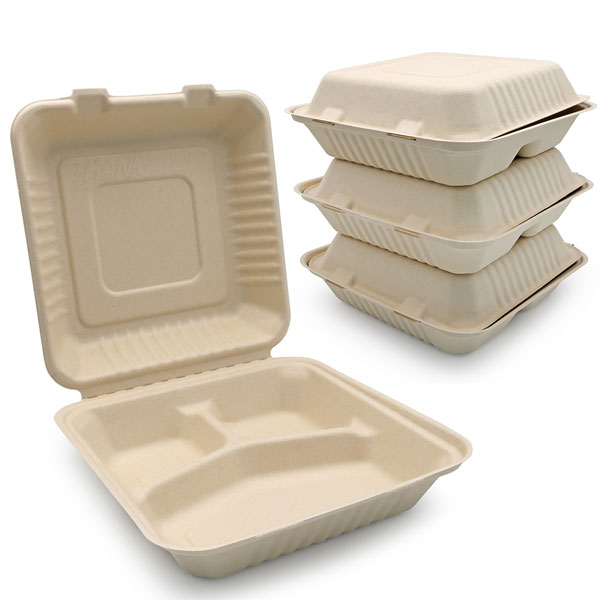
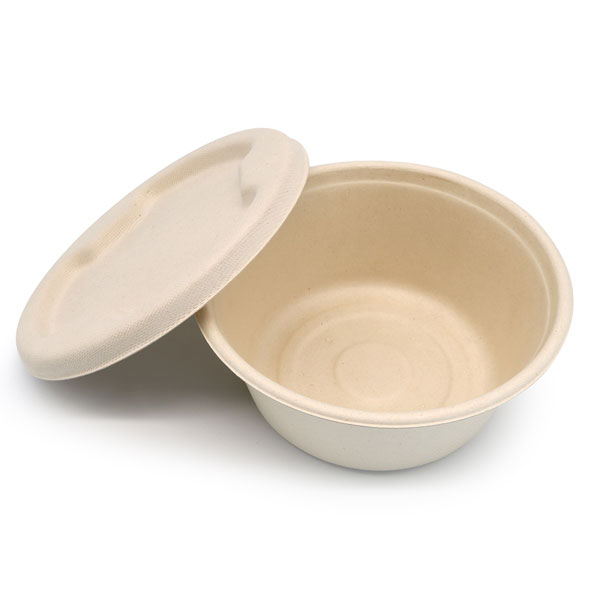
In the competitive landscape of eco-friendly packaging, sugarcane pulp vacuum forming represents a breakthrough technology that addresses one of manufacturing's most persistent challenges: demoulding residue. Traditional packaging production often leaves behind micro-residues that compromise product purity and require additional cleaning steps. Our advanced vacuum forming process with sugarcane pulp delivers zero-residue demoulding, creating cleaner, more sustainable packaging solutions for forward-thinking businesses.
Zero-residue demoulding isn't just a production convenience—it's a fundamental shift in sustainable manufacturing. When sugarcane pulp packaging separates cleanly from molds without leaving behind particles or film, manufacturers eliminate several costly production steps. This process reduces water consumption for cleaning, minimizes energy use in post-production treatments, and ensures that every package meets the highest purity standards demanded by today's environmentally conscious consumers and regulatory bodies.
The secret to zero-residue demoulding lies in the unique molecular structure of sugarcane pulp fibers. Unlike petroleum-based plastics that bond aggressively to mold surfaces, sugarcane pulp contains natural lignins and cellulose that create a controlled release mechanism. Our proprietary vacuum forming technology optimizes temperature, pressure, and timing parameters to ensure that fibers release cleanly without breaking or leaving residue. This technical precision results in packaging that maintains structural integrity while achieving perfect demoulding every time.
For businesses transitioning to sustainable packaging, sugarcane pulp vacuum forming offers tangible operational advantages. Production lines experience reduced downtime between cycles since molds require minimal cleaning. Quality control becomes more predictable without residue-related defects. Most importantly, brands can confidently market their products as truly clean and sustainable, knowing that their packaging manufacturing process aligns with their environmental values. This technology particularly benefits food service, cosmetics, and pharmaceutical industries where packaging purity is non-negotiable.
One common misconception about sustainable packaging is that environmental benefits come at the cost of design flexibility. Our zero-residue demoulding process with sugarcane pulp proves otherwise. Brands can achieve intricate designs, embossed logos, and custom shapes without worrying about residue accumulation in detailed mold areas. The clean separation ensures that even the most complex packaging designs maintain crisp details and professional appearance, supporting brand differentiation in competitive markets.
As global regulations around packaging sustainability tighten, sugarcane pulp vacuum forming positions businesses ahead of compliance curves. Zero-residue manufacturing reduces potential chemical contamination concerns and supports certifications for compostability and food safety. By adopting this technology now, companies future-proof their operations against increasingly stringent environmental standards while demonstrating genuine commitment to circular economy principles.
Transitioning to sugarcane pulp packaging with zero-residue demoulding requires strategic partnership with experienced manufacturers. Key considerations include mold design optimization for sugarcane pulp characteristics, production scale planning, and integration with existing packaging lines. Our expertise in this specialized field ensures seamless implementation, from initial prototyping to full-scale production, maximizing both environmental impact and return on investment.
In today's market where consumers scrutinize sustainability claims, zero-residue demoulding provides more than just production efficiency—it offers authentic storytelling material. Brands can transparently communicate their commitment to clean manufacturing processes, building trust with environmentally conscious customers. This technology represents the next evolution in sustainable packaging, where environmental responsibility and manufacturing excellence converge to create truly superior products.