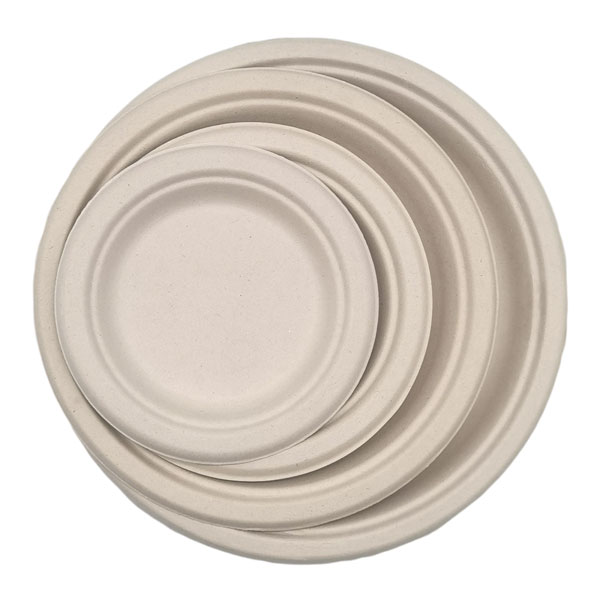
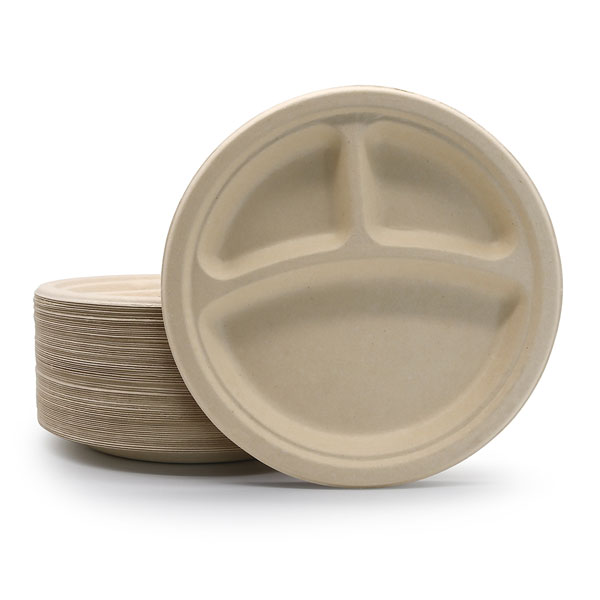
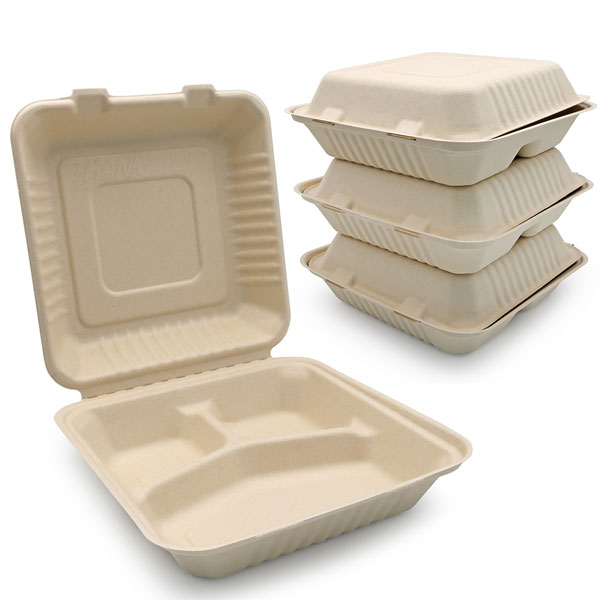
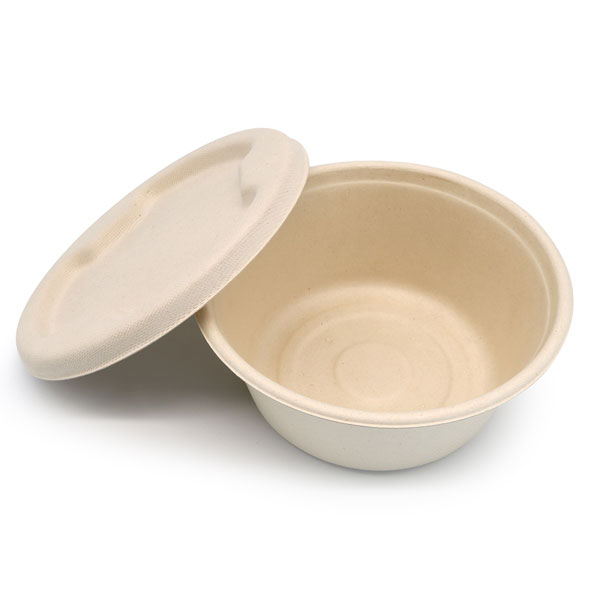
Across Southeast Asia, a remarkable transformation is underway in the B2B packaging sector. Recent data reveals that sugarcane packaging orders have surged to unprecedented levels, with businesses from Singapore to Vietnam embracing bagasse-based solutions at an accelerating pace. This trend isn't merely a passing fad—it represents a fundamental shift in how regional enterprises approach sustainability, supply chain resilience, and brand differentiation.
Several key factors are fueling this remarkable growth. First, increasing consumer awareness and regulatory pressure across ASEAN nations have created a perfect storm for sustainable alternatives. Countries like Thailand, Malaysia, and Indonesia have implemented stricter plastic reduction policies, compelling businesses to seek compliant, eco-friendly packaging solutions. Second, the region's growing middle class increasingly demands sustainable products, creating market incentives for brands to differentiate themselves through environmentally responsible packaging.
Southeast Asia's unique position as a major sugarcane producer provides distinct advantages for B2B clients. Local production capabilities mean reduced transportation costs and carbon footprints compared to importing packaging from distant markets. Regional manufacturers have invested heavily in advanced bagasse processing technologies, ensuring consistent quality and reliable supply chains. This localized production model also supports faster turnaround times and greater customization flexibility for businesses seeking branded packaging solutions.
The surge in sugarcane packaging orders spans multiple industries. Food service businesses, particularly those in the rapidly expanding takeout and delivery sectors, represent the largest segment. Restaurants, cafes, and food delivery platforms are transitioning from traditional plastic containers to compostable sugarcane alternatives to meet consumer expectations and regulatory requirements. Additionally, retail brands across cosmetics, electronics, and consumer goods are adopting sugarcane packaging for product boxes and protective materials, recognizing its premium aesthetic and environmental credentials.
For B2B buyers navigating this booming market, several strategic considerations emerge. Quality certification and compliance documentation become critical when evaluating suppliers. Look for manufacturers with recognized certifications like BPI (Biodegradable Products Institute) or TÜV Austria OK compost INDUSTRIAL. Additionally, consider the total cost of ownership rather than just unit pricing—sugarcane packaging often offers better value through reduced waste disposal costs and enhanced brand perception.
The current surge in sugarcane packaging orders shows no signs of slowing. Industry analysts predict continued growth as Southeast Asian governments implement more ambitious sustainability targets and regional trade agreements increasingly incorporate environmental standards. For forward-thinking businesses, establishing relationships with reliable sugarcane packaging suppliers now represents a strategic advantage. Consider multi-year contracts to secure pricing stability and prioritize suppliers with transparent, traceable supply chains to ensure genuine sustainability credentials.
To capitalize on this trend, B2B decision-makers should conduct thorough assessments of their current packaging needs and environmental impact. Partner with suppliers offering comprehensive solutions, including design support, prototyping, and volume scaling capabilities. Look for partners who understand both the technical requirements of sugarcane packaging and the unique market dynamics of Southeast Asia. By making strategic investments in sustainable packaging today, businesses can future-proof their operations while contributing to the region's environmental goals.