In an era where environmental sustainability is no longer optional but essential, businesses worldwide are seeking innovative ways to reduce their carbon footprint while enhancing customer loyalty. For international beverage chains, packaging plays a pivotal role in this journey. This case study delves into how one prominent chain revolutionized its operations by switching to compostable plates made from sugarcane bagasse, resulting in a remarkable 42-ton reduction in annual carbon emissions per store and a 32% surge in customer repurchase rates. By embracing compostable plates, they not only addressed environmental concerns but also unlocked new avenues for growth and brand differentiation.
Traditional packaging materials, such as plastics and non-recyclable papers, have long been associated with excessive waste and high carbon emissions. For beverage chains operating globally, this translates to significant environmental liabilities and potential backlash from eco-conscious consumers. The challenge lies in finding alternatives that are both planet-friendly and economically viable. Compostable plates offer a compelling solution, as they break down naturally without harming the environment, aligning with the growing demand for greener practices.
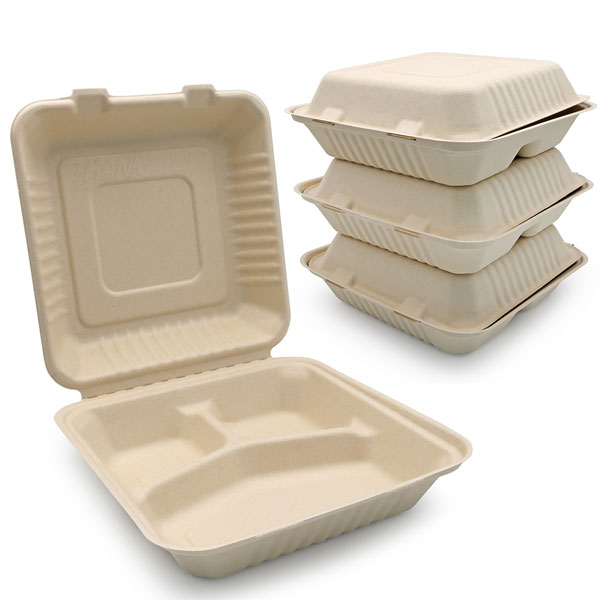
Sugarcane bagasse, a byproduct of sugar production, is transformed into durable, compostable plates that serve as an eco-friendly substitute for conventional options. These compostable plates are not only biodegradable but also require less energy to produce, contributing to a lower overall carbon footprint. In the case of the international beverage chain, the transition to compostable plates was seamless, with minimal disruption to daily operations. By integrating these plates into their service, they demonstrated a commitment to sustainability that resonated deeply with customers and stakeholders alike.
The implementation of compostable plates yielded impressive quantitative results. Each store recorded an average annual carbon footprint reduction of 42 tons, equivalent to removing several cars from the road for a year. Moreover, customer feedback revealed a 32% increase in repurchase rates, as patrons appreciated the brand's dedication to environmental stewardship. This dual benefit highlights how compostable plates can serve as a catalyst for both ecological and business success, making them a smart choice for any forward-thinking enterprise.
Beyond the immediate environmental and customer advantages, compostable plates position businesses as leaders in the sustainability movement. They help comply with evolving regulations, reduce long-term waste management costs, and attract a loyal customer base that values ethical practices. As the beverage chain's experience shows, investing in compostable plates is not just about doing good—it's about driving tangible results that bolster your bottom line. Start your journey toward a greener future by exploring custom compostable plate solutions tailored to your needs.
In conclusion, the success story of this international beverage chain underscores the transformative power of compostable plates. By prioritizing sustainability, you can achieve significant carbon reductions and foster stronger customer relationships. Take the first step today and see how compostable plates can revolutionize your business operations.