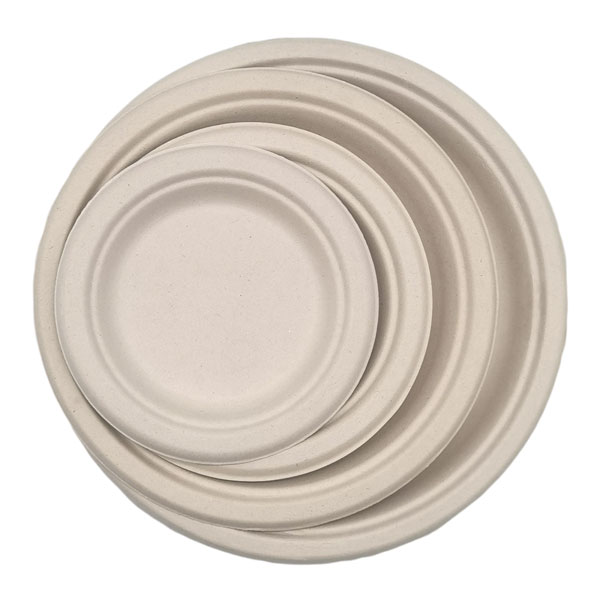
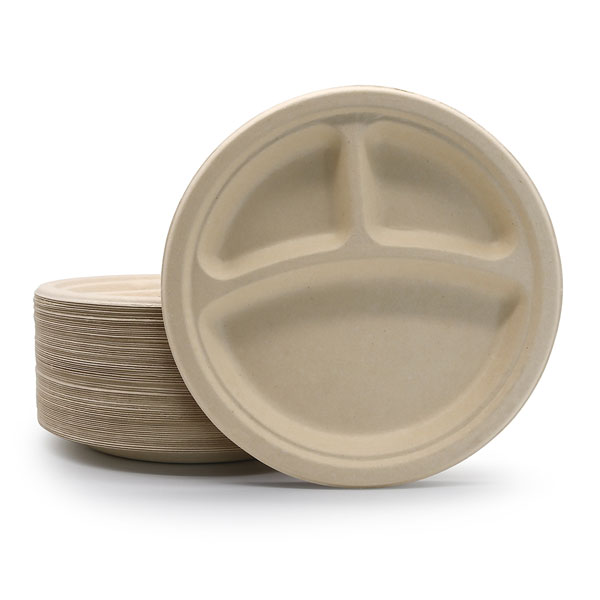
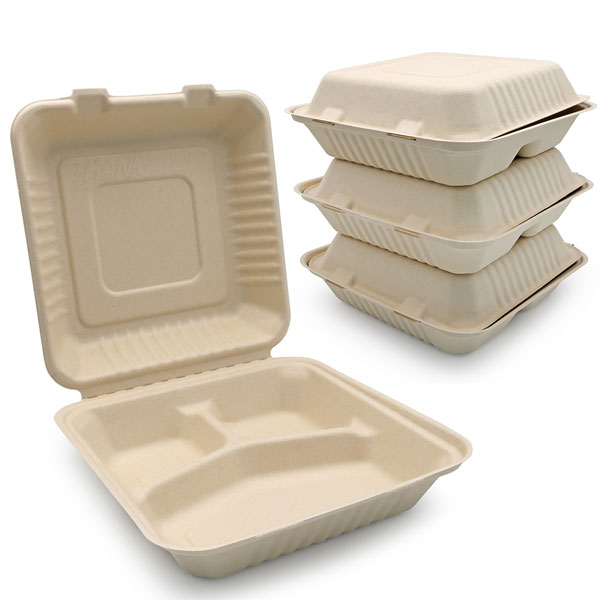
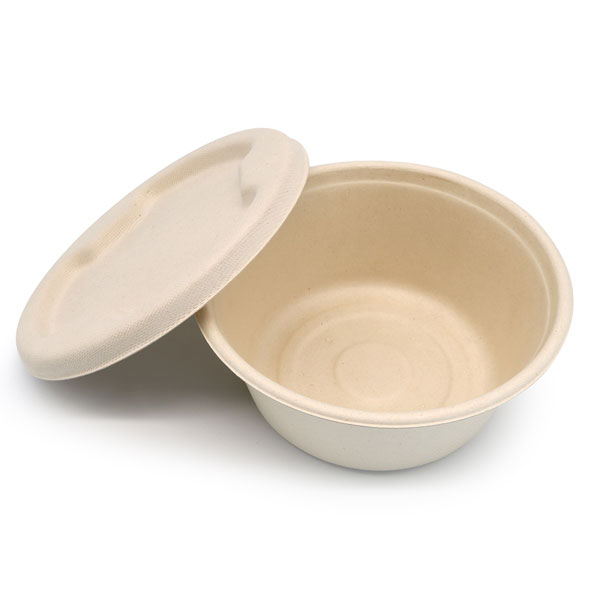
In today's eco-conscious market, businesses are increasingly seeking sustainable alternatives to single-use plastics, but many struggle with the trade-off between environmental benefits and product durability. For B2B clients in the food service and packaging industries, the痛点 is clear:他们 need compostable plates that don't compromise on strength or performance. Enter the microstructural breakthrough in sugarcane bagasse packaging—a game-changer that leverages fiber alignment technology to achieve an impressive 92% compressive strength compared to traditional plastics. This advancement not only addresses waste reduction goals but also meets the practical demands of high-volume usage.
Sugarcane bagasse, a byproduct of sugar production, has long been used for compostable plates due to its biodegradability. However, early versions often fell short in durability, leading to concerns about breakage and customer satisfaction. Our fiber alignment technology re-engineers the microstructure of bagasse fibers, optimizing their orientation to mimic the resilience of plastics. By aligning fibers in a way that distributes stress evenly, these compostable plates can withstand pressures up to 92% of what conventional plastics offer. This means businesses can now offer eco-friendly options without sacrificing the reliability their clients expect.
For B2B customers, the advantages extend beyond environmental credentials. These compostable plates are designed to handle rigorous use in catering, events, and food delivery, reducing the risk of spills and waste. The technology also enhances moisture resistance, ensuring that plates remain sturdy even when holding wet or heavy foods. By integrating this innovation, companies can align with sustainability trends while boosting their brand image and meeting regulatory demands for reduced plastic use.
Many businesses worry that switching to compostable plates will lead to higher costs or inferior performance. Our fiber alignment breakthrough directly tackles these concerns by offering a cost-effective solution that rivals plastic in strength. Additionally, these plates decompose efficiently in industrial composting facilities, supporting circular economy goals. For B2B clients, this translates to fewer complaints, enhanced customer loyalty, and a competitive edge in a green-focused market.
As global regulations tighten on plastic waste, the demand for high-performance compostable plates is set to soar. This microstructural innovation not only sets a new standard for sustainable packaging but also opens doors for further advancements in bio-based materials. By adopting this technology early, B2B companies can position themselves as leaders in environmental stewardship, driving long-term growth and positive change.
In summary, the fiber alignment technology in sugarcane bagasse packaging represents a pivotal step forward for compostable plates, combining strength, sustainability, and practicality. For businesses looking to make the switch, this breakthrough offers a reliable path to reducing environmental impact without compromising on quality.