Fresh supermarkets face an ongoing battle against packaging failure in cold chain logistics. Traditional materials often succumb to moisture, deformation, and fogging issues that compromise product quality and presentation. The 72-hour cycle from distribution center to retail shelf presents unique challenges that demand packaging solutions capable of maintaining performance under extreme conditions.
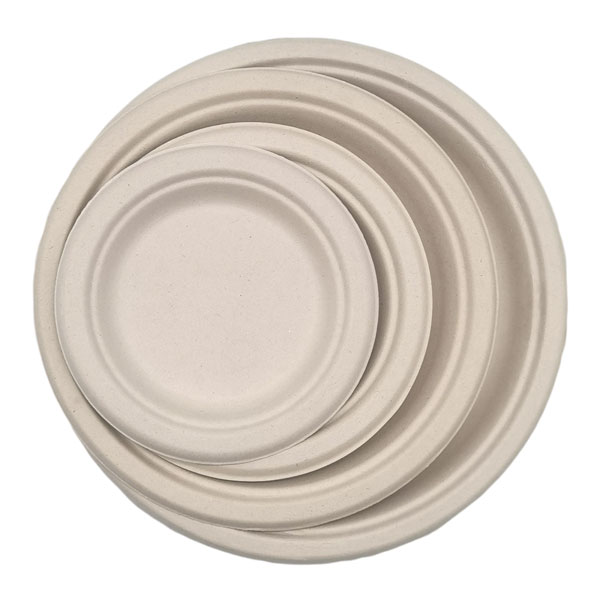
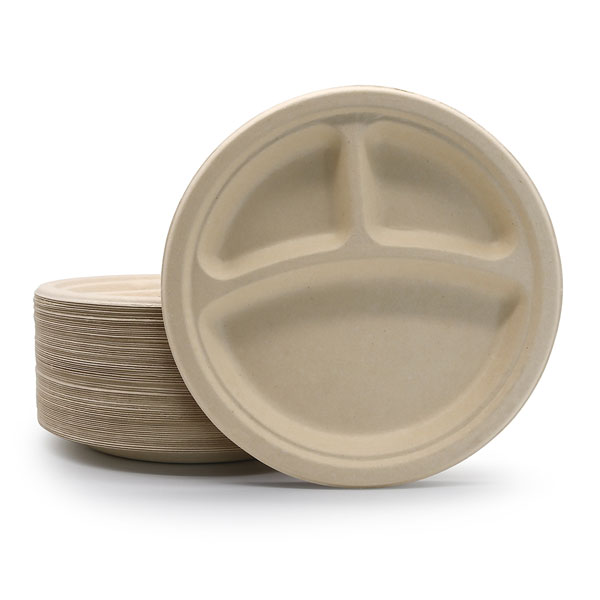
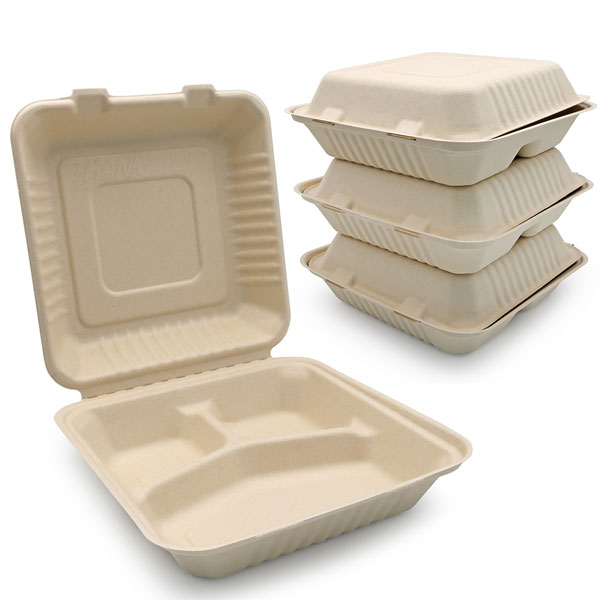
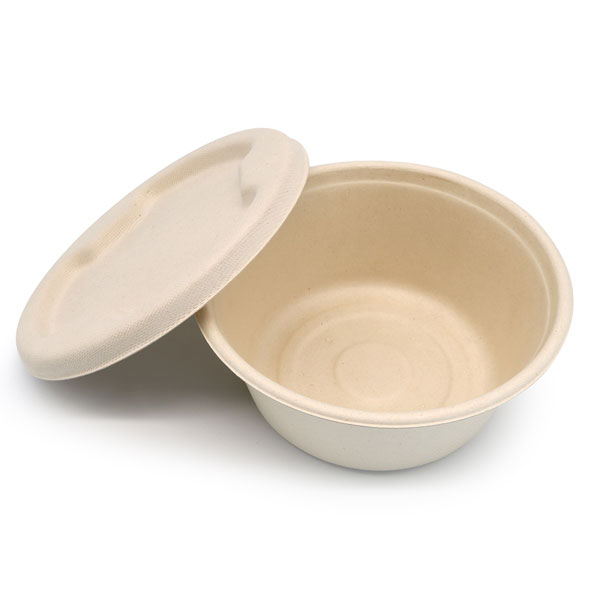
As environmental consciousness grows among consumers and businesses alike, the demand for sustainable packaging solutions has never been higher. Compostable plates made from sugarcane bagasse offer a revolutionary alternative to petroleum-based plastics, providing both environmental benefits and superior performance characteristics. These innovative materials are transforming how fresh supermarkets approach their packaging strategies.
Our comprehensive testing reveals that high-quality compostable plates manufactured from sugarcane bagasse demonstrate exceptional deformation resistance throughout extended cold chain cycles. Unlike conventional packaging that warps or weakens under temperature fluctuations, these sustainable alternatives maintain their structural integrity even after 72 continuous hours in refrigerated environments.
One of the most critical challenges in cold chain packaging is maintaining product visibility. Traditional containers often develop condensation that obscures contents and creates unappealing presentations. Advanced compostable plates incorporate specialized anti-fog properties that prevent moisture buildup, ensuring that fresh products remain clearly visible and attractive to consumers throughout the entire supply chain journey.
The benefits of switching to compostable plates extend far beyond cold chain performance. These sustainable packaging solutions significantly reduce carbon footprint compared to traditional plastic alternatives. Made from agricultural byproducts that would otherwise go to waste, sugarcane bagasse packaging represents a circular economy approach that aligns with modern consumer values and corporate sustainability goals.
Transitioning to compostable plates requires careful planning and execution. Successful implementation involves assessing current packaging workflows, training staff on proper handling procedures, and communicating the environmental benefits to customers. Many forward-thinking supermarkets have found that highlighting their commitment to sustainable packaging actually enhances brand perception and customer loyalty.
As technology advances and consumer preferences evolve, the role of compostable plates in cold chain optimization will only grow more significant. Ongoing research and development promise even greater performance improvements, including enhanced moisture resistance, improved durability, and expanded customization options. Fresh supermarkets that embrace these innovations today position themselves as industry leaders for tomorrow.
The evidence is clear: compostable plates made from sugarcane bagasse represent not just an environmental choice, but a smart business decision for fresh supermarkets seeking to optimize their cold chain systems while meeting evolving consumer expectations for sustainability and performance.