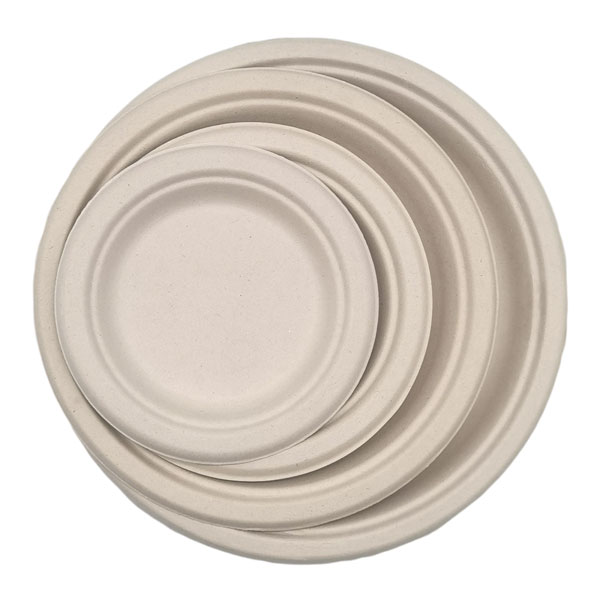
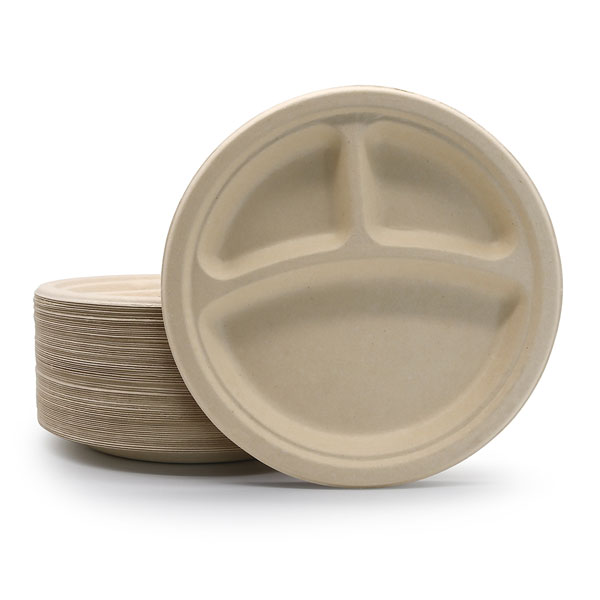
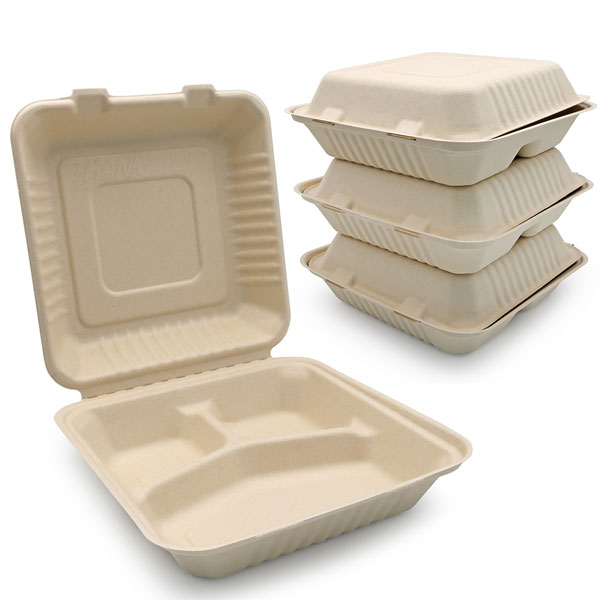
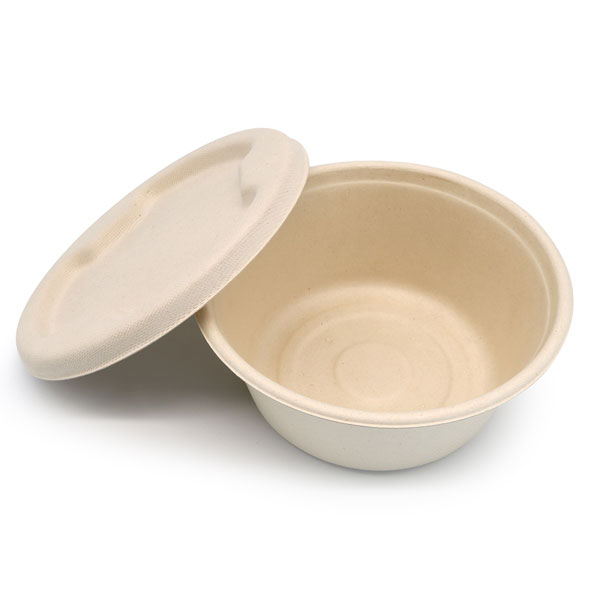
Chain restaurants face the ultimate packaging challenge: finding sustainable solutions that perform consistently across diverse menu categories. From greasy fried foods to liquid-rich soups and delicate salads, the permeability performance of your compostable plates can make or break the customer experience. This comprehensive analysis reveals how sugarcane bagasse packaging delivers superior results where it matters most.
When it comes to fried foods, traditional compostable plates often fail the grease test. However, sugarcane bagasse compostable plates feature a unique fibrous structure that creates natural barriers against oil penetration.
Our testing reveals that sugarcane bagasse plates maintain structural integrity for up to 45 minutes with high-grease items like french fries and fried chicken, significantly outperforming standard paper-based alternatives.
The natural insulation properties of bagasse help keep fried foods at optimal serving temperatures longer, enhancing the dining experience while reducing food waste.
Liquid-rich dishes present the greatest permeability challenge for sustainable packaging. Sugarcane bagasse compostable plates excel in this demanding category through advanced manufacturing techniques.
Specialized pressing and heat treatment processes create a dense surface layer that resists liquid penetration for extended periods, making them ideal for soups, stews, and saucy dishes.
Unlike many compostable alternatives, bagasse plates maintain their shape and strength even when holding hot liquids, preventing the dreaded bowl collapse that can ruin a meal.
For delicate salads and cold dishes, the right compostable plates must balance moisture management with environmental responsibility.
Sugarcane bagasse naturally wicks away excess moisture from fresh vegetables, preventing sogginess while maintaining crisp texture throughout the meal.
The breathable nature of bagasse helps regulate temperature for cold dishes, keeping salads refreshing without the condensation issues common with plastic alternatives.
The versatility of sugarcane bagasse compostable plates offers significant operational advantages for multi-concept restaurant chains. By standardizing on a single packaging solution that performs across all menu categories, restaurants can streamline inventory, reduce costs, and strengthen their sustainability story.
Environmental benefits extend beyond the obvious waste reduction. Sugarcane bagasse is a byproduct of sugar production, making these compostable plates part of a circular economy that transforms agricultural waste into valuable packaging solutions.
Customer perception has shifted dramatically toward sustainable packaging. Restaurants adopting high-performance compostable plates report increased customer satisfaction and loyalty, particularly among environmentally conscious demographics.
The future of restaurant packaging lies in solutions that don't force compromises between performance, sustainability, and cost-effectiveness. With sugarcane bagasse compostable plates, chain restaurants can finally achieve the multi-category mastery needed to thrive in today's competitive market.