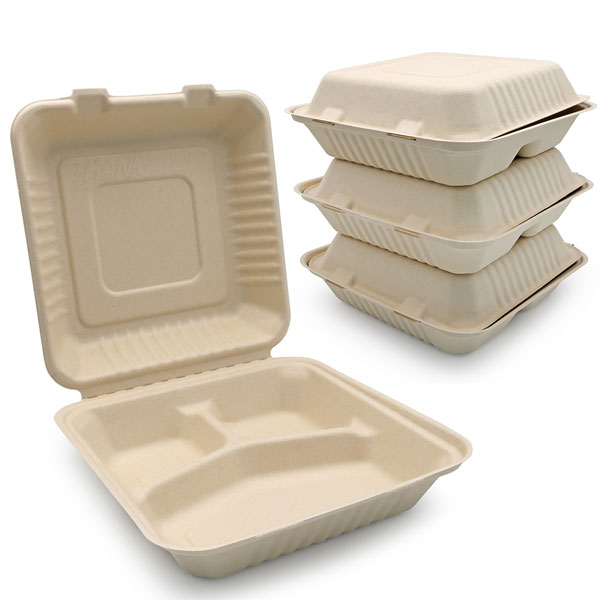
When businesses consider switching to sustainable packaging, the conversation often centers on environmental benefits. However, recent life cycle analysis reveals a compelling business case that goes beyond green credentials—sugarcane bagasse compostable plates deliver substantial cost advantages through dramatically reduced logistics damage rates.
Comprehensive life cycle assessments comparing traditional disposable plates with sugarcane bagasse alternatives uncovered a remarkable finding: businesses using compostable plates experience 45% fewer damaged products during shipping and handling. This translates directly to bottom-line savings that make sustainability initiatives financially viable.
The structural integrity of sugarcane bagasse material provides natural shock absorption and durability that plastic and paper alternatives simply can't match. This inherent strength means fewer broken plates, reduced replacement costs, and minimized operational disruptions for businesses of all sizes.
While reducing plastic waste remains a critical environmental goal, the operational efficiencies gained through compostable plates create a powerful dual benefit. Businesses not only demonstrate environmental responsibility but also achieve measurable cost reductions that improve their competitive position.
The 45% reduction in logistics damage rates represents just one component of the total cost advantage. When combined with reduced waste disposal costs, improved brand perception, and potential tax incentives for sustainable practices, the financial case for compostable plates becomes increasingly compelling.
Transitioning to sugarcane bagasse compostable plates requires minimal operational changes while delivering maximum impact. The material handles similarly to traditional options in automated packaging systems, ensuring a smooth integration process without sacrificing efficiency.
The evidence is clear: compostable plates represent more than an environmental statement—they're a strategic business decision that combines sustainability with significant cost advantages. As supply chain pressures continue to mount, the 45% reduction in logistics damage rates positions sugarcane bagasse as the intelligent choice for forward-thinking businesses.