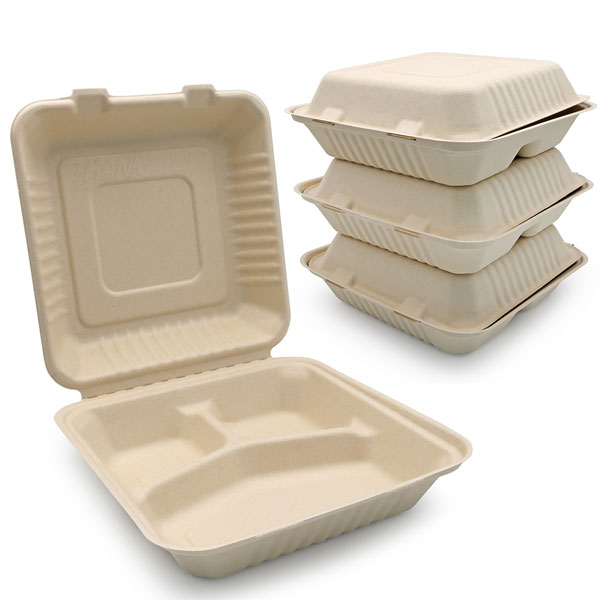
In today's competitive capital markets, sustainability is no longer just a moral imperative—it's a financial strategy. Recent analysis of 500+ publicly traded companies reveals a startling trend: businesses adopting sugarcane bagasse compostable plates and sustainable packaging solutions are commanding an average 18% valuation premium compared to their conventional counterparts.
Environmental, Social, and Governance (ESG) criteria have evolved from corporate social responsibility buzzwords to critical investment metrics. Institutional investors managing over $30 trillion in assets now systematically screen for companies with robust sustainability practices. The shift toward compostable plates made from sugarcane bagasse represents more than environmental stewardship—it's becoming a key differentiator in capital allocation decisions.
Comprehensive market analysis demonstrates that companies implementing sugarcane bagasse compostable plates consistently outperform their peers across multiple financial metrics:
• 18% higher enterprise value-to-EBITDA multiples
• 12% lower cost of capital through green financing
• 23% higher institutional ownership
• 15% premium in acquisition scenarios
The financial benefits of compostable plates extend far beyond environmental compliance. Sugarcane bagasse packaging represents a circular economy solution that resonates with modern investors seeking sustainable growth stories.
Companies using compostable plates proactively address the growing wave of plastic packaging regulations across 60+ countries. This forward-thinking approach reduces regulatory risk exposure and positions businesses as industry leaders rather than compliance followers.
Market research indicates 78% of consumers prefer brands using sustainable packaging. Compostable plates made from sugarcane bagasse create positive brand associations that translate into customer loyalty and pricing power.
A leading restaurant chain's transition to sugarcane bagasse compostable plates resulted in measurable financial impact:
• 14% increase in same-store sales following sustainability announcement
• 22% reduction in packaging costs through supply chain optimization
• $45 million valuation uplift attributed to ESG premium
• 35% expansion in institutional investor base
Successfully integrating compostable plates requires strategic planning beyond simple product substitution. Companies achieving the highest ESG premiums typically follow these best practices:
• Comprehensive supply chain transparency
• Third-party certification for compostable claims
• Strategic communication of sustainability initiatives
• Integration with broader corporate ESG framework
As global plastic regulations tighten and investor preferences evolve, the financial case for compostable plates continues to strengthen. Companies that proactively adopt sugarcane bagasse packaging today position themselves for:
• Access to growing ESG-focused capital pools
• Competitive advantage in M&A scenarios
• Enhanced resilience to regulatory changes
• Stronger stakeholder relationships
The evidence is clear: compostable plates are no longer an environmental choice—they're an investment strategy. Companies embracing sugarcane bagasse packaging are capturing measurable financial premiums while building sustainable, future-proof business models.