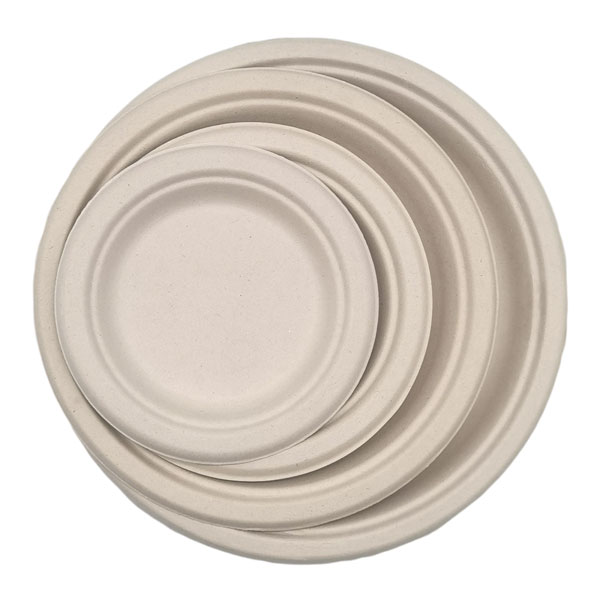
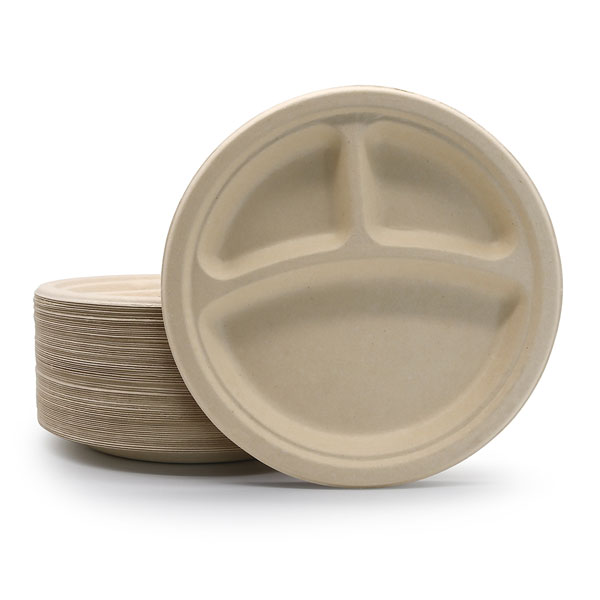
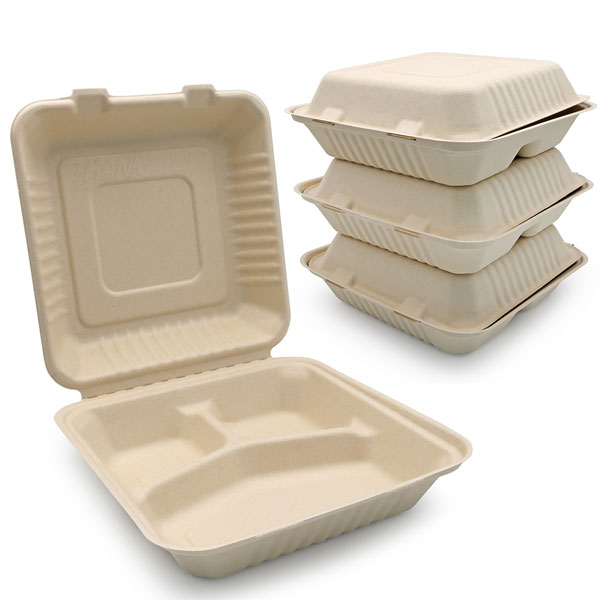
A seismic shift is underway in global trade as carbon border adjustment mechanisms (CBAMs) across 67 countries are fundamentally reshaping the packaging industry. These policies, designed to level the playing field between domestic producers and international competitors on carbon emissions, are driving a remarkable 300% growth in sugarcane bagasse packaging exports, with compostable plates emerging as the unexpected beneficiary.
From the European Union's pioneering CBAM to similar mechanisms in Canada, Japan, and the United Kingdom, governments worldwide are implementing carbon pricing on imported goods. These policies target products with high carbon footprints, creating significant financial incentives for businesses to transition to sustainable alternatives. For companies in the food service and packaging industries, this represents both a compliance challenge and a massive market opportunity.
The surge in demand for compostable plates isn't accidental. Traditional plastic and paper products often carry substantial carbon footprints throughout their lifecycle—from manufacturing to disposal. Compostable plates made from renewable materials like sugarcane bagasse offer a compelling alternative that not only avoids carbon tariffs but also aligns with growing consumer demand for eco-friendly options.
Sugarcane bagasse, the fibrous byproduct left after juice extraction, represents one of the most promising materials for sustainable packaging. This agricultural waste product requires no additional land use, consumes minimal energy in processing, and naturally decomposes within months. For businesses seeking compostable plates, sugarcane bagasse offers the perfect combination of environmental credentials and practical performance.
Industry analysts project that the global market for compostable plates will exceed $4.2 billion by 2028, with sugarcane bagasse products capturing an increasing share. The 300% export growth reflects not just regulatory pressure but also fundamental shifts in consumer behavior and corporate sustainability commitments. Companies that adopt compostable plates early are positioning themselves for preferential market access and enhanced brand reputation.
For B2B clients in the food service industry, transitioning to compostable plates offers multiple strategic advantages. Beyond avoiding carbon tariffs, businesses benefit from improved sustainability metrics, enhanced brand positioning, and access to markets with strict environmental regulations. Custom compostable plates also provide unique branding opportunities while demonstrating genuine commitment to environmental stewardship.
The convergence of regulatory pressure, consumer demand, and technological innovation has created a perfect storm for compostable plates. As carbon border mechanisms continue to expand globally, businesses that proactively adopt sustainable packaging solutions will not only avoid compliance costs but also capture significant competitive advantages in an increasingly environmentally-conscious marketplace.