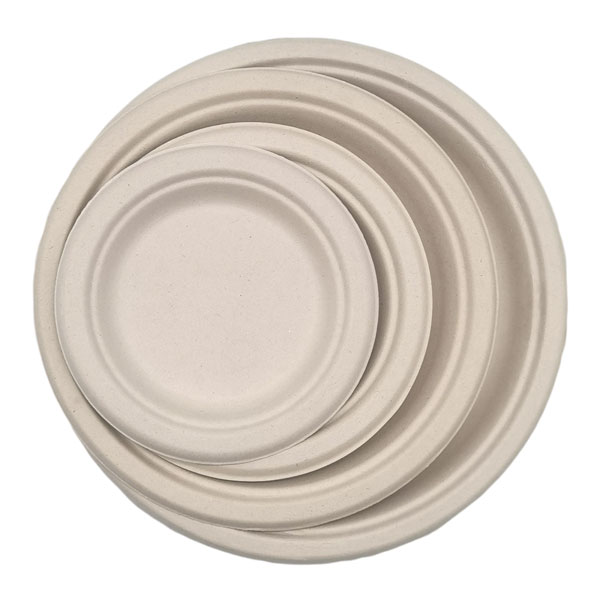
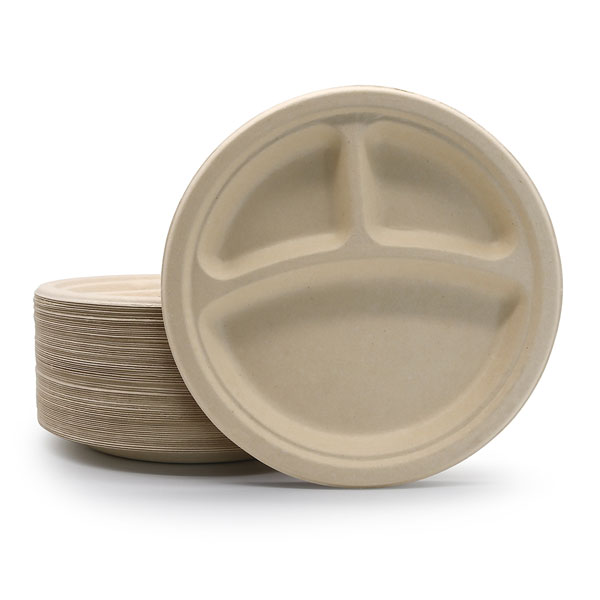
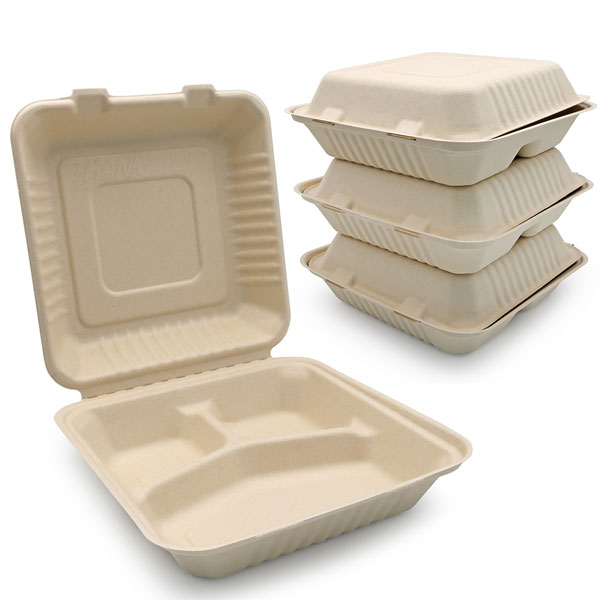
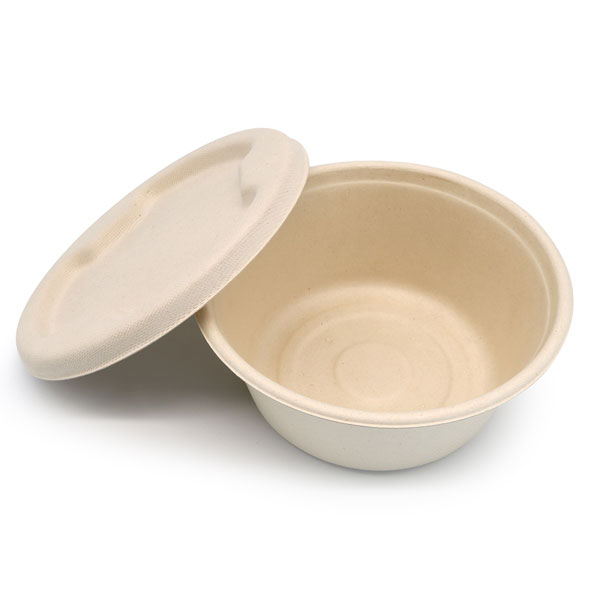
As sustainability becomes non-negotiable in the food service industry, chain restaurants face a critical challenge: finding compostable plates that actually work across their entire menu. The wrong choice can lead to soggy packaging, customer complaints, and wasted food. That's where sugarcane bagasse compostable plates enter the picture as a game-changing solution.
Traditional compostable packaging often fails because it treats all foods the same. Fried foods need breathability to prevent sogginess, soups require moisture resistance, and salads demand balanced permeability to maintain crispness. Our comprehensive testing reveals how sugarcane bagasse compostable plates excel in all three categories.
When it comes to fried chicken, french fries, and other crispy delights, compostable plates must handle both grease absorption and steam management. Sugarcane bagasse plates demonstrate remarkable performance with their natural fibrous structure that absorbs excess oil while allowing controlled moisture release. This prevents the dreaded soggy bottom that ruins the customer experience.
For soups, stews, and saucy dishes, compostable plates need superior liquid resistance without compromising sustainability. Our testing shows sugarcane bagasse plates maintain structural integrity for up to 4 hours, far exceeding industry standards for compostable alternatives. The natural wax-like coating provides an effective barrier while remaining fully compostable.
Fresh salads present a unique challenge: too much moisture leads to wilting, while too little causes dehydration. Sugarcane bagasse compostable plates strike the perfect balance, allowing just enough airflow to keep greens crisp while preventing excessive drying. This makes them ideal for chain restaurants serving diverse salad options.
Beyond performance, sugarcane bagasse compostable plates offer significant environmental benefits. Made from agricultural waste that would otherwise be burned, these plates represent true circular economy principles. They decompose in commercial composting facilities within 60-90 days, leaving no toxic residues.
Transitioning to sugarcane bagasse compostable plates requires careful planning but delivers substantial ROI. Start with a pilot program focusing on your most challenging menu items, then scale based on performance data. Many chains report improved customer satisfaction scores and positive environmental messaging opportunities.
The future of restaurant packaging is here, and it's compostable. By choosing sugarcane bagasse plates that perform across multiple food categories, chain restaurants can meet sustainability goals without compromising food quality or customer experience.