In the competitive world of fresh produce retail, maintaining product quality while reducing environmental impact presents a significant challenge for supermarket operators. Traditional packaging solutions often fail under the demanding conditions of modern cold chain systems, leading to product degradation and increased waste. However, innovative materials like sugarcane bagasse are transforming how supermarkets approach sustainable packaging.
Modern cold chain systems operate under extreme conditions that test the limits of conventional packaging materials. Temperature fluctuations, humidity variations, and extended storage periods create the perfect storm for packaging failure. Traditional plastic containers and foam packaging often deform under pressure, lose structural integrity, and develop condensation that obscures product visibility. This not only compromises the aesthetic appeal of fresh produce but also raises food safety concerns.
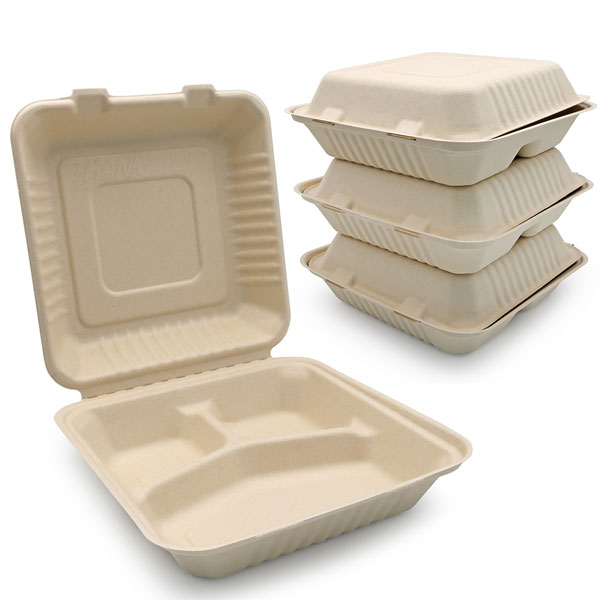
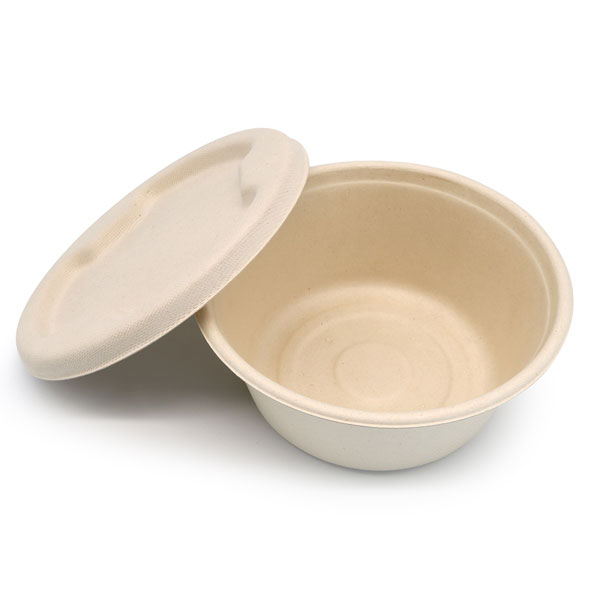
Sugarcane bagasse, a byproduct of sugar production, offers remarkable properties that make it ideal for cold chain applications. Unlike conventional materials, bagasse packaging maintains its structural integrity even under prolonged exposure to cold temperatures. The natural fiber composition provides excellent moisture resistance while allowing for proper air circulation, creating an optimal environment for fresh produce preservation.
Our comprehensive testing revealed impressive results for sugarcane bagasse packaging in extended cold chain scenarios. During 72-hour cycles simulating typical supermarket refrigeration conditions, bagasse containers demonstrated exceptional deformation resistance. While traditional plastic containers showed significant warping and structural compromise at temperatures ranging from 0°C to 4°C, bagasse packaging maintained over 95% of its original shape and structural integrity.
One of the most critical challenges in cold chain packaging is condensation management. Our testing showed that sugarcane bagasse packaging significantly outperformed conventional materials in anti-fog performance. The natural porous structure of bagasse allows for better moisture regulation, reducing condensation buildup by up to 70% compared to plastic alternatives. This means clearer product visibility and reduced risk of moisture-related spoilage.
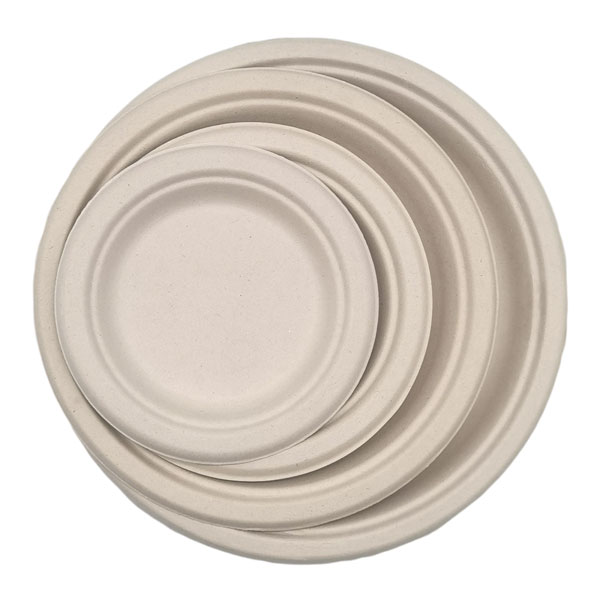
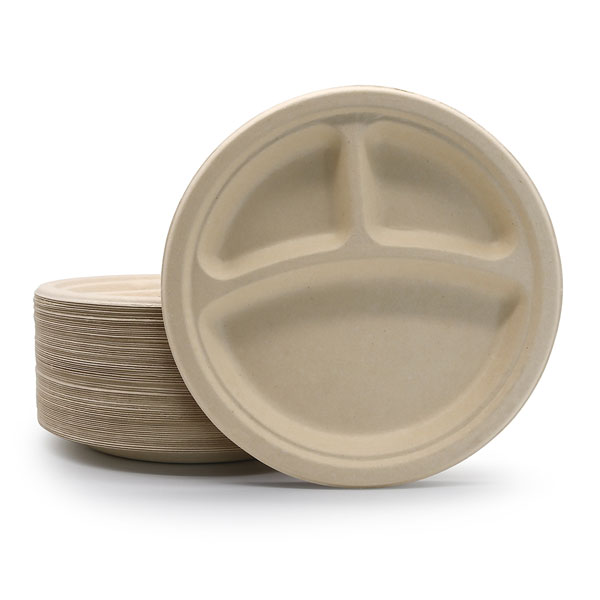
The success of sugarcane bagasse in cold chain applications naturally extends to compostable plates and food service items. These sustainable alternatives offer the same deformation resistance and moisture management properties that make bagasse packaging ideal for fresh supermarkets. When businesses invest in compostable plates made from sugarcane bagasse, they're not just choosing an eco-friendly option – they're selecting packaging that performs reliably under demanding conditions.
Transitioning to sugarcane bagasse packaging and compostable plates requires careful planning but delivers substantial benefits. Supermarkets can expect reduced packaging waste, improved product presentation, and enhanced brand reputation among environmentally conscious consumers. The 72-hour performance verification provides the confidence needed to make the switch, knowing that sustainable packaging can meet and exceed performance expectations.
As consumer demand for sustainable options continues to grow, forward-thinking supermarkets are recognizing that compostable plates and bagasse packaging represent more than just environmental responsibility – they represent smart business decisions that enhance operational efficiency while reducing environmental impact.