Across 54 countries, a quiet revolution is unfolding in the food packaging industry. Governments worldwide are implementing circular economy policies that are fundamentally changing how businesses approach disposable tableware. This regulatory wave has created a staggering 350% growth in the sugarcane bagasse packaging market, with compostable plates emerging as the clear winner in this new sustainable landscape.
The shift toward compostable plates isn't just about environmental consciousness—it's becoming a legal requirement. From the European Union's Single-Use Plastics Directive to California's ambitious composting mandates, businesses are finding that traditional plastic plates are no longer viable. The regulatory pressure is creating a massive market opportunity for companies that can provide high-quality compostable plates that meet these new standards.
This explosive growth in sugarcane bagasse packaging isn't accidental. It's the direct result of coordinated policy actions across multiple continents. Countries are implementing extended producer responsibility schemes, plastic bans, and composting infrastructure investments that all favor compostable plates over traditional alternatives. The market is responding to these clear regulatory signals with unprecedented investment in sustainable packaging solutions.
Several key policy trends are converging to create this perfect storm of growth. First, plastic bans are eliminating traditional options. Second, composting mandates are creating infrastructure for compostable plates. Third, carbon pricing mechanisms are making sustainable options more economically competitive. Together, these factors are creating a business environment where compostable plates aren't just preferred—they're becoming essential.
For businesses looking to stay ahead of regulatory curves, now is the time to transition to compostable plates. The market growth isn't just about compliance—it's about capturing consumer preference and building brand reputation. Companies that adopt compostable plates early are positioning themselves as sustainability leaders while avoiding the compliance costs that will inevitably hit late adopters.
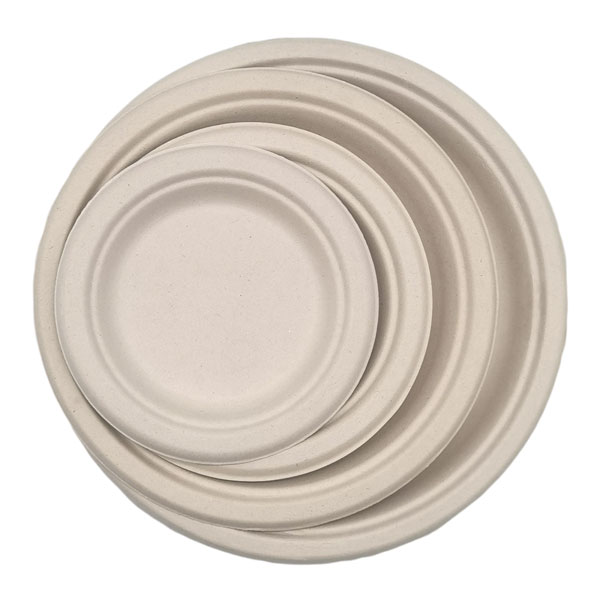
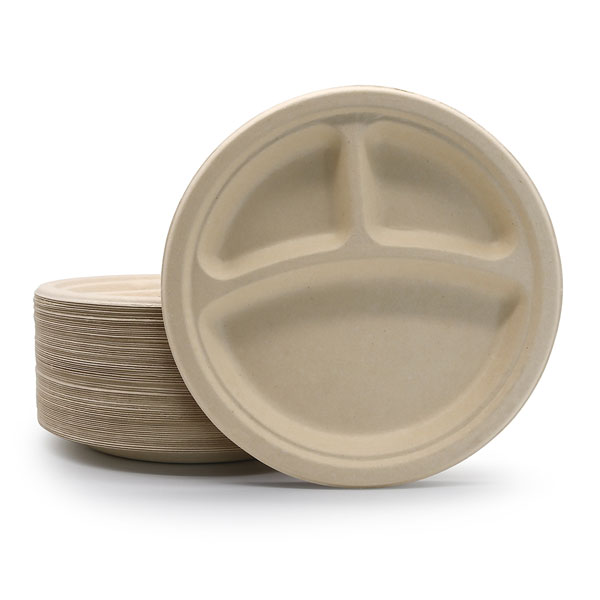
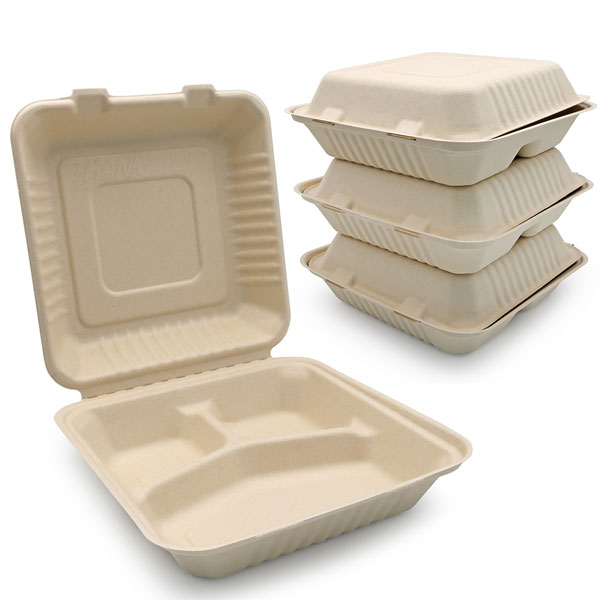
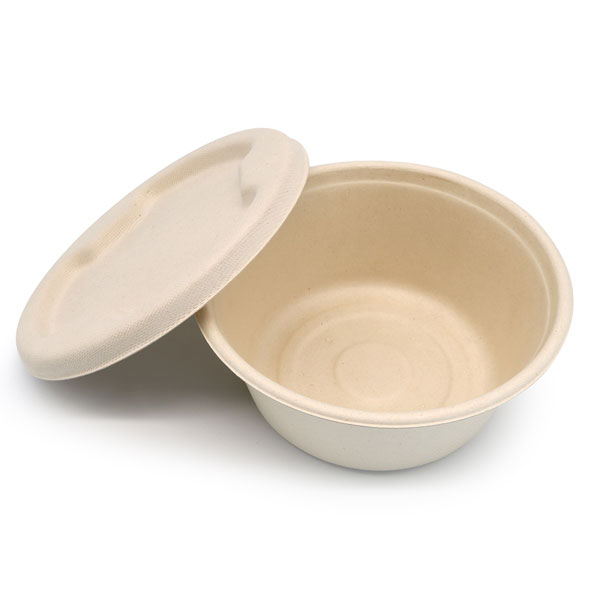
The beauty of modern compostable plates lies in their versatility. Whether you're in food service, catering, events, or retail, customized compostable plates can meet your specific branding and functional requirements. From different sizes and shapes to custom printing and specialized coatings, today's compostable plate technology offers solutions for virtually every application.
The 350% growth figure is impressive, but it's just the beginning. As more countries join the circular economy movement and existing regulations become more stringent, the demand for compostable plates will continue to accelerate. Businesses that establish relationships with reliable compostable plate suppliers now will be best positioned to navigate this evolving regulatory landscape.
Transitioning to compostable plates doesn't have to be complicated. The key is finding a partner who understands both the technical requirements and the regulatory landscape. Look for suppliers with proven track records in compostable plate manufacturing and deep knowledge of international sustainability standards. With the right partnership, your business can turn regulatory compliance into competitive advantage.