In today's environmentally conscious market, large food processing enterprises face mounting pressure to balance operational efficiency with sustainability goals. The traditional packaging dilemma often forces companies to choose between cost-effectiveness and environmental responsibility - until now.
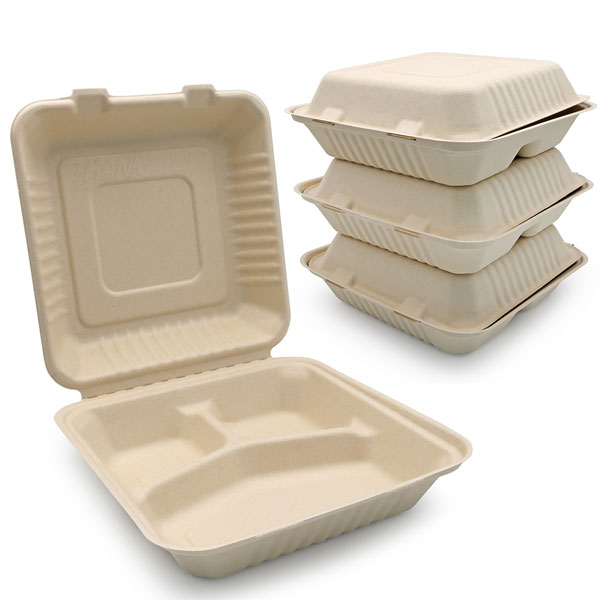
One forward-thinking food processing giant recently made the strategic switch to sugarcane bagasse compostable plates, and the results have been nothing short of revolutionary. By replacing conventional plastic and paper packaging with sustainable alternatives, they achieved what many thought impossible: significant environmental impact reduction coupled with substantial cost savings.
The transition to compostable plates resulted in an annual emission reduction of 3800 tons - equivalent to removing approximately 800 passenger vehicles from the road for an entire year. This dramatic decrease came from multiple factors:
• Reduced manufacturing energy consumption
• Elimination of petroleum-based plastic production
• Lower transportation emissions due to lighter packaging materials
• Complete biodegradability eliminating landfill methane emissions
Beyond the environmental benefits, the switch to compostable plates delivered an unexpected financial advantage - an 18% reduction in operational costs. This substantial saving emerged from:
• Lower material costs compared to premium plastic alternatives
• Reduced waste disposal fees and landfill taxes
• Elimination of plastic packaging regulatory compliance costs
• Enhanced brand reputation leading to increased customer loyalty
Sugarcane bagasse compostable plates offer superior performance characteristics that make them ideal for large-scale food processing operations:
• Exceptional heat resistance for hot food applications
• Natural grease and moisture resistance
• Microwave and freezer safe properties
• Sturdy construction preventing breakage during transport
• Certified compostable in commercial facilities
Transitioning to compostable plates requires strategic planning but delivers long-term benefits. Key implementation steps include:
• Conducting a comprehensive packaging audit
• Partnering with reliable compostable plates suppliers
• Employee training on proper disposal and composting protocols
• Communicating the sustainability initiative to stakeholders
• Monitoring environmental and financial metrics
The success story of this food processing enterprise demonstrates that sustainability and profitability are not mutually exclusive. Compostable plates represent the future of responsible packaging for B2B operations seeking to reduce their environmental footprint while improving their bottom line.
As consumer demand for eco-friendly products continues to grow and regulatory pressures intensify, companies that proactively adopt compostable plates position themselves as industry leaders while securing significant competitive advantages.