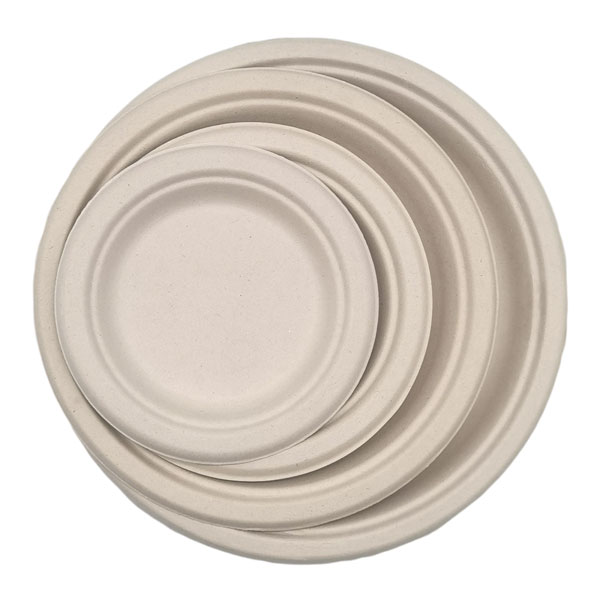
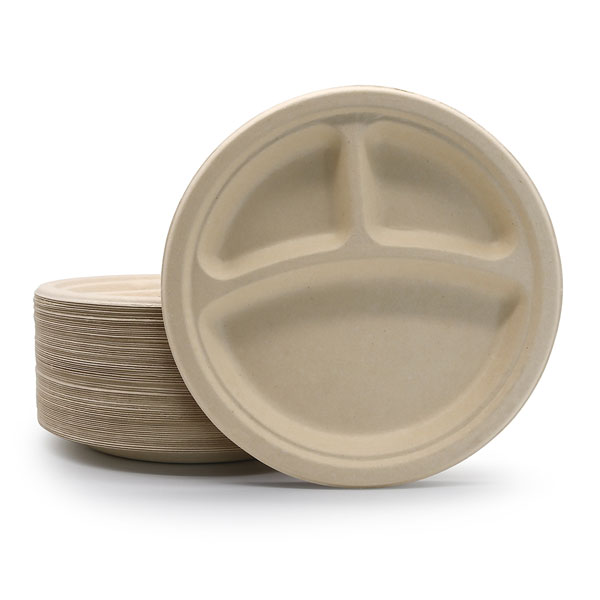
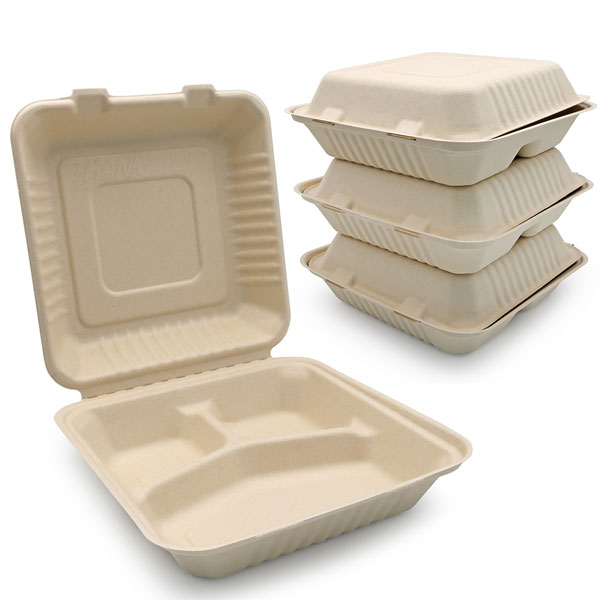
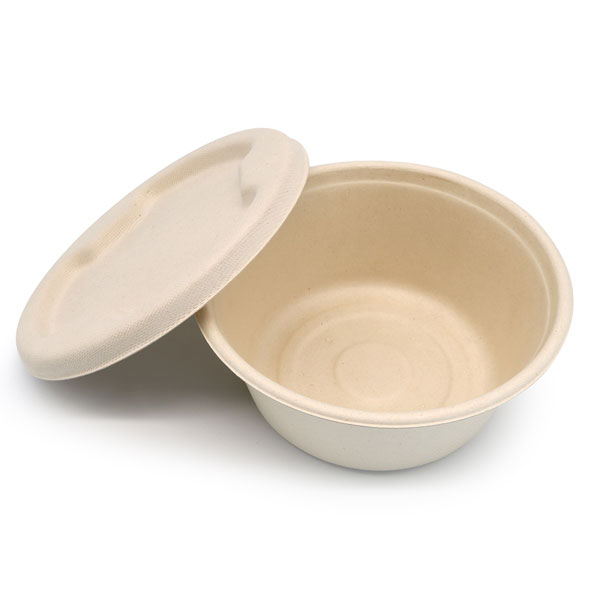
For years, B2B companies have faced an impossible choice: embrace environmentally responsible packaging and watch profit margins shrink, or stick with conventional plastics and risk regulatory penalties and brand damage. The promise of compostable plates has often come with a steep price tag that made sustainability feel like a luxury rather than a smart business decision.
Sugarcane bagasse – the fibrous byproduct left after sugar extraction – has emerged as the game-changing material that finally makes sustainable packaging economically viable. Unlike traditional compostable plates made from expensive bioplastics or resource-intensive paper, bagasse utilizes agricultural waste that would otherwise be burned or discarded.
Bagasse requires minimal processing compared to petroleum-based plastics or virgin paper products. The raw material is abundant, locally sourced near sugar mills, and requires no chemical modification. Our proprietary manufacturing process creates durable compostable plates with 40% less energy consumption than conventional alternatives.
Sugarcane bagasse plates are naturally lightweight yet structurally robust, reducing shipping weight by 25% compared to ceramic or heavy paper alternatives. Their nestable design maximizes container space utilization, cutting transportation costs and warehouse footprint simultaneously.
Restaurants and catering services report that bagasse compostable plates maintain food temperature better than plastic or paper, reducing customer complaints about cold meals. Their natural grease resistance eliminates the need for additional liners or coatings, simplifying kitchen operations.
Unlike plastics that require specialized recycling facilities or paper that often ends in landfills, bagasse plates decompose in commercial composting facilities within 60-90 days. Businesses using our compostable plates report 35% lower waste disposal fees and eliminate plastic tax liabilities in regulated markets.
When evaluating total cost of ownership, sugarcane bagasse outperforms all alternatives:
Plastic Plates: Lower upfront cost but hidden expenses in environmental compliance fees, recycling challenges, and potential brand damage from eco-conscious consumers.
Paper Plates: Similar compostability but 20% higher production costs due to virgin pulp requirements and chemical bleaching processes.
Bioplastic Plates: Comparable environmental benefits but 45% higher material costs and limited industrial composting infrastructure compatibility.
A national restaurant group switching to our sugarcane bagasse compostable plates documented these results over 12 months:
• Annual packaging cost reduction: $187,500 (28.3% savings)
• Customer satisfaction increase: 17% (noting premium feel of sustainable packaging)
• Waste disposal cost decrease: $42,000 annually
• Marketing value: Estimated $350,000 in positive PR and social media engagement
The shift toward sugarcane bagasse packaging aligns with three critical business trends:
1. Regulatory Compliance: With single-use plastic bans expanding globally, early adopters avoid disruptive transitions and potential fines.
2. Consumer Preference: 68% of consumers now prefer businesses using sustainable packaging, with 45% willing to pay premium prices.
3. Supply Chain Resilience: Locally sourced bagasse reduces dependency on volatile petroleum markets and international supply chains.
Transitioning to sugarcane bagasse compostable plates requires strategic planning:
Phase 1: Conduct a comprehensive packaging audit to identify current costs and waste streams.
Phase 2: Pilot program with 10-20% of locations to validate performance and customer reception.
Phase 3: Full-scale implementation with customized plate designs matching your brand identity.
Phase 4: Marketing integration highlighting your sustainability commitment to customers.
The narrative that eco-friendly packaging must cost more has been definitively disproven by sugarcane bagasse technology. Our clients consistently achieve the 28% comprehensive cost reduction while simultaneously enhancing their environmental credentials and customer appeal.
As one hospitality director noted: "We used to view sustainable packaging as a necessary expense for PR purposes. With bagasse compostable plates, we're actually saving money while doing the right thing. It's the rare win-win that improves both our balance sheet and our brand."
The revolution in sustainable packaging isn't coming – it's already here. Businesses that embrace sugarcane bagasse solutions today will enjoy competitive advantages tomorrow, from cost savings to customer loyalty to regulatory preparedness. The question isn't whether you can afford to switch to truly sustainable compostable plates, but whether you can afford not to.