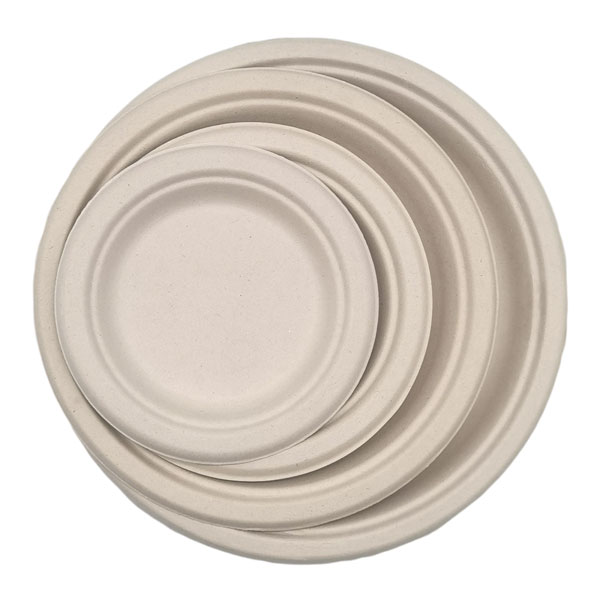
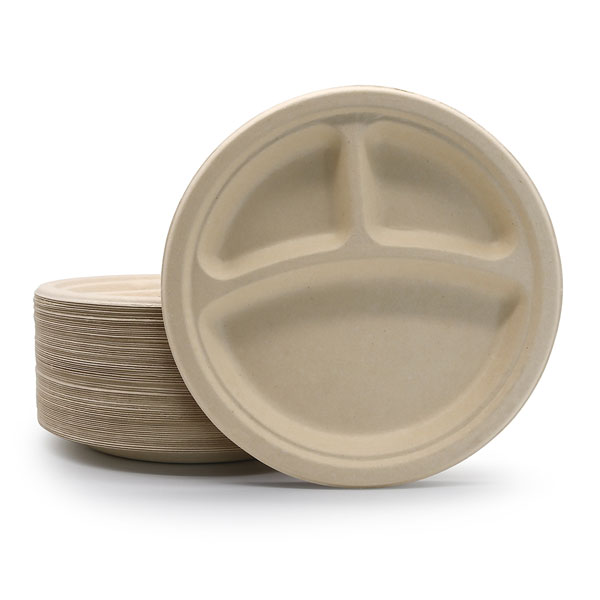
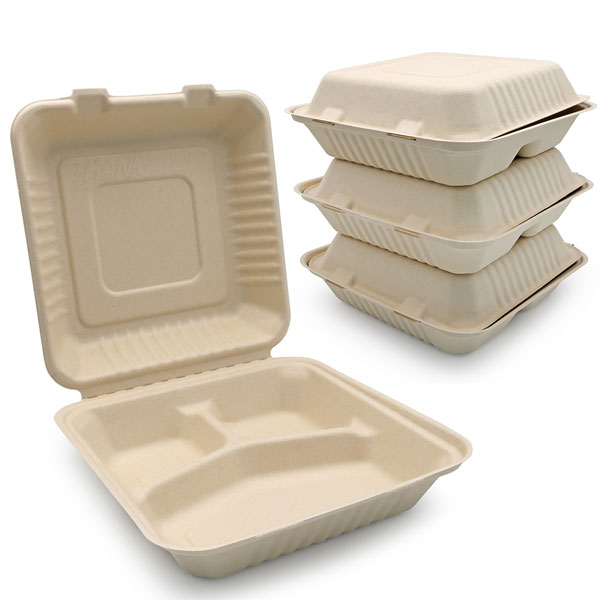
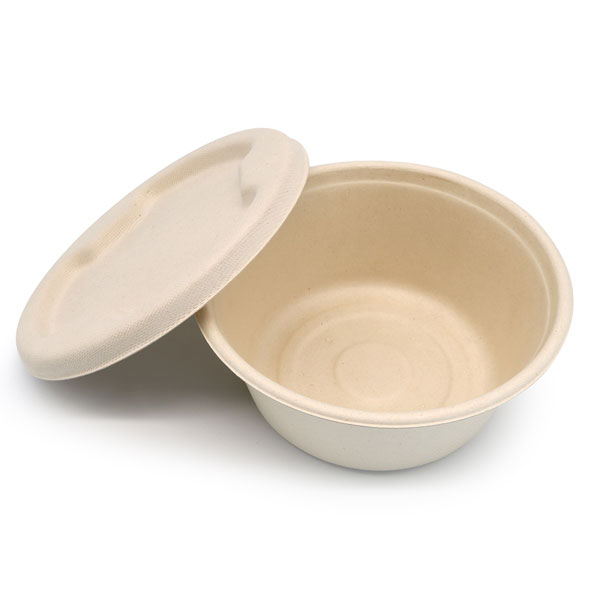
The European Union's updated Regulation (EU) No 10/2011 on plastic materials and articles intended to come into contact with food represents more than just bureaucratic fine-tuning—it's a seismic shift that's creating a 320% surge in demand for certified sugarcane bagasse packaging. For B2B businesses in the food service industry, understanding these changes isn't optional; it's a competitive necessity that separates market leaders from those facing compliance headaches.
What began as a sustainability trend has evolved into a regulatory imperative. The revised EU standards impose stricter migration limits, enhanced testing requirements, and more comprehensive documentation for all food contact materials. This regulatory tightening has exposed the limitations of traditional packaging while highlighting the advantages of certified compostable plates made from sugarcane bagasse. Unlike conventional alternatives, these plates offer built-in compliance advantages that are now translating into significant market demand.
The numbers don't lie: certification requests for sugarcane bagasse packaging have skyrocketed by 320% since the regulation amendments took full effect. This explosive growth stems from three critical factors that every B2B food service provider must understand. First, the new standards create clear differentiation between genuinely compliant materials and those that merely claim sustainability. Second, they establish a level playing field where certified compostable plates demonstrate measurable advantages in migration testing and safety documentation. Third, they respond to growing consumer and corporate demand for transparent, verifiable sustainability claims.
For businesses serving European markets or multinational clients, compliance with EU No 10/2011 isn't just about avoiding penalties—it's about accessing premium market segments. The regulation specifies exact migration limits for substances like heavy metals, primary aromatic amines, and specific monomers. Certified compostable plates manufactured from sugarcane bagasse naturally meet these stringent requirements due to their agricultural origin and controlled production processes. This inherent compliance advantage explains why forward-thinking restaurants, catering services, and food packaging distributors are rapidly transitioning to certified sugarcane solutions.
Sugarcane bagasse—the fibrous residue left after juice extraction—possesses unique properties that align perfectly with both regulatory requirements and commercial needs. As a byproduct of sugar production, it represents circular economy principles in action. When processed into compostable plates, it offers exceptional heat resistance, natural grease barriers, and microwave compatibility—all while maintaining full compliance with EU food contact standards. The material's natural composition means it inherently avoids many of the chemical migration concerns that plague petroleum-based alternatives.
Beyond regulatory compliance, certified compostable plates deliver tangible business benefits that explain their growing adoption. They enhance brand reputation among environmentally conscious consumers and corporate clients. They reduce waste management costs through industrial composting compatibility. They future-proof businesses against anticipated regulatory tightening in other markets following the EU's lead. Perhaps most importantly, they address the growing B2B demand for supply chain transparency and verifiable sustainability credentials.
Transitioning to certified compostable plates requires strategic planning but offers substantial returns. Begin with a compliance audit of current packaging against EU No 10/2011 requirements. Identify certification gaps and prioritize solutions that offer both compliance and commercial advantages. Partner with suppliers who provide comprehensive documentation, including Declaration of Compliance (DoC) statements, test reports, and certification details. Consider phased implementation, starting with high-visibility applications or premium service lines before expanding across your entire operation.
The EU's regulatory evolution represents just the beginning of a global shift toward stricter food contact material standards. Markets from North America to Asia are watching Europe's approach and developing similar frameworks. Businesses that proactively adopt certified compostable plates today aren't just solving current compliance challenges—they're positioning themselves as industry leaders for tomorrow's regulatory landscape. The 320% growth in certification demand signals that the early adopters are already moving, creating both urgency and opportunity for forward-thinking B2B enterprises.
As the regulatory environment continues to evolve, one truth remains constant: certified sugarcane bagasse compostable plates offer a rare combination of regulatory compliance, environmental responsibility, and commercial practicality. For businesses seeking to navigate the complex intersection of sustainability standards and market demands, they represent not just a packaging choice, but a strategic investment in future-ready operations.