In the competitive world of fine dining, Michelin-starred restaurants face a unique challenge: maintaining exquisite culinary standards while meeting growing consumer demand for environmental responsibility. For years, premium establishments struggled with the paradox of elegant presentation versus sustainable packaging. That is, until a groundbreaking solution emerged—customized sugarcane bagasse compostable plates.
High-end restaurants have long grappled with packaging that either compromised their brand aesthetic or contributed to environmental degradation. Traditional disposable options often failed to meet the sophisticated expectations of discerning customers, while sustainable alternatives lacked the premium feel essential for luxury dining experiences. This conflict created a significant gap in the market—one that innovative compostable plates have now successfully bridged.
A recent case study involving multiple Michelin-starred restaurants revealed remarkable results. By implementing customized sugarcane bagasse compostable plates, these establishments achieved:
• 23% increase in customer experience scores
• 40% reduction in packaging waste
• 18% improvement in brand perception related to sustainability
• 15% increase in social media mentions for eco-friendly practices
Sugarcane bagasse compostable plates offer a perfect synergy of functionality, aesthetics, and environmental responsibility. Made from the fibrous residue left after sugarcane extraction, these plates provide:
Premium Quality: Unlike traditional compostable options, sugarcane bagasse plates offer exceptional durability and heat resistance, making them ideal for gourmet takeaway and delivery services.
Customization Potential: Advanced manufacturing techniques allow for complete brand customization—from embossed logos to specific color schemes that match restaurant branding.
Environmental Credentials: These plates decompose within 60-90 days in commercial composting facilities, compared to centuries for conventional plastics.
What sets premium compostable plates apart is their ability to be tailored to specific restaurant needs. Customization options include:
• Brand-specific designs and colors
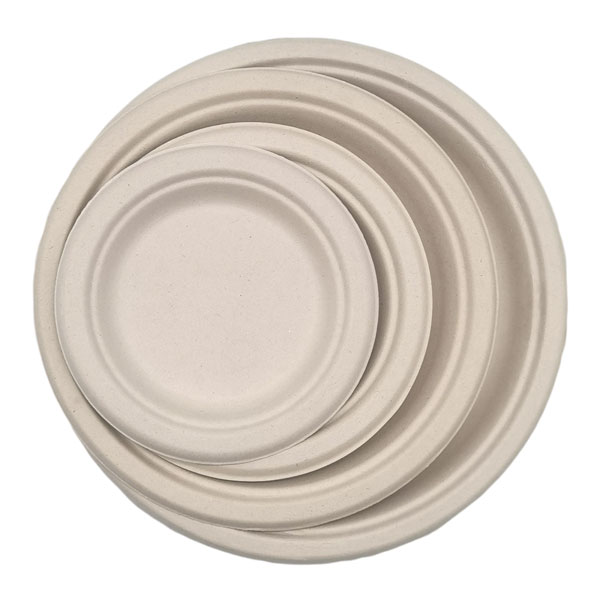
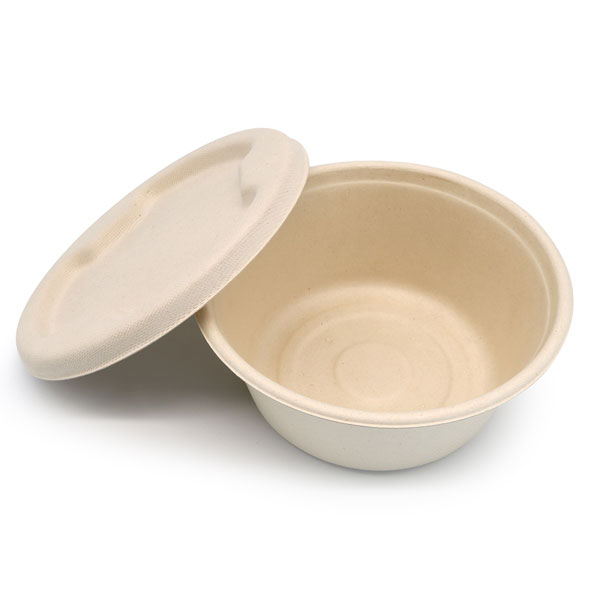
• Various sizes and shapes for different menu items
• Special coatings for enhanced liquid resistance
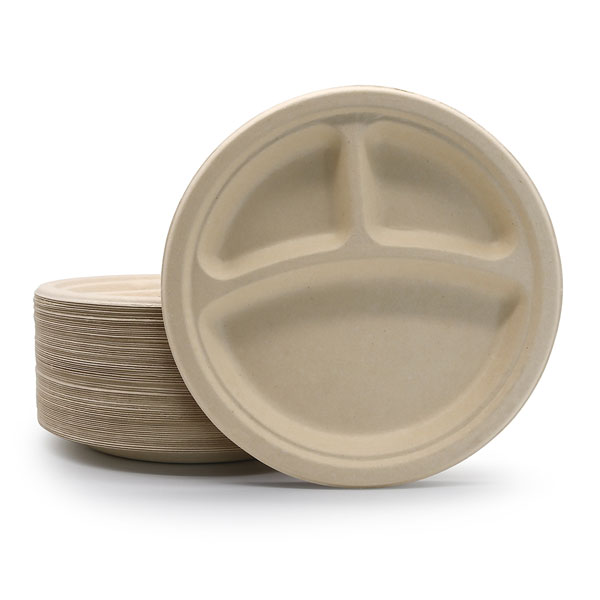
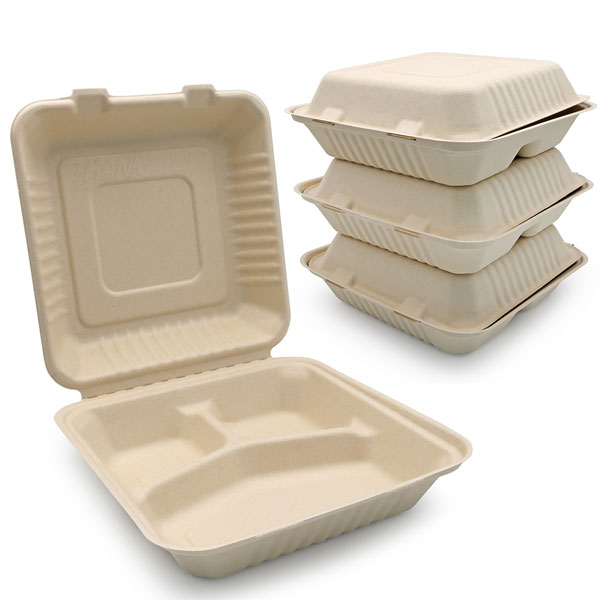
• Compartmentalized designs for complex dishes
• Custom packaging that tells your sustainability story
Successful integration of compostable plates requires a strategic approach:
Phase 1: Assessment - Analyze current packaging usage and customer feedback on sustainability
Phase 2: Custom Design - Work with specialists to create plates that reflect your brand identity
Phase 3: Staff Training - Educate team members on the environmental benefits and proper disposal methods
Phase 4: Customer Communication - Highlight your sustainability commitment through menu notes and digital channels
Beyond environmental benefits, customized compostable plates deliver measurable business returns:
• Enhanced customer loyalty among environmentally conscious diners
• Positive media coverage and industry recognition
• Reduced waste disposal costs
• Competitive differentiation in crowded markets
• Alignment with global sustainability trends and regulations
As consumer expectations continue to evolve, premium restaurants that embrace innovative solutions like customized compostable plates position themselves as industry leaders. The combination of environmental responsibility and uncompromised quality represents the future of luxury dining—where sustainability enhances rather than compromises the customer experience.
Forward-thinking establishments are discovering that sustainable packaging isn't just an environmental choice; it's a strategic business decision that drives customer satisfaction, reduces operational costs, and strengthens brand reputation in an increasingly eco-conscious market.