The corporate world is undergoing a seismic shift in packaging procurement strategies, driven by an undeniable reality: carbon neutrality is no longer an option but a business imperative. With 68% of Global Fortune 500 companies now incorporating eco-friendly packaging into their 2025 mandatory procurement criteria, organizations that fail to adapt risk falling behind in both sustainability and competitive advantage.
Recent sustainability reports reveal a startling statistic that should capture every procurement manager's attention: nearly seven out of ten Fortune 500 companies have established concrete requirements for environmentally responsible packaging by 2025. This isn't merely corporate greenwashing—it's a fundamental transformation of supply chain management. Companies like Amazon, Walmart, and Unilever are leading this charge, setting ambitious targets that ripple through their entire supplier networks.
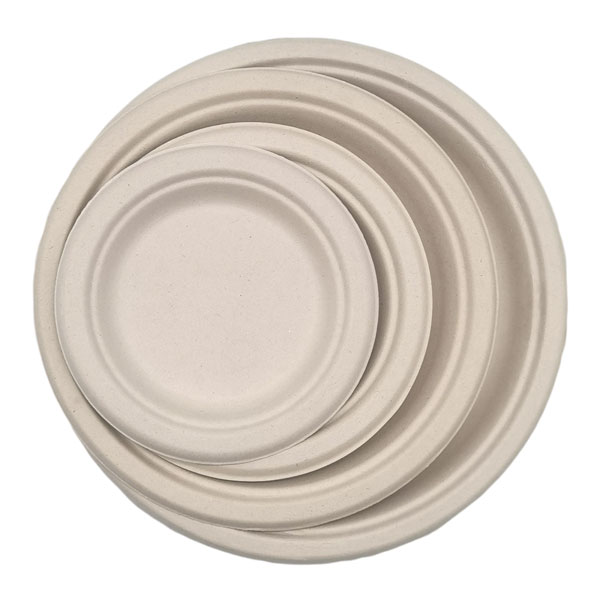
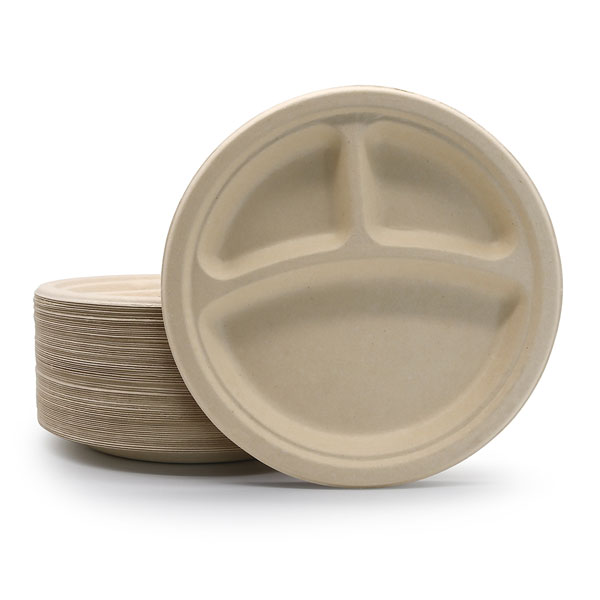
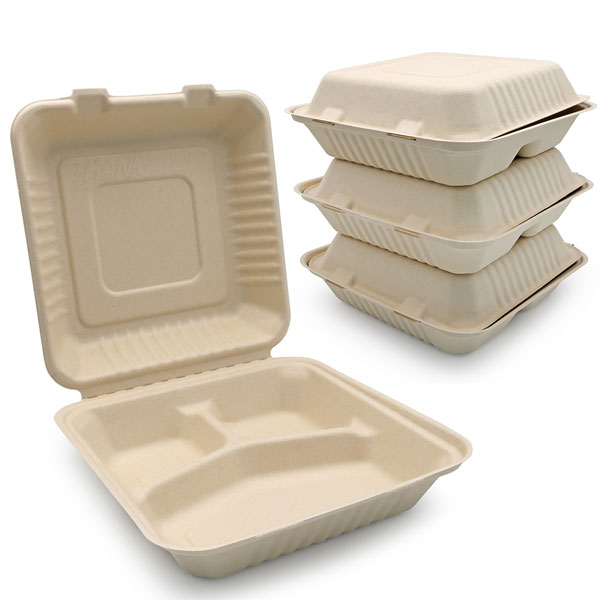
Within this packaging revolution, compostable plates are emerging as a particularly strategic solution for food service operations, corporate cafeterias, and event management. Unlike traditional plastic alternatives that merely reduce environmental impact, compostable plates offer a complete circular solution. They break down into nutrient-rich compost within commercial composting facilities, creating a closed-loop system that aligns perfectly with corporate carbon neutrality goals.
Carbon neutrality goals are driving this procurement transformation in ways many organizations are only beginning to understand. It's not just about reducing plastic waste—it's about comprehensive carbon accounting. Compostable plates, when properly sourced and disposed of, can significantly reduce an organization's Scope 3 emissions (indirect emissions in the value chain). This makes them particularly valuable for companies facing investor pressure to demonstrate measurable progress toward net-zero targets.
Forward-thinking procurement departments are recognizing that compostable plates offer multiple business advantages beyond environmental compliance:
• Brand Enhancement: Companies using sustainable packaging report up to 42% higher brand perception among environmentally conscious consumers
• Risk Mitigation: With increasing plastic regulations worldwide, compostable alternatives provide regulatory future-proofing
• Cost Optimization: While initial costs may be higher, lifecycle analysis often reveals savings through reduced waste management expenses
• Employee Engagement: 76% of employees prefer working for companies with strong environmental commitments
Transitioning to compostable plates presents specific challenges that procurement professionals must address:
1. Certification Verification: Ensuring products meet recognized standards like ASTM D6400 or EN 13432
2. Supply Chain Reliability: Establishing relationships with manufacturers who can provide consistent quality and volume
3. End-of-Life Infrastructure: Coordinating with waste management partners to ensure proper composting facilities are available
4. Performance Standards: Balancing environmental benefits with functional requirements like heat resistance and durability
Successful integration of compostable plates into corporate procurement requires a systematic approach:
Phase 1: Assessment and Benchmarking - Analyze current packaging usage and establish baseline metrics
Phase 2: Pilot Programs - Test compostable plates in controlled environments to evaluate performance and user acceptance
Phase 3: Supplier Qualification - Vet potential suppliers based on certification, manufacturing capacity, and sustainability credentials
Phase 4: Full-Scale Implementation - Develop phased rollout plans with clear KPIs and reporting mechanisms
With the 2025 deadline approaching, companies that proactively integrate compostable plates into their procurement strategies gain significant advantages. Early adopters not only position themselves as sustainability leaders but also develop valuable expertise in sustainable supply chain management. This knowledge becomes increasingly valuable as more organizations scramble to meet their carbon neutrality commitments.
The transformation is already underway. Corporate cafeterias, conference centers, and office facilities worldwide are replacing traditional disposable ware with compostable alternatives. The question is no longer whether to make this transition, but how quickly and effectively it can be accomplished.
For organizations looking to align with the 2025 eco-packaging mandate, consider these immediate actions:
• Conduct a comprehensive packaging audit to identify high-impact replacement opportunities
• Engage stakeholders across departments (sustainability, operations, finance) to build cross-functional support
• Research and qualify suppliers specializing in certified compostable plates
• Develop clear procurement criteria that balance environmental, functional, and economic considerations
• Establish measurement frameworks to track progress toward carbon reduction goals
The corporate packaging landscape is changing irrevocably. Compostable plates represent more than just an alternative product—they symbolize a fundamental shift toward circular economy principles in business operations. As 68% of the world's largest corporations commit to eco-friendly packaging by 2025, the organizations that embrace this transformation earliest will reap the greatest rewards in sustainability, brand reputation, and competitive positioning.