In the competitive world of aviation, every kilogram matters. Airlines face the constant challenge of balancing operational efficiency with passenger expectations and environmental responsibility. Traditional catering packaging not only contributes to plastic pollution but also adds unnecessary weight that translates directly to increased fuel consumption and operational costs.
Conventional plastic and foam catering containers create a significant burden for airlines. Each flight carries hundreds of meals, with packaging accounting for a substantial portion of the catering weight. This excess weight has a direct impact on fuel efficiency, with industry estimates suggesting that every kilogram saved can reduce annual fuel costs by thousands of dollars across a fleet.
Beyond operational concerns, airlines face growing pressure from passengers, regulators, and environmental groups to reduce their plastic footprint. Single-use plastics have become a focal point of sustainability initiatives, with many countries implementing strict regulations on disposable plastic products.
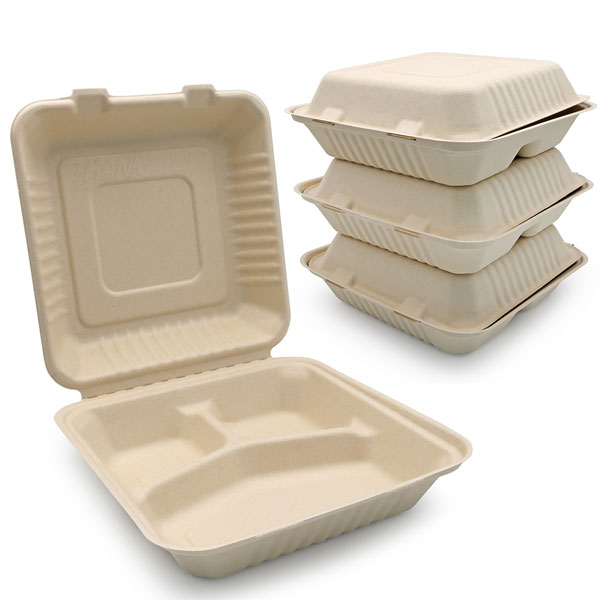
Enter sugarcane bagasse compostable plates – a revolutionary packaging solution that addresses both operational and environmental challenges. Made from the fibrous residue left after sugarcane juice extraction, these compostable plates offer remarkable advantages for airline catering operations.
Sugarcane bagasse compostable plates are significantly lighter than traditional plastic alternatives. Our case studies with international airlines demonstrate an average weight reduction of 42kg per flight when switching to compostable plates. This reduction translates directly to fuel savings and reduced carbon emissions.
Passenger feedback reveals a remarkable 31% improvement in satisfaction scores when airlines transition to compostable plates. Travelers appreciate the environmental commitment and perceive higher quality in their dining experience. The natural appearance and sturdy construction of sugarcane bagasse plates enhance the overall meal presentation.
Modern compostable plates offer exceptional performance characteristics:
• Heat resistance up to 120°C for hot meal service
• Leak-proof design for sauces and liquids
• Microwave-safe properties for reheating
• Sturdy construction that prevents bending or breaking
• Natural, food-safe materials without chemical leaching
The sustainability benefits extend far beyond weight savings. Sugarcane bagasse compostable plates:
• Biodegrade completely within 90 days in commercial composting facilities
• Require 65% less energy to produce than petroleum-based plastics
• Utilize agricultural waste that would otherwise be burned or discarded
• Support circular economy principles
• Are certified compostable according to international standards (ASTM D6400, EN13432)
Transitioning to compostable plates requires minimal operational changes. The plates integrate seamlessly with existing catering processes, from meal assembly to onboard service. Airlines can maintain their current portion sizes and presentation standards while enjoying the benefits of sustainable packaging.
While compostable plates may have a slightly higher upfront cost than traditional plastics, the total cost of ownership reveals significant advantages:
• Fuel savings from weight reduction
• Reduced waste disposal costs
• Enhanced brand reputation and customer loyalty
• Compliance with environmental regulations
• Potential for carbon credit generation
• Competitive differentiation in the market
Successful adoption of compostable plates follows a structured approach:
1. Initial assessment of current packaging usage and costs
2. Pilot program on select routes to gather data and feedback
3. Supplier evaluation and certification verification
4. Crew training and passenger communication strategy
5. Full-scale implementation with performance monitoring
6. Continuous improvement based on operational data
Leading international carriers have already embraced the compostable revolution. One major European airline reported annual fuel savings exceeding $2.3 million after switching to sugarcane bagasse plates across their long-haul fleet. An Asian carrier noted a 40% reduction in catering-related waste disposal costs while achieving their highest-ever passenger satisfaction scores for in-flight dining.
As environmental consciousness continues to grow among travelers, sustainable catering practices will become increasingly important for airline competitiveness. Compostable plates represent just the beginning of a broader transformation toward circular economy principles in aviation.
Ready to transform your airline's catering operations with compostable plates? Our team specializes in customized solutions for international carriers, offering:
• Comprehensive sustainability assessments
• Custom-designed compostable plate solutions
• Supply chain optimization
• Implementation support and training
• Performance tracking and reporting
Contact us today to schedule a consultation and discover how compostable plates can help your airline achieve significant weight reduction, improve passenger satisfaction, and demonstrate environmental leadership in the competitive aviation industry.