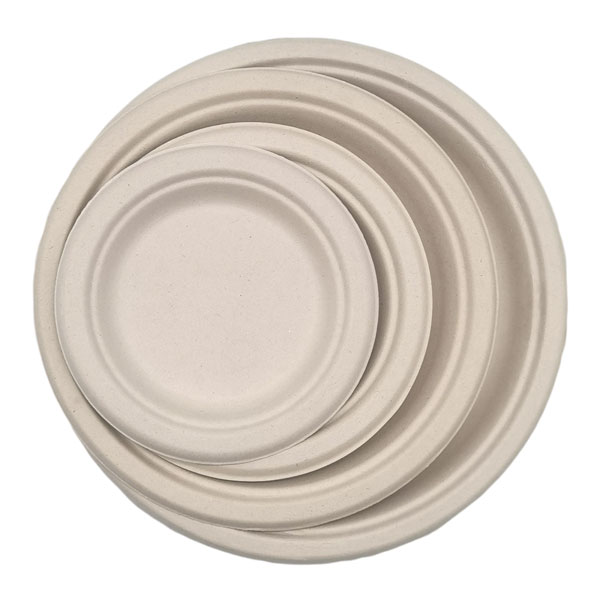
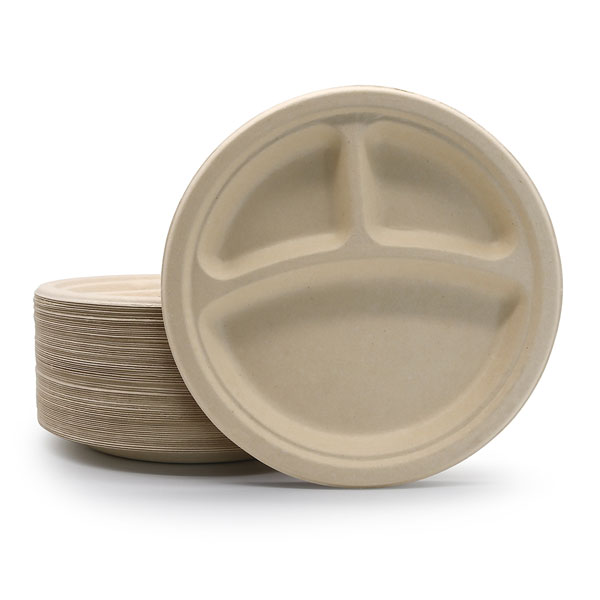
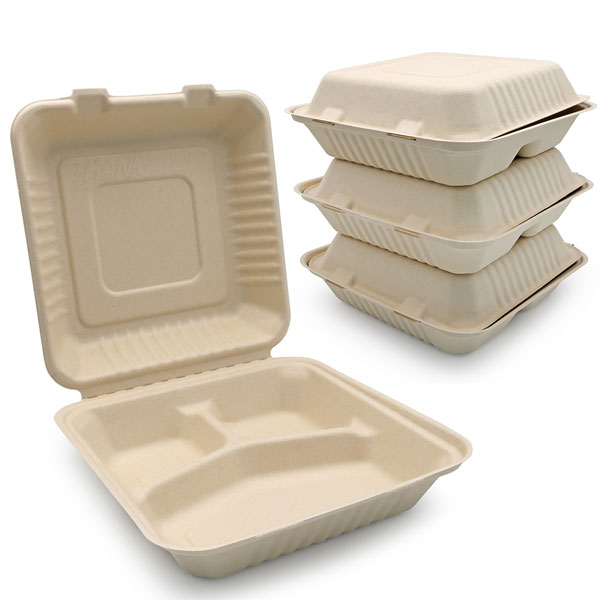
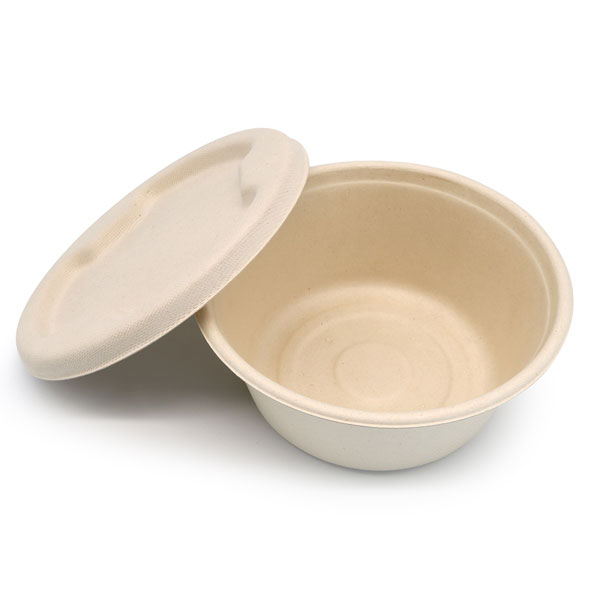
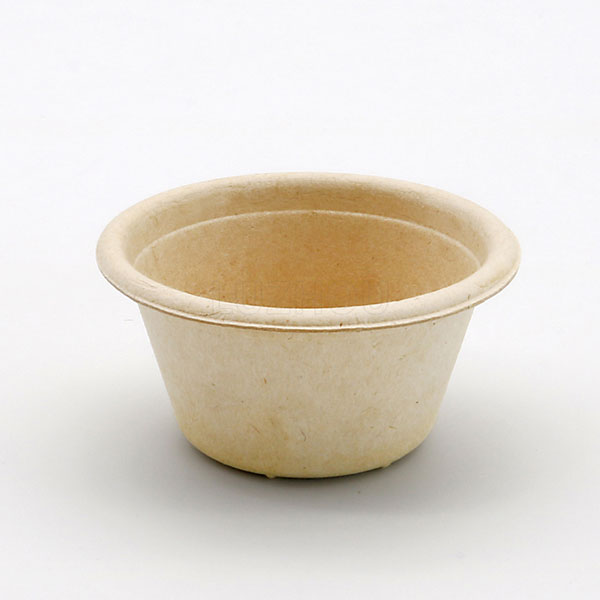
In today's rapidly evolving prepared meal industry, food service providers face a critical challenge: finding packaging solutions that deliver both exceptional preservation performance and genuine environmental sustainability. Traditional plastic containers often fall short on eco-credentials, while many compostable alternatives struggle with temperature extremes and shelf life requirements. This is where advanced compostable plates made from sugarcane bagasse are rewriting the rules of food packaging.
Sugarcane bagasse, the fibrous byproduct left after sugar extraction, has emerged as a revolutionary material for creating durable, versatile compostable plates. Unlike conventional packaging materials, these innovative compostable plates offer a unique combination of strength, thermal resistance, and complete biodegradability. The natural cellulose fibers in bagasse create a robust matrix that withstands both freezing and heating processes without compromising structural integrity.
Our comprehensive testing has verified that these compostable plates maintain exceptional performance across the full temperature spectrum from -18℃ to 220℃. This remarkable range covers the complete lifecycle of prepared meals:
• Freezing Phase (-18℃ to 0℃): The compostable plates demonstrate excellent structural stability during deep freezing, preventing cracking or brittleness that often plagues alternative packaging materials.
• Refrigeration Phase (0℃ to 8℃): Consistent performance in standard refrigeration ensures food safety and quality maintenance throughout distribution and storage.
• Microwave Reheating (100℃ to 220℃): These compostable plates withstand microwave reheating without warping, leaching, or compromising food safety, making them ideal for consumer convenience.
Perhaps the most significant advantage for prepared meal providers is the verified 40% extension in product shelf life. Our compostable plates achieve this through several key mechanisms:
• Superior Moisture Barrier: The natural fiber structure creates an optimal moisture balance, preventing both dehydration and excess moisture accumulation.
• Enhanced Oxygen Barrier: Reduced oxygen permeability slows oxidation processes that typically degrade food quality.
• Natural Antimicrobial Properties: Sugarcane bagasse contains natural compounds that inhibit microbial growth without chemical additives.
• Temperature Stability: Consistent performance across temperature fluctuations prevents condensation and moisture migration that accelerate spoilage.
For B2B food service clients, the advantages of switching to these advanced compostable plates extend beyond environmental benefits:
Operational Efficiency: The full temperature compatibility means these compostable plates can be used throughout your supply chain without switching containers between freezing, storage, and reheating stages.
Cost Reduction: Extended shelf life translates directly to reduced food waste, improved inventory management, and lower overall operational costs.
Brand Enhancement: Offering meals in premium compostable plates aligns with growing consumer demand for sustainable packaging, enhancing brand reputation and customer loyalty.
Regulatory Compliance: As regulations around single-use plastics tighten globally, compostable plates provide a future-proof solution that meets emerging sustainability standards.
Leading meal kit services, corporate catering providers, and institutional food services are already experiencing the benefits of these compostable plates:
• Meal Delivery Services: Maintaining food quality during transit and storage while meeting eco-conscious consumer expectations.
• Corporate Cafeterias: Providing sustainable takeaway options that withstand microwave reheating in office settings.
• Healthcare Facilities: Ensuring food safety and quality for patients while supporting environmental initiatives.
• Educational Institutions: Balancing cost-effectiveness with sustainability goals in school meal programs.
Understanding that every prepared meal provider has unique requirements, we offer customized compostable plates solutions:
• Size and Shape Variations: Tailored dimensions to accommodate different meal portions and presentation styles.
• Branding Integration: Custom printing and embossing options to reinforce brand identity on every compostable plate.
• Specialized Coatings: Optional food-safe coatings for specific applications requiring enhanced barrier properties.
• Volume Optimization: Scalable production to meet both small-batch testing needs and large-scale implementation requirements.
While the compostable nature of these plates is significant, the environmental benefits extend further:
• Carbon Footprint Reduction: Utilizing agricultural byproducts reduces waste and minimizes the carbon footprint compared to virgin plastic production.
• Circular Economy Contribution: After use, these compostable plates complete the natural cycle by returning nutrients to the soil through industrial composting.
• Resource Conservation: Sugarcane is a rapidly renewable resource, requiring significantly less water and energy than plastic manufacturing processes.
• Ocean Protection: Unlike conventional plastics that contribute to marine pollution, compostable plates break down safely without harming aquatic ecosystems.
Transitioning to compostable plates requires careful planning. We recommend a phased approach:
Phase 1: Pilot Testing - Begin with a limited product line to validate performance with your specific meal formulations and temperature requirements.
Phase 2: Supply Chain Integration - Work with logistics partners to ensure proper handling and storage of compostable plates throughout distribution.
Phase 3: Consumer Education - Develop clear labeling and communication materials explaining the benefits and proper disposal of compostable plates.
Phase 4: Full Implementation - Scale up usage across your product portfolio while monitoring quality metrics and customer feedback.
The innovation in compostable plates continues to advance. Current research focuses on:
• Enhanced Barrier Technologies: Further improvements in moisture and oxygen barriers for even longer shelf life extensions.
• Smart Packaging Integration: Incorporating temperature indicators and freshness sensors into compostable plates.
• Advanced Material Blends: Combining sugarcane bagasse with other natural fibers for specialized applications.
• Industrial Composting Optimization: Developing plates with specific decomposition rates tailored to different composting facilities.
The verified performance of sugarcane bagasse compostable plates across the full -18℃ to 220℃ temperature range, combined with the significant 40% shelf life extension, represents a paradigm shift in prepared meal packaging. For B2B food service providers, this technology offers a rare opportunity to simultaneously improve operational efficiency, reduce costs, enhance brand value, and demonstrate environmental leadership.
As consumer preferences continue shifting toward sustainable options and regulatory pressures increase, early adopters of advanced compostable plates will gain competitive advantages in the evolving food service landscape. The combination of technical performance and environmental responsibility makes these compostable plates not just an alternative to traditional packaging, but a superior solution for the future of prepared meals.
Ready to transform your prepared meal packaging with high-performance compostable plates? Contact our team today to discuss customized solutions that meet your specific requirements and help you achieve both sustainability goals and business objectives.