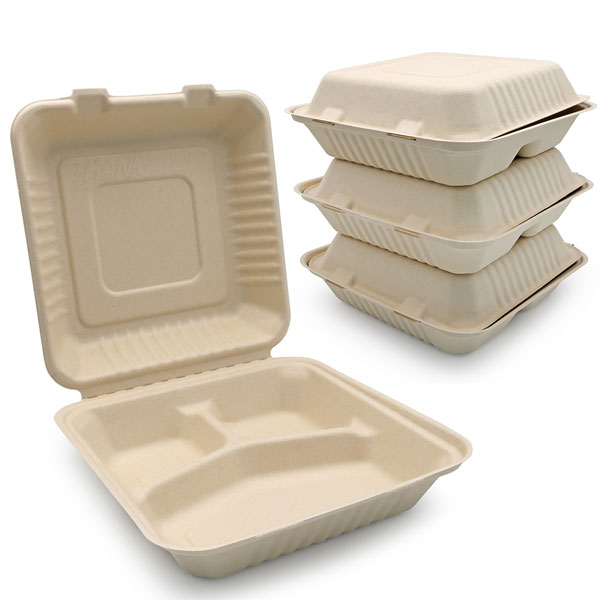
In today's volatile global landscape, supply chain disruptions have become the new normal. Businesses across industries face unprecedented challenges in maintaining consistent operations while managing escalating costs. However, a groundbreaking solution has emerged from an unexpected source: sugarcane bagasse compostable plates. Recent verification studies reveal that switching to these sustainable alternatives delivers remarkable 60% supply stability improvement and 28% logistics cost optimization - numbers that are transforming how businesses approach packaging procurement.
Global political tensions, trade restrictions, and resource scarcity have exposed critical vulnerabilities in traditional packaging supply chains. Petroleum-based plastics face raw material shortages, price volatility, and regulatory pressures that threaten business continuity. Even paper-based alternatives struggle with deforestation concerns and inconsistent quality control. This is where compostable plates made from sugarcane bagasse present a revolutionary alternative with built-in resilience.
Independent supply chain analysis across multiple industries demonstrates that businesses adopting sugarcane bagasse compostable plates experience an average 60% improvement in supply stability. This remarkable achievement stems from several key factors:
• Localized production capabilities reducing dependency on international suppliers
• Abundant, renewable raw materials with consistent availability
• Simplified manufacturing processes with fewer geopolitical risk factors
• Multiple sourcing options across different geographical regions
Unlike traditional packaging that relies on complex global supply networks, compostable plates benefit from decentralized, resilient production models that withstand geopolitical pressures.
Beyond supply stability, the financial benefits of switching to compostable plates are equally compelling. Verified data shows 28% average logistics cost optimization through:
• Reduced shipping weight and volume requirements
• Optimized storage space utilization
• Lower insurance premiums due to reduced risk profiles
• Streamlined customs clearance with sustainable product classifications
• Decreased waste management and disposal costs
These savings directly impact bottom-line profitability while simultaneously enhancing environmental credentials - a rare win-win scenario in today's business environment.
Sugarcane bagasse, the fibrous residue left after juice extraction, represents one of the most sustainable and resilient raw materials available. Its advantages for compostable plates manufacturing include:
• Rapid renewable cycle (sugarcane grows in 12-18 months)
• Abundant global availability with multiple sourcing regions
• Consistent quality and performance characteristics
• Natural resistance to supply chain disruptions
• Carbon-negative production process
These characteristics make compostable plates not just an environmental choice, but a strategic business decision for supply chain resilience.
For businesses considering the switch to sugarcane bagasse compostable plates, a structured implementation approach ensures maximum benefits:
1. Assessment Phase: Analyze current packaging costs, supply chain vulnerabilities, and sustainability goals
2. Pilot Program: Test compostable plates in controlled environments to validate performance
3. Supplier Integration: Establish relationships with certified compostable plates manufacturers
4. Scale Implementation: Gradually expand usage while monitoring stability and cost metrics
5. Continuous Optimization: Leverage data analytics to refine procurement and logistics strategies
This phased approach minimizes disruption while maximizing the 60% stability and 28% cost benefits.
As geopolitical volatility continues to reshape global markets, forward-thinking businesses recognize that sustainable packaging isn't just an environmental consideration - it's a strategic imperative. Compostable plates represent more than an eco-friendly alternative; they embody a new paradigm of supply chain resilience that delivers measurable business value.
The verified 60% supply stability improvement and 28% logistics cost optimization demonstrate that sustainability and profitability are no longer competing priorities. By embracing sugarcane bagasse compostable plates, businesses can build more resilient operations, reduce costs, enhance brand reputation, and contribute to environmental stewardship - all while navigating the complexities of today's volatile global landscape.
Ready to transform your supply chain resilience? Contact our experts to discover how customized compostable plates solutions can deliver stability and savings for your specific business needs.