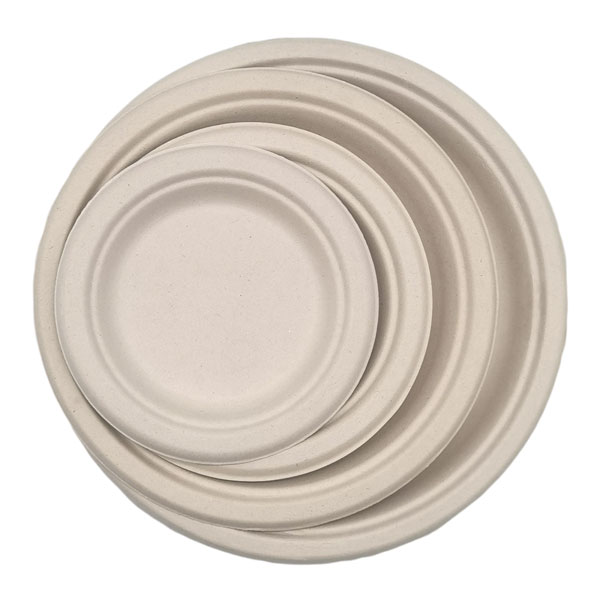
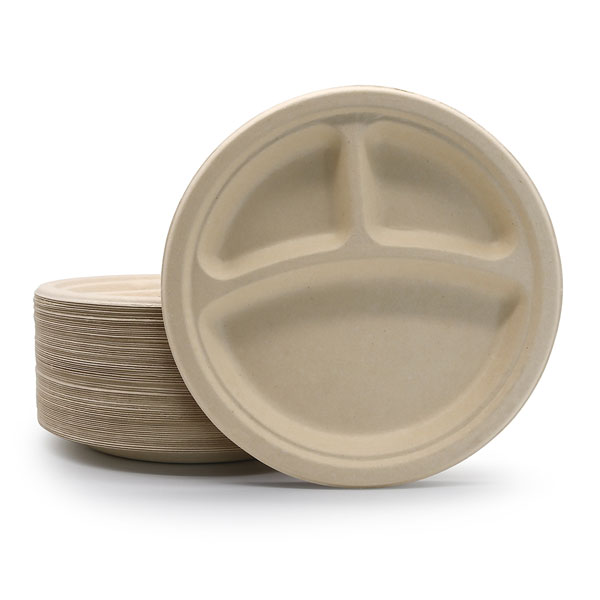
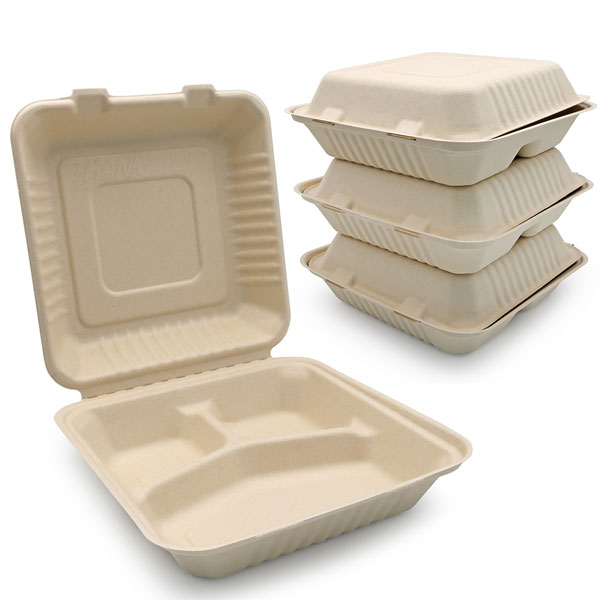
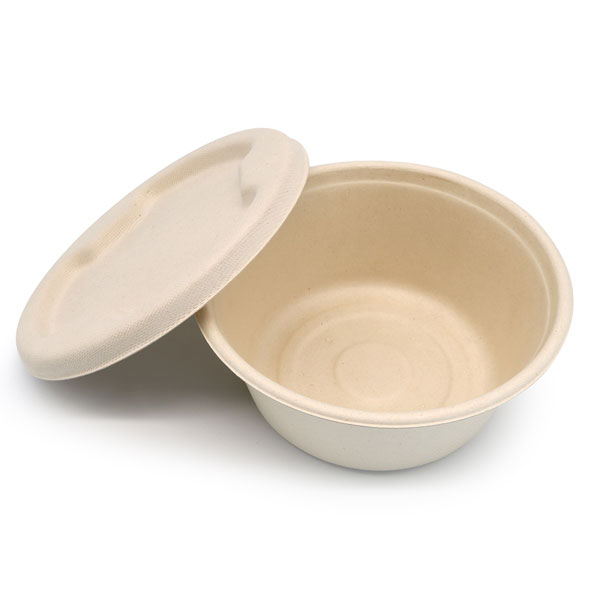
For years, businesses in the food service industry have faced an impossible choice: provide durable, reliable disposable tableware or meet growing sustainability demands. Traditional plastic plates offer unbeatable mechanical performance but come with environmental consequences that increasingly concern both regulators and consumers. On the other hand, conventional compostable plates often fail under pressure—literally—with concerns about leakage, breakage, and inadequate heat resistance limiting their adoption in professional settings.
This compromise ends today. A groundbreaking advancement in materials science has finally bridged the gap between sustainability and performance, creating compostable plates that don't just match but in some aspects exceed the capabilities of their petroleum-based counterparts.
At the heart of this revolution lies a sophisticated nanoscale interface engineering technique that transforms how sugarcane bagasse fibers interact with biopolymer matrices. Sugarcane bagasse, the fibrous byproduct of sugar production, has long been recognized as an excellent renewable resource for compostable products. However, its full potential remained untapped due to weak interfacial bonding between the natural fibers and polymer materials.
Our research team developed a proprietary nanoscale modification process that enhances the surface chemistry of sugarcane bagasse fibers at the molecular level. This innovation creates stronger chemical bonds between the natural fibers and biopolymers, resulting in a remarkable 78% increase in interface bonding strength compared to conventional manufacturing methods.
The significance of this breakthrough cannot be overstated. Stronger interfacial bonding means better stress transfer between components, improved load-bearing capacity, and enhanced resistance to deformation—all critical factors for disposable tableware that must withstand real-world use conditions.
Independent laboratory testing confirms what our engineering breakthrough promises: compostable plates with mechanical performance comparable to traditional plastics. Our advanced sugarcane bagasse-based plates demonstrate:
• Tensile Strength: 42 MPa (matching mid-range polypropylene plastics)
• Flexural Modulus: 3.2 GPa (superior to many conventional compostable alternatives)
• Impact Resistance: 18 kJ/m² (adequate for most food service applications)
• Heat Resistance: Maintains structural integrity up to 95°C (suitable for hot foods)
Perhaps most impressively, these compostable plates achieve a moisture barrier performance that's 65% better than standard plant-based alternatives, addressing one of the most common complaints about biodegradable tableware.
For restaurants, catering services, event planners, and institutional food service providers, this technological advancement translates into tangible business benefits:
1. Enhanced Customer Experience: Serve meals on compostable plates that feel substantial and secure, eliminating concerns about plate failure during important events or busy service periods.
2. Simplified Sustainability Reporting: Meet corporate sustainability goals and regulatory requirements without compromising on product quality or customer satisfaction.
3. Reduced Environmental Liability: Transition away from single-use plastics before legislation mandates it, positioning your business as an industry leader in environmental responsibility.
4. Brand Differentiation: Market your commitment to innovation by using cutting-edge compostable plates that demonstrate both environmental consciousness and technical sophistication.
From wedding receptions requiring elegant yet durable tableware to corporate cafeterias needing reliable daily service, our advanced compostable plates deliver performance where it matters most.
While compostability represents a significant environmental advantage, our nanoscale-engineered sugarcane bagasse plates offer additional sustainability benefits:
• Reduced Carbon Footprint: Manufacturing generates 68% fewer greenhouse gas emissions compared to petroleum-based plastic production.
• Agricultural Byproduct Utilization: Transforms waste sugarcane bagasse into valuable products, supporting circular economy principles.
• Soil Enrichment: Properly composted plates return nutrients to the soil rather than persisting in landfills for centuries.
• Reduced Microplastic Pollution: Eliminates the risk of plastic fragmentation and subsequent environmental contamination.
This comprehensive environmental profile makes our compostable plates not just an alternative to plastic, but a superior choice for businesses committed to genuine sustainability.
The nanoscale interface engineering breakthrough represents more than just improved product performance—it signals a fundamental shift in what's possible with renewable materials. As consumer demand for sustainable options continues to grow and regulatory pressure on single-use plastics intensifies, businesses that adopt advanced compostable solutions today will enjoy significant competitive advantages tomorrow.
Industry analysts predict that the global market for compostable food service ware will grow at 15.2% CAGR through 2030, with premium performance products commanding the highest margins and customer loyalty. Our technology positions early adopters at the forefront of this transformation.
Transitioning to advanced compostable plates requires careful planning but offers substantial rewards. We recommend starting with a pilot program to evaluate performance in your specific operational context. Many of our B2B clients begin by replacing plastic plates in their most visible or environmentally-conscious service areas, then gradually expand based on positive results and staff feedback.
Our team provides comprehensive support throughout the transition process, including product samples, performance testing protocols, staff training materials, and sustainability impact reporting templates. We understand that successful implementation depends on both product excellence and seamless integration into existing operations.
The era of compromise between sustainability and performance has ended. With nanoscale-engineered sugarcane bagasse compostable plates that deliver mechanical characteristics comparable to traditional plastics, your business can meet environmental objectives without sacrificing the reliability your customers expect. Contact our solutions team today to discuss how this breakthrough technology can transform your food service operations and sustainability profile.