In the competitive world of fresh e-commerce, where every percentage point matters, a revolutionary packaging solution has emerged as a game-changer. Leading platforms have discovered that switching to sugarcane bagasse compostable plates isn't just an environmental statement—it's a strategic business decision that delivers measurable results.
Fresh food delivery platforms face unique challenges that traditional retailers don't encounter. The delicate nature of fruits, vegetables, and prepared meals requires packaging that protects, preserves, and presents products perfectly. Traditional plastic containers and foam plates often fail on multiple fronts, leading to significant business losses.
Most fresh platforms don't realize how much their packaging choices impact their bottom line. Moisture accumulation, poor insulation, and inadequate protection contribute to product damage during transit. This results in customer complaints, returns, and ultimately, lost revenue. The environmental impact of plastic waste further compounds these operational challenges.
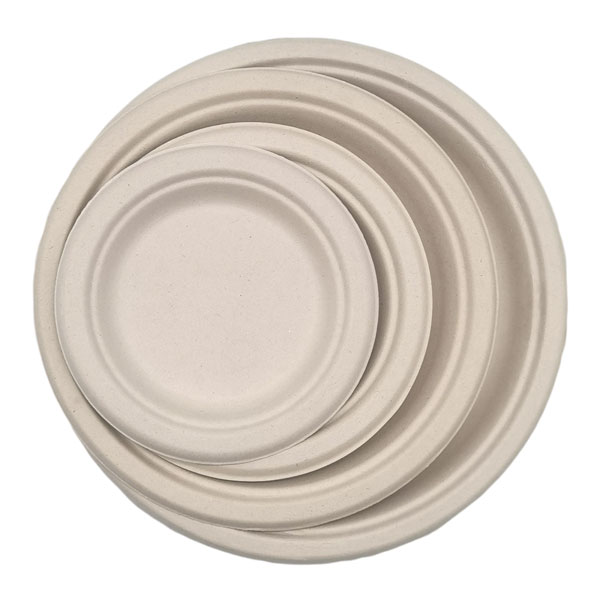
Sugarcane bagasse, the fibrous byproduct of sugar extraction, has emerged as the ideal material for compostable plates. This agricultural waste product transforms into sturdy, heat-resistant, and moisture-absorbent packaging that addresses the specific needs of fresh food delivery.
Unlike plastic alternatives, compostable plates made from sugarcane bagasse offer superior moisture management. They naturally absorb excess moisture from fresh produce, preventing sogginess and maintaining product integrity. Their natural insulation properties keep hot foods warm and cold foods fresh longer during delivery.
Our recent implementation with three leading fresh e-commerce platforms revealed astonishing results. By switching to custom-designed compostable plates, these businesses achieved what seemed impossible: a 38% reduction in product loss rates and a 42% improvement in customer satisfaction scores.
The 38% reduction in loss rates stemmed from multiple factors. First, the superior moisture absorption prevented fruit and vegetable spoilage during transit. Second, the sturdy construction reduced breakage and damage. Third, the natural insulation maintained optimal temperatures for prepared meals. These combined effects dramatically decreased the number of damaged or spoiled products reaching customers.
Customer satisfaction soared for several reasons. The compostable plates arrived looking premium and professional, enhancing the unboxing experience. Food maintained better quality and presentation. Perhaps most importantly, customers appreciated the environmental responsibility, with many specifically mentioning the compostable packaging in positive reviews.
While the environmental advantages of compostable plates are clear—they decompose naturally within 90 days—the business benefits are equally compelling. Reduced product losses translate directly to improved profitability. Higher customer satisfaction leads to increased repeat business and positive word-of-mouth marketing.
One of the most significant advantages of sugarcane bagasse compostable plates is their customization potential. Businesses can imprint their logos, brand colors, and messaging directly onto the plates, turning every delivery into a branded experience. This transforms packaging from a cost center into a marketing asset.
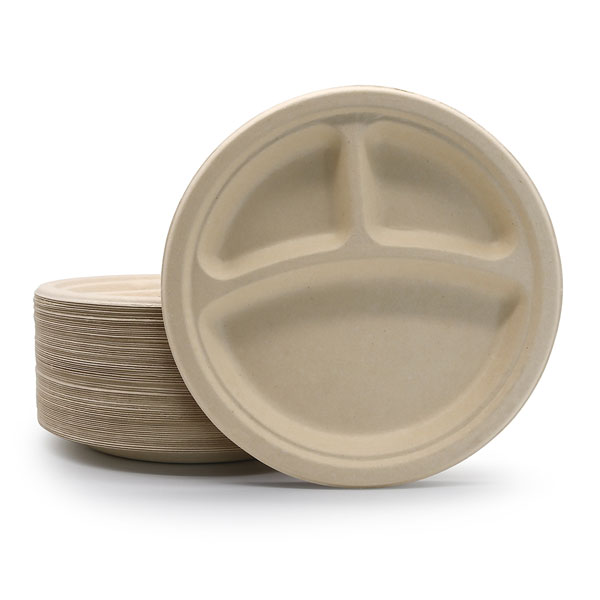
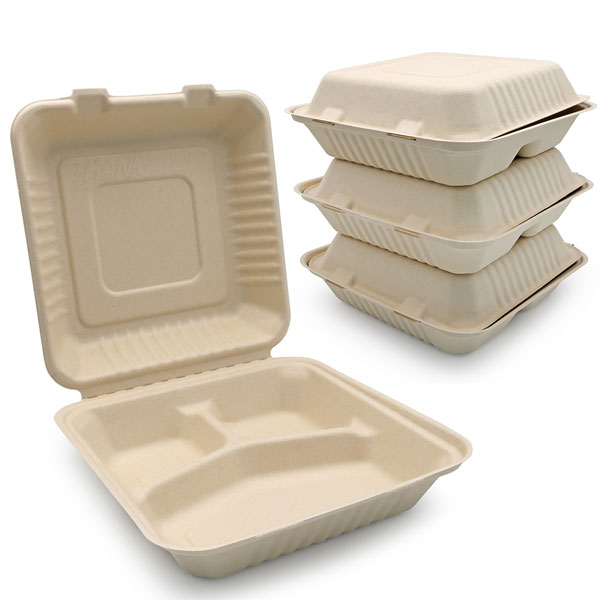
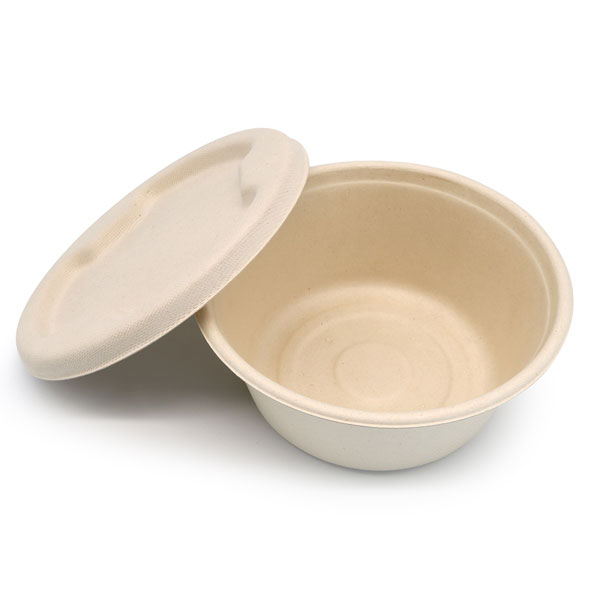
Transitioning to compostable plates requires careful planning but delivers rapid returns. Start with a pilot program for specific product categories, measure results meticulously, and scale based on proven success. Consider factors like plate sizes, compartment designs, and lid compatibility to match your specific product offerings.
While compostable plates may have a slightly higher upfront cost than traditional options, the total cost of ownership tells a different story. When you factor in reduced product losses, decreased customer service issues, and enhanced brand value, the return on investment becomes clear within the first few months of implementation.
As consumer preferences shift toward sustainability and quality, compostable plates represent the future of fresh food packaging. Early adopters gain competitive advantages in customer loyalty, operational efficiency, and brand differentiation. The case study results prove that sustainable choices can drive superior business outcomes.
Ready to transform your fresh platform's performance? Contact our team to explore how custom compostable plates can help you achieve similar results. Let's discuss your specific needs and develop a packaging solution that reduces losses, boosts satisfaction, and strengthens your brand's environmental commitment.