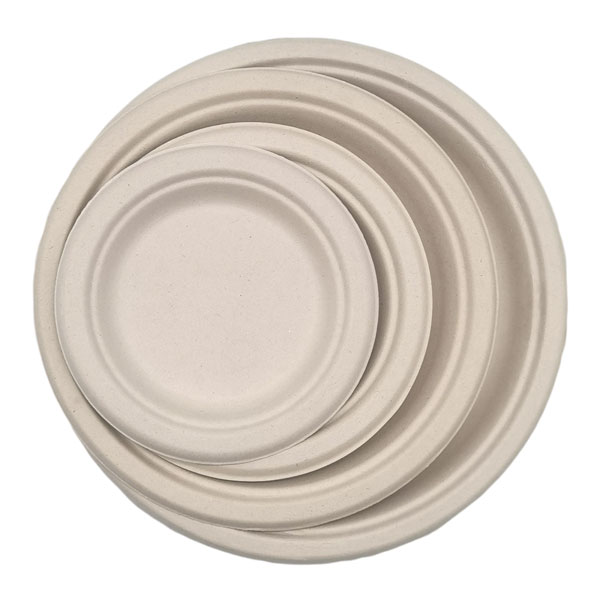
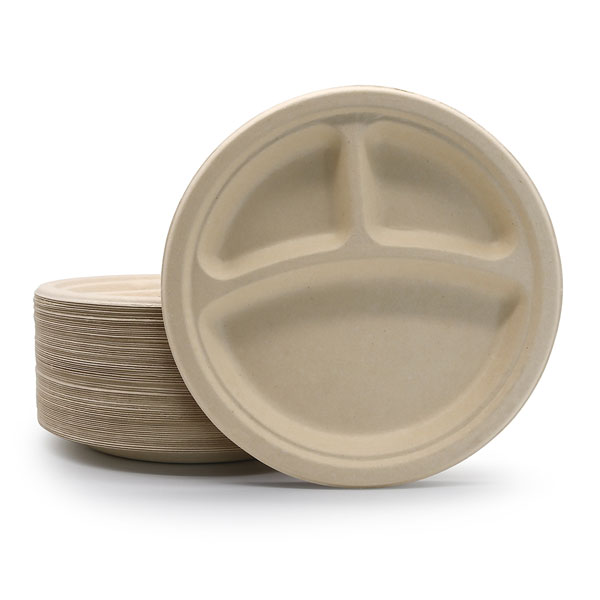
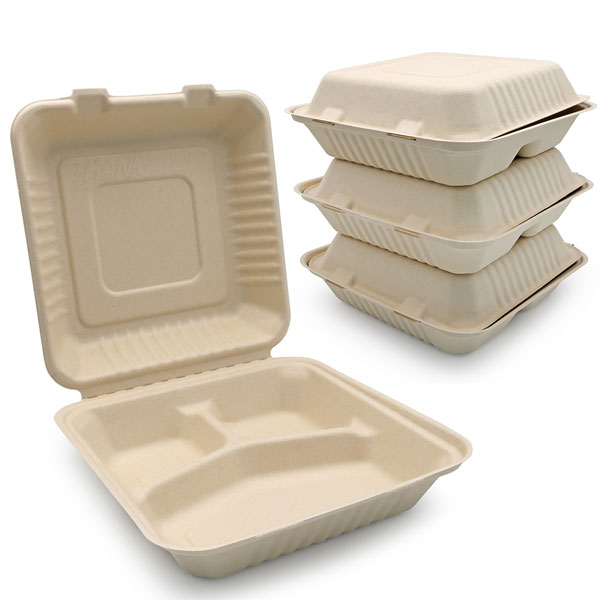
The global war on plastic pollution has reached a critical tipping point. With 78 countries implementing plastic restriction policies by 2025, businesses worldwide are facing unprecedented regulatory pressure to find sustainable alternatives. This seismic shift isn't just about environmental responsibility—it's about survival in a rapidly changing market landscape.
From the European Union's Single-Use Plastics Directive to Canada's comprehensive plastic ban, governments are taking decisive action. The United Nations Environment Programme reports that 78 nations have committed to plastic restriction policies by 2025, creating a domino effect that will reshape global supply chains. For food service businesses, restaurants, and catering companies, this means traditional plastic plates and utensils will soon become obsolete—or illegal.
• European Union: Complete ban on single-use plastics by 2021, with extended producer responsibility requirements
• Canada: Prohibition of six single-use plastic items including cutlery and food service ware
• United Kingdom: Plastic packaging tax and extended producer responsibility scheme
• Australia: National plastics plan targeting problematic plastics by 2025
• India: Phase-out of single-use plastics in a phased manner
Market research indicates that the sugarcane bagasse packaging market is poised for explosive growth—projected to increase by 400% in the next three years. This isn't just a niche trend; it's becoming the new standard for sustainable food service packaging. Sugarcane bagasse, the fibrous residue left after extracting juice from sugarcane, offers a perfect circular economy solution: it's agricultural waste turned into valuable, compostable packaging.
When comparing sustainable alternatives, compostable plates made from sugarcane bagasse offer distinct advantages over other options:
• Superior Environmental Credentials: Unlike biodegradable plastics that may leave microplastics, truly compostable plates break down completely into nutrient-rich compost within 90-180 days in industrial composting facilities.
• Performance That Matches Plastic: Modern compostable plates offer excellent heat resistance, leak-proof properties, and durability comparable to traditional plastic alternatives.
• Cost Competitiveness: As production scales up and plastic faces increasing taxes and restrictions, compostable plates are becoming increasingly cost-competitive.
• Brand Enhancement: Using compostable plates communicates environmental commitment to increasingly eco-conscious consumers.
For B2B clients, custom compostable plates offer more than just regulatory compliance—they provide branding opportunities and market differentiation. Custom printing, unique shapes, and tailored designs allow businesses to:
• Reinforce brand identity through sustainable packaging
• Communicate environmental values directly to customers
• Create memorable dining experiences that align with modern consumer values
• Build customer loyalty among environmentally conscious demographics
Transitioning to compostable plates requires strategic planning. Here's a roadmap for businesses preparing for the plastic-free future:
1. Conduct a Plastic Audit: Identify all single-use plastic items in your current operations, with particular attention to plates and food service ware.
2. Evaluate Composting Infrastructure: Assess local composting capabilities to ensure your compostable plates can complete their lifecycle properly.
3. Partner with Specialized Suppliers: Work with experienced providers who understand both the technical requirements of compostable materials and the regulatory landscape.
4. Educate Staff and Customers: Clear communication about your switch to compostable plates enhances brand perception and ensures proper disposal.
5. Monitor Regulatory Developments: Stay informed about evolving plastic restriction policies in your operating regions.
While regulatory deadlines provide urgency, forward-thinking businesses are recognizing additional benefits to early adoption of compostable plates:
• Supply Chain Security: As demand surges, early adopters secure reliable supply chains before potential shortages.
• Cost Savings: Avoiding last-minute transitions and potential non-compliance penalties.
• Market Leadership Positioning your brand as an environmental pioneer in your industry.
• Future-Proofing: Building resilience against increasingly stringent environmental regulations.
The convergence of regulatory pressure, consumer demand, and technological advancement has created a perfect storm for compostable plates. With 78 countries implementing plastic restriction policies by 2025, businesses that proactively adopt sugarcane bagasse solutions will not only comply with regulations but also capture market share in the growing sustainable packaging sector. The 400% projected growth in sugarcane bagasse packaging represents more than just a market trend—it signals a fundamental transformation in how businesses approach packaging and sustainability.
As plastic bans accelerate globally, compostable plates are transitioning from optional sustainability initiatives to essential business tools. The question is no longer whether to make the switch, but how quickly and effectively your business can implement this necessary transformation.